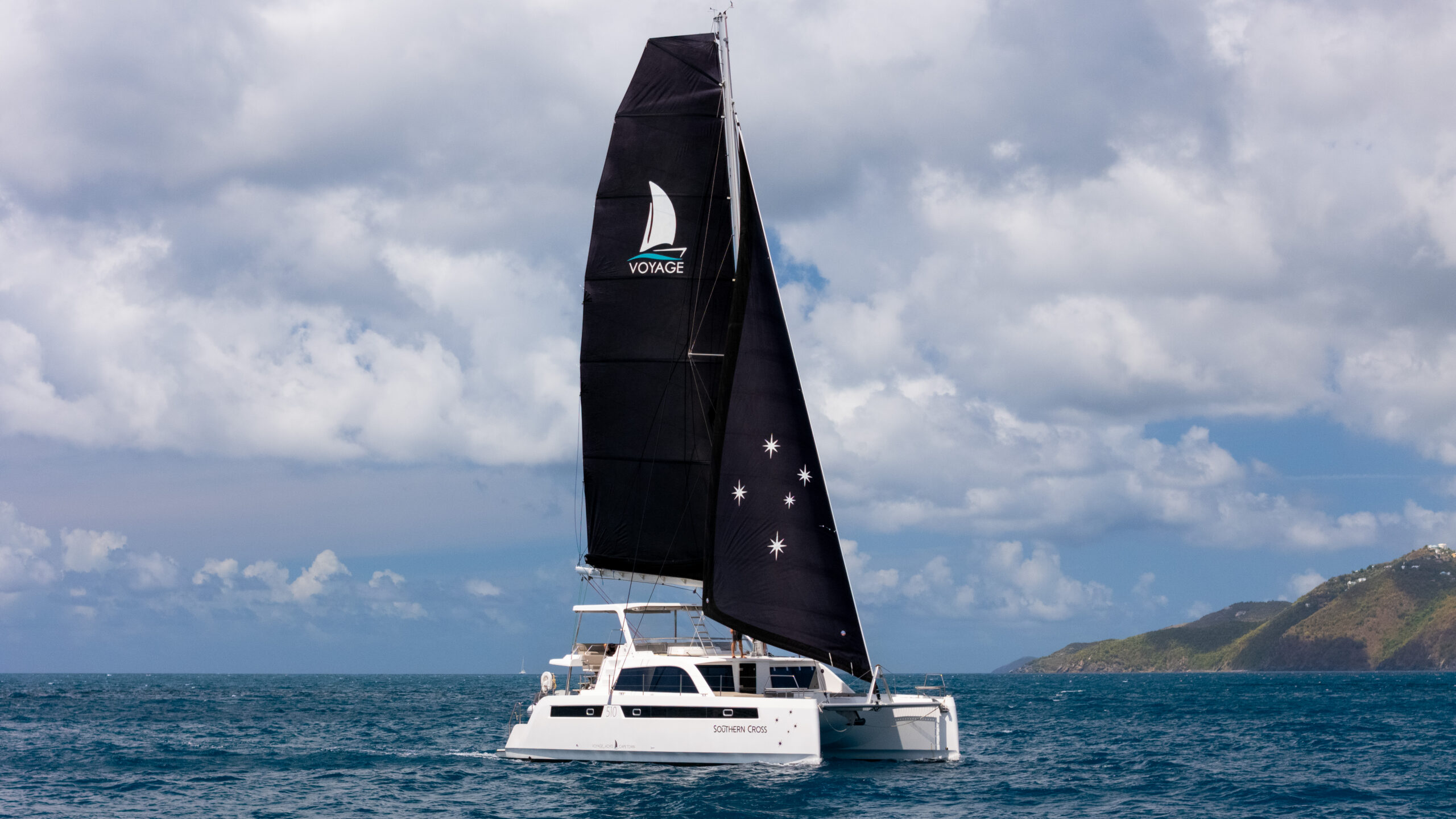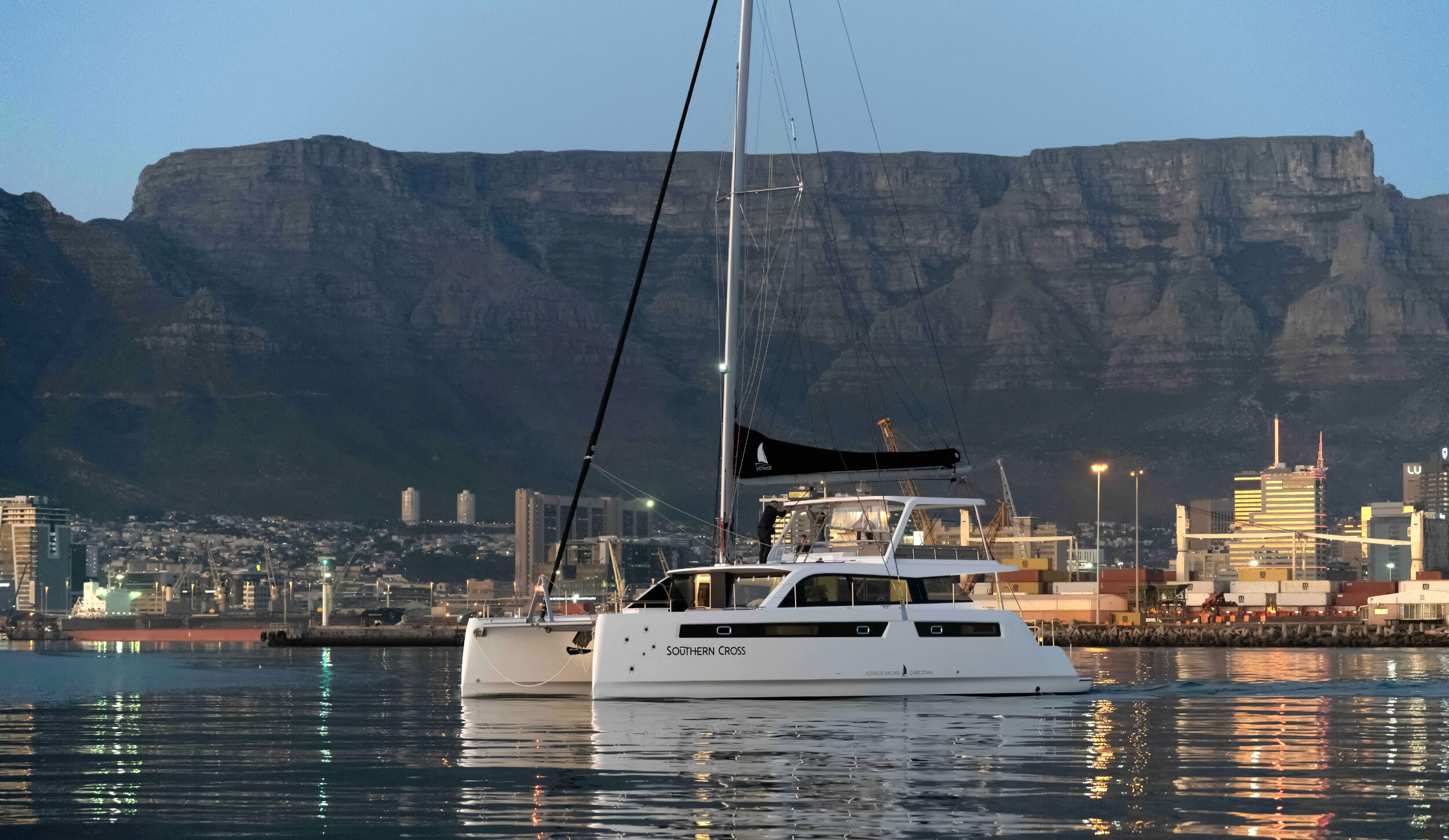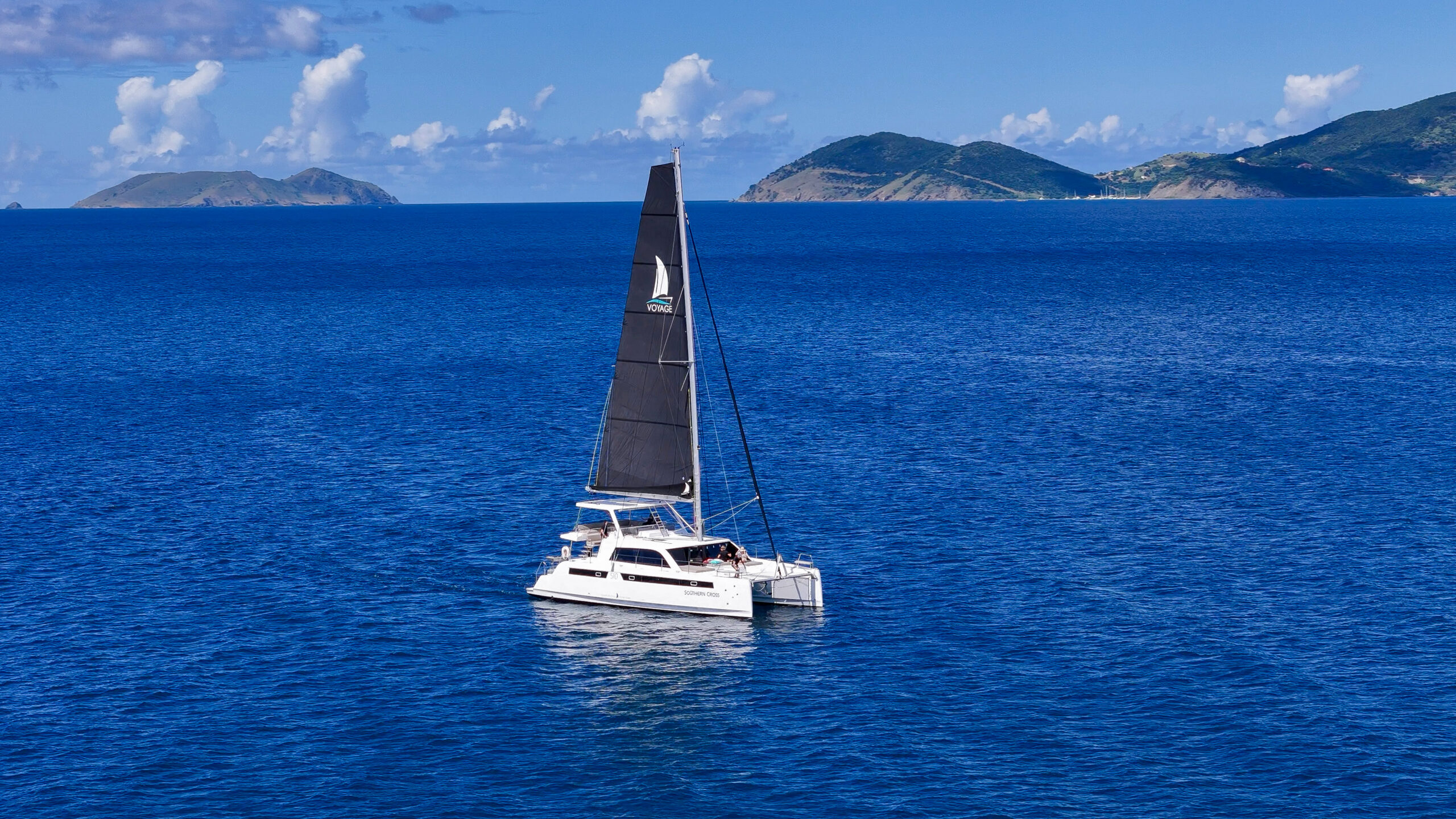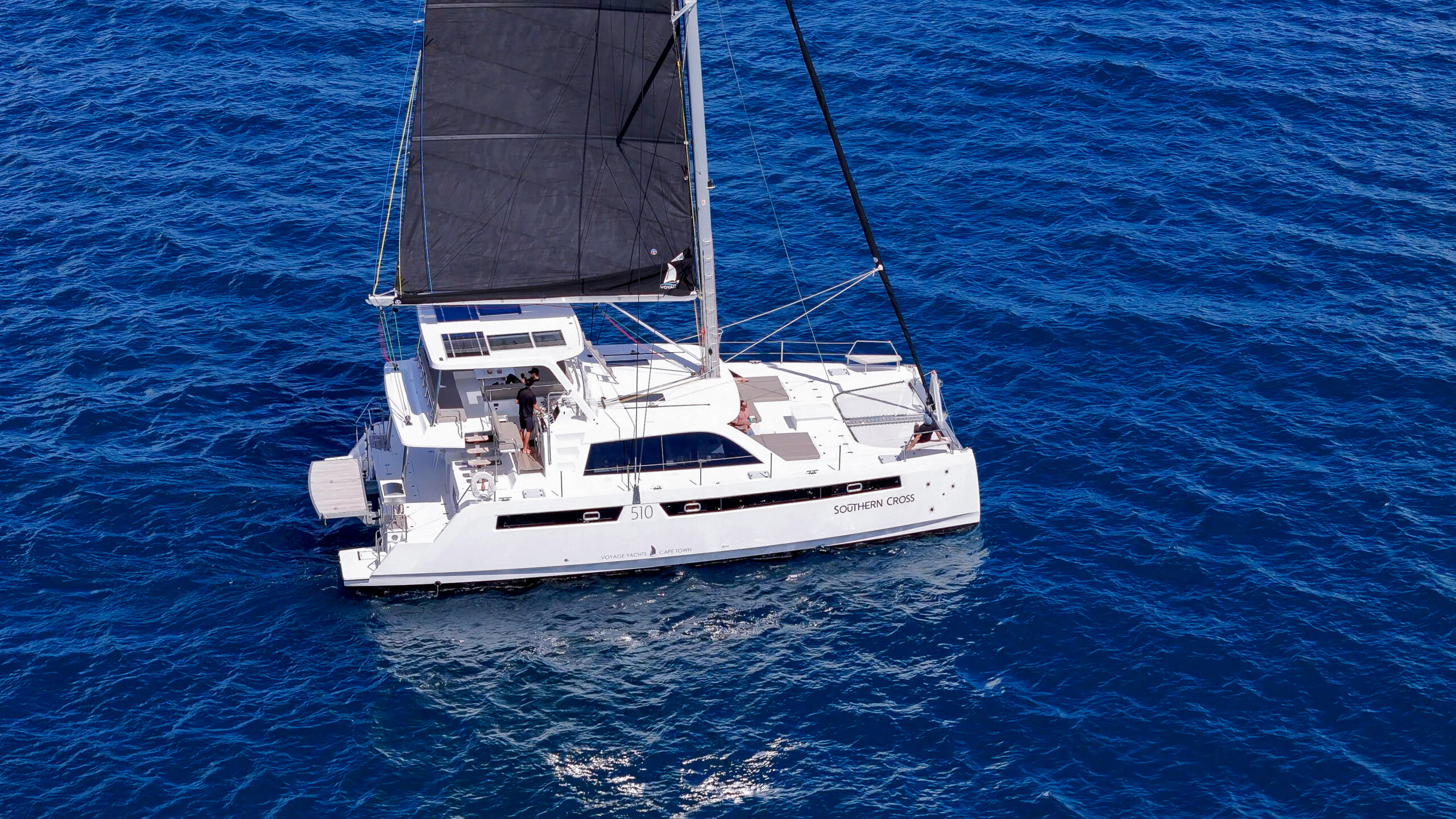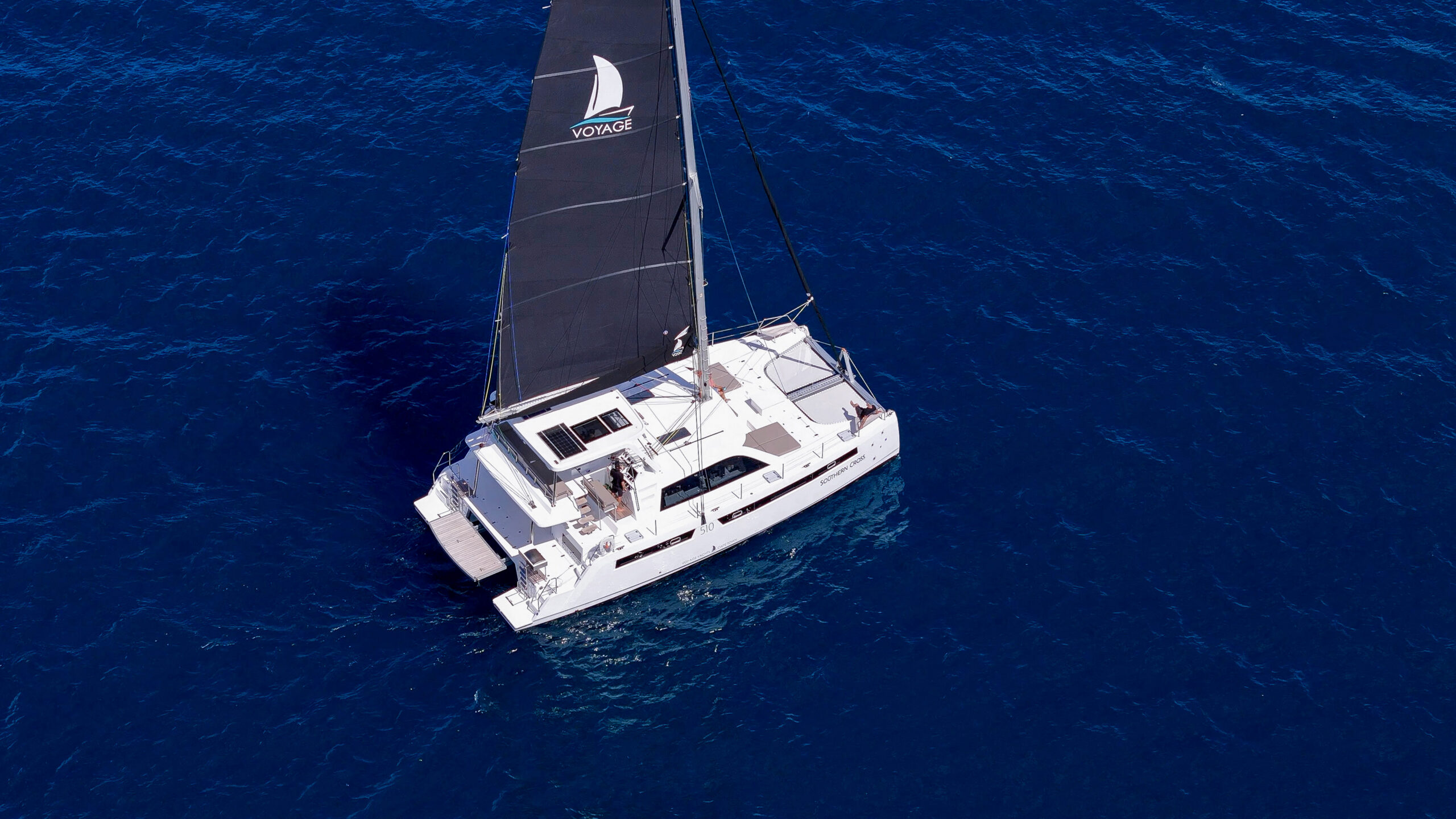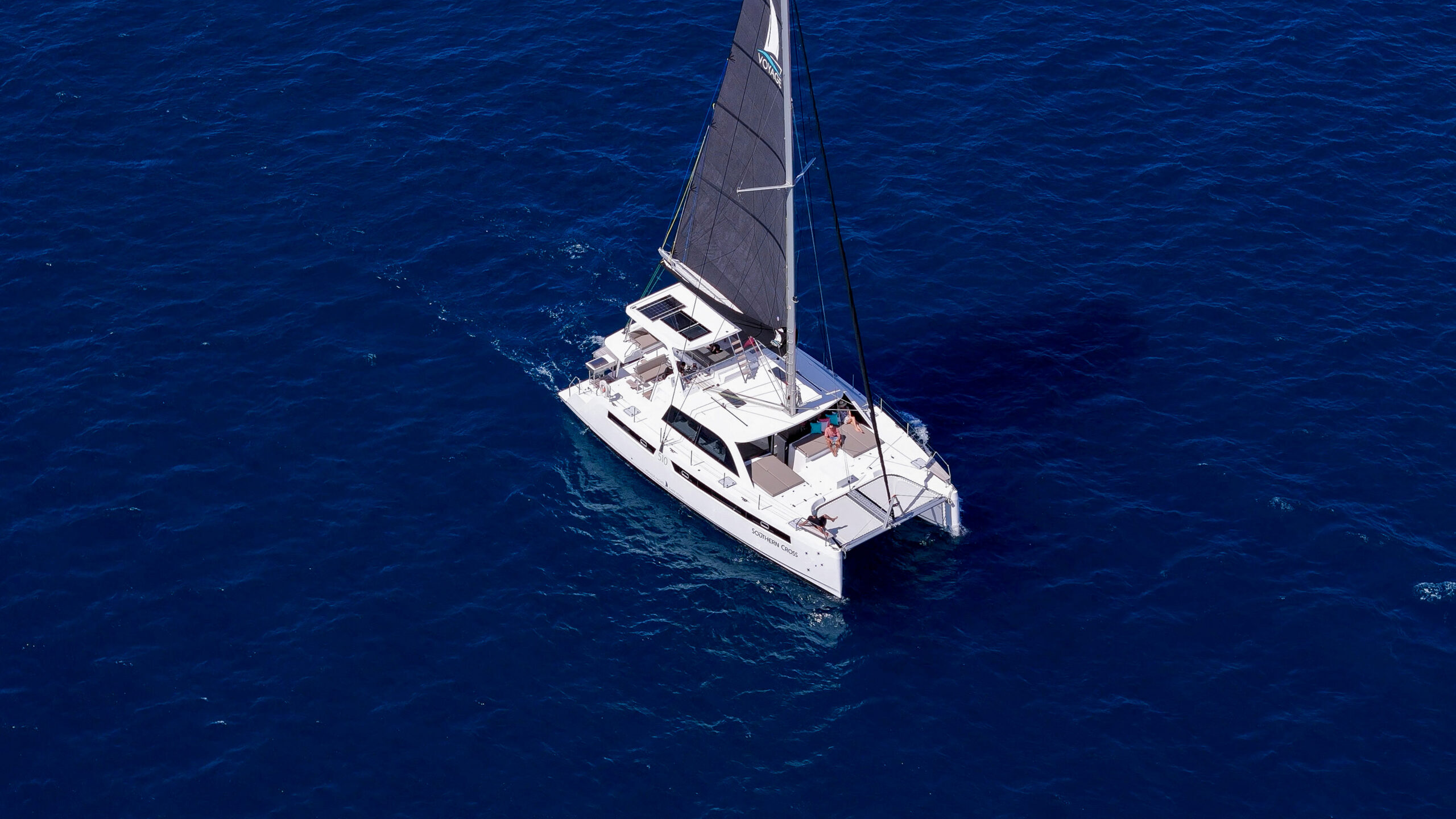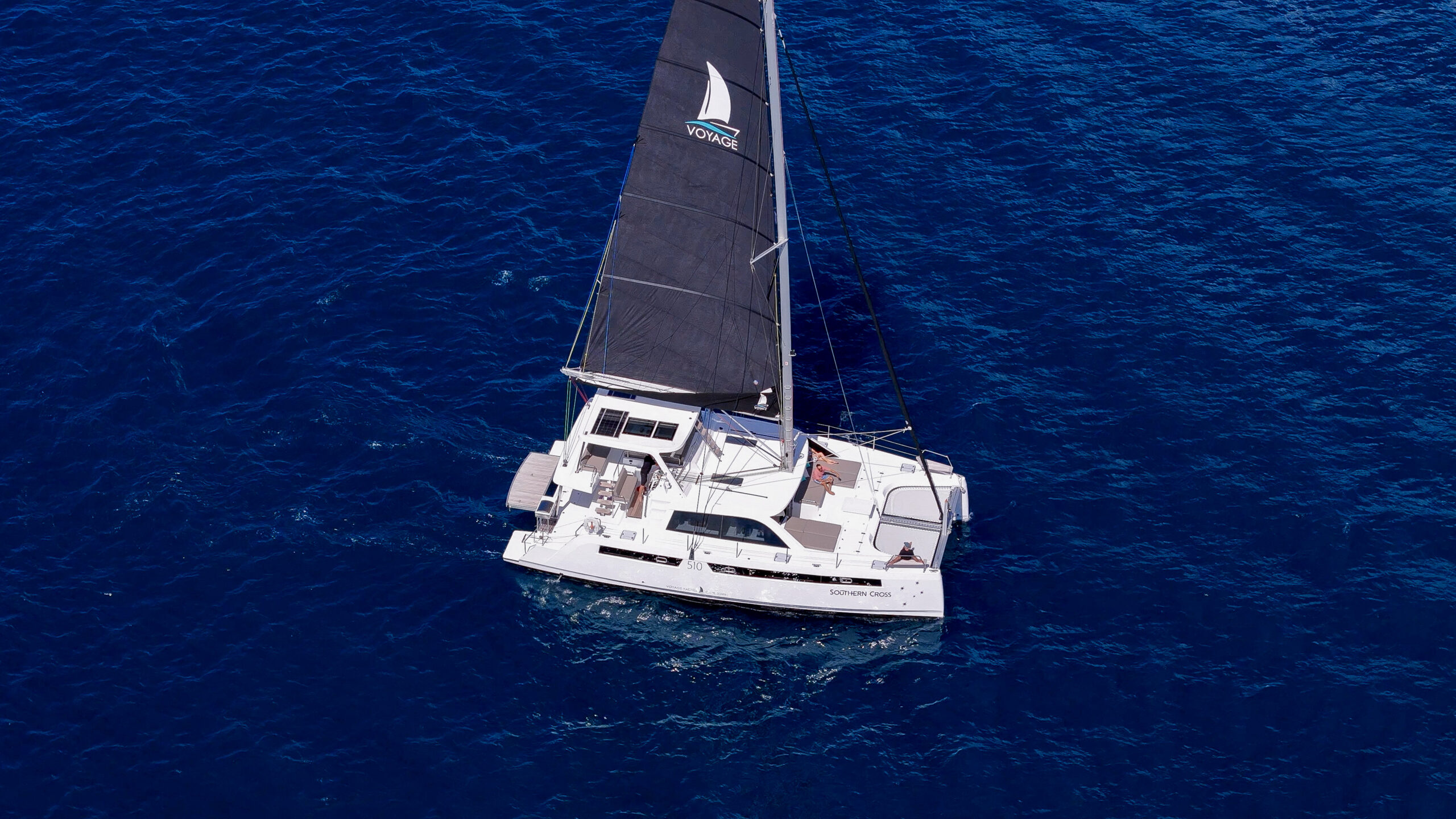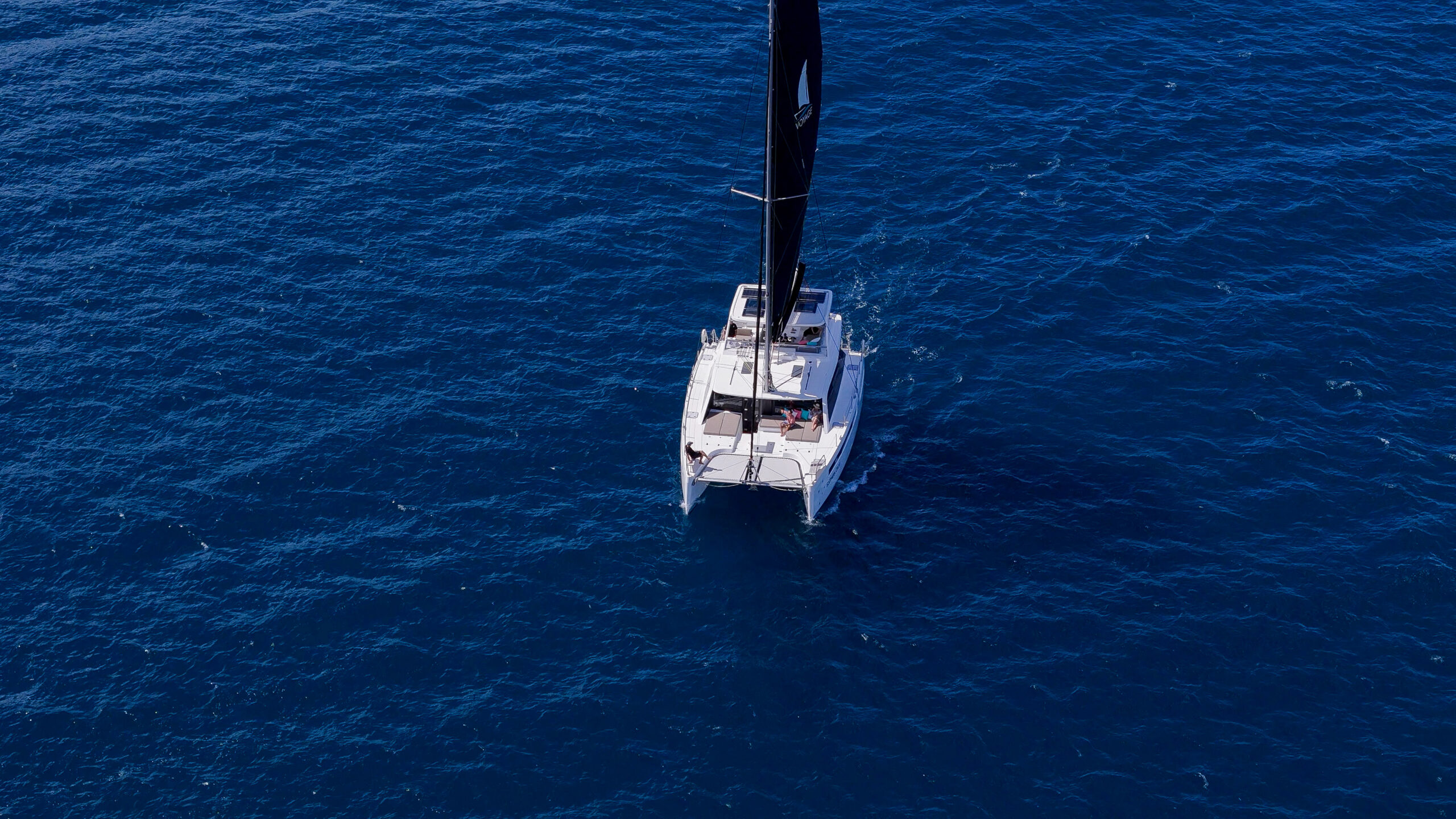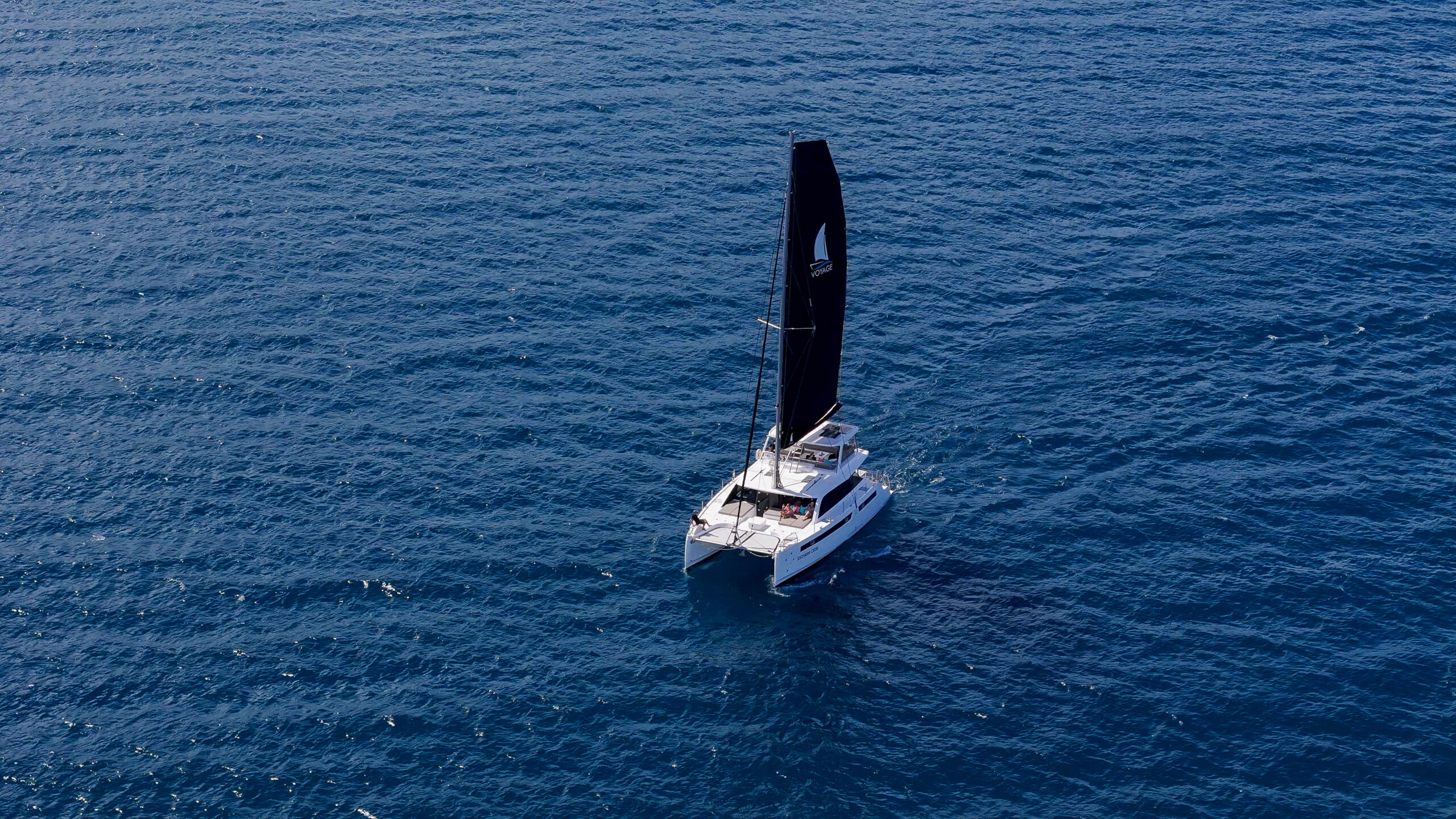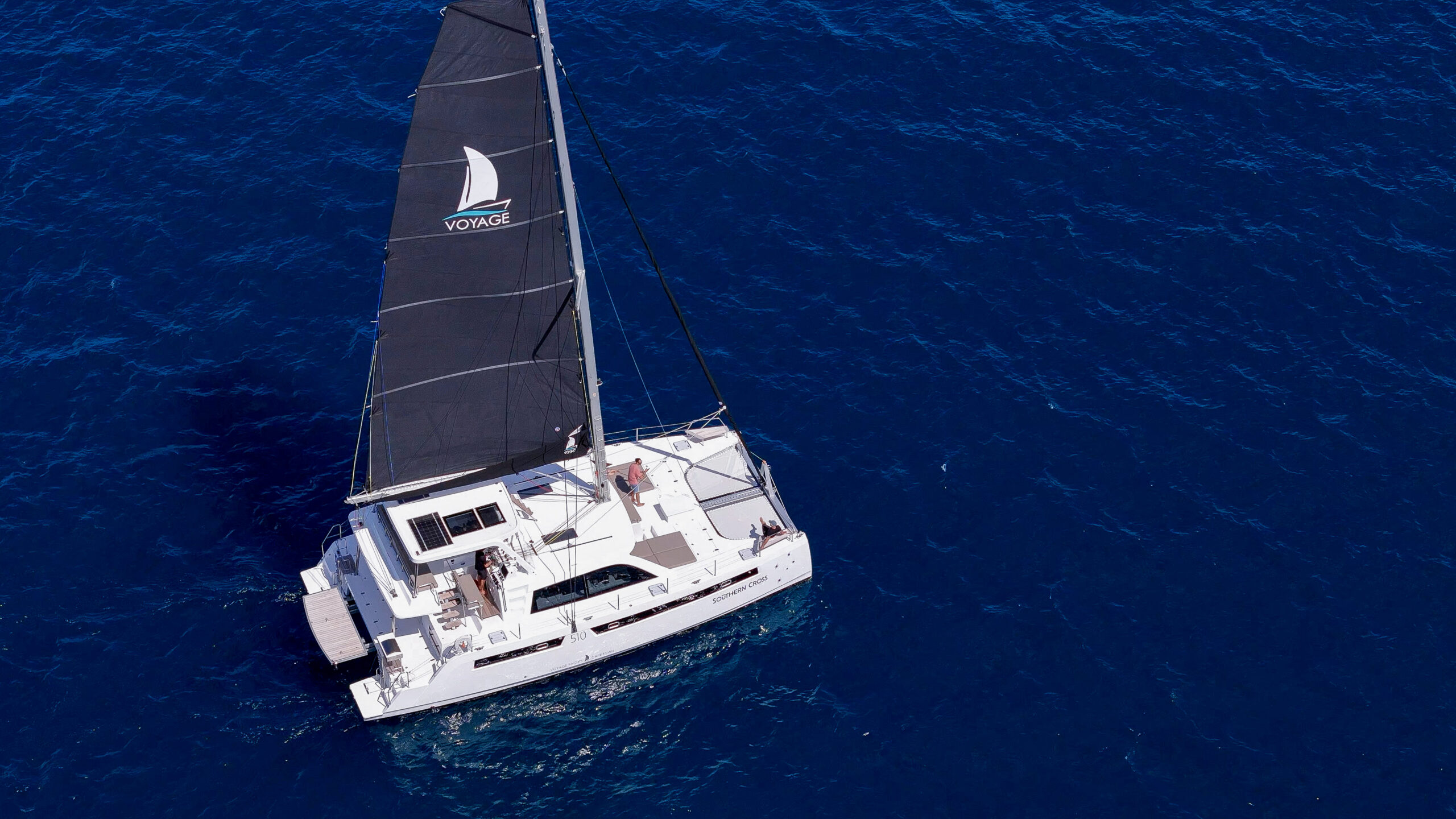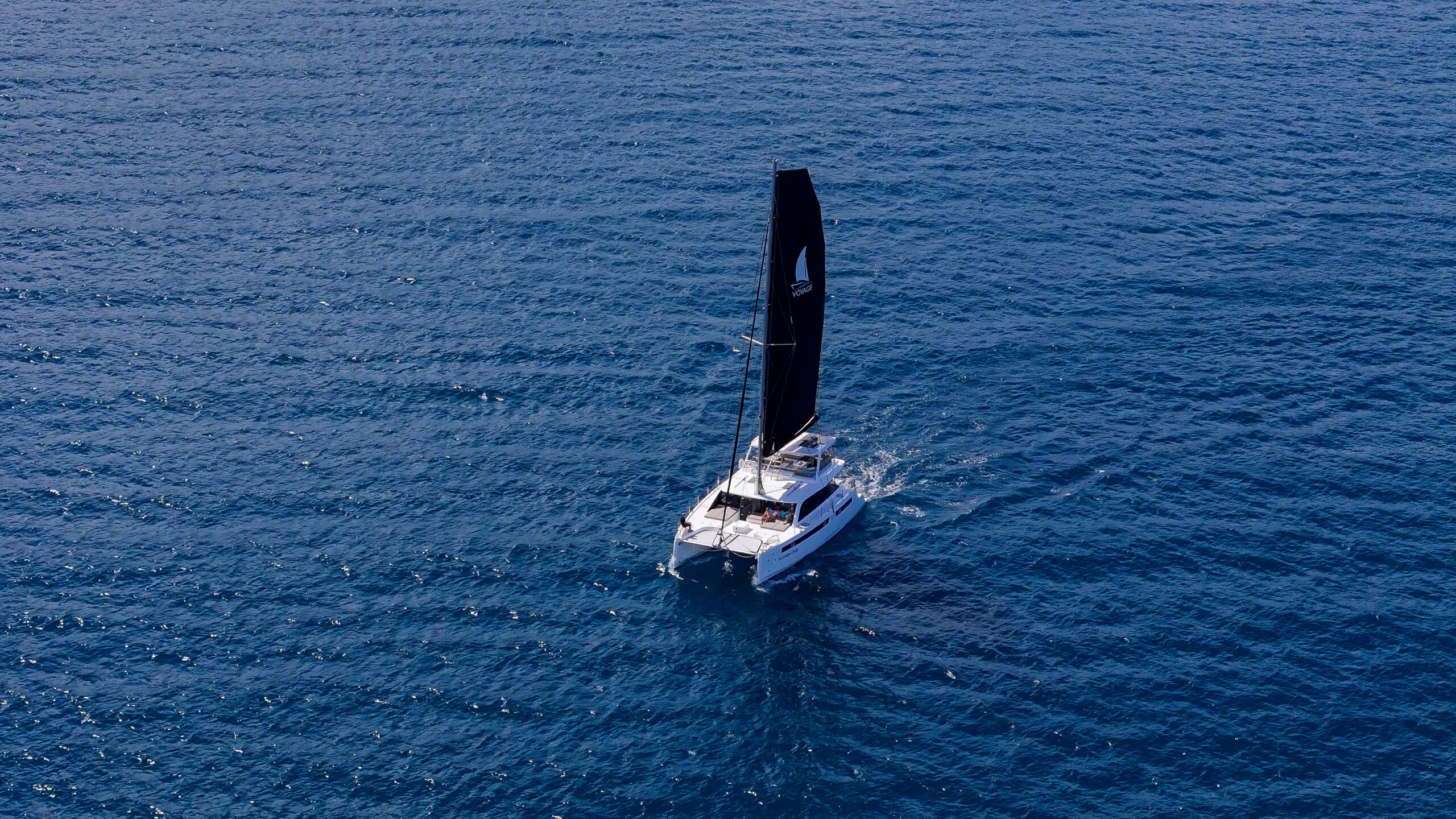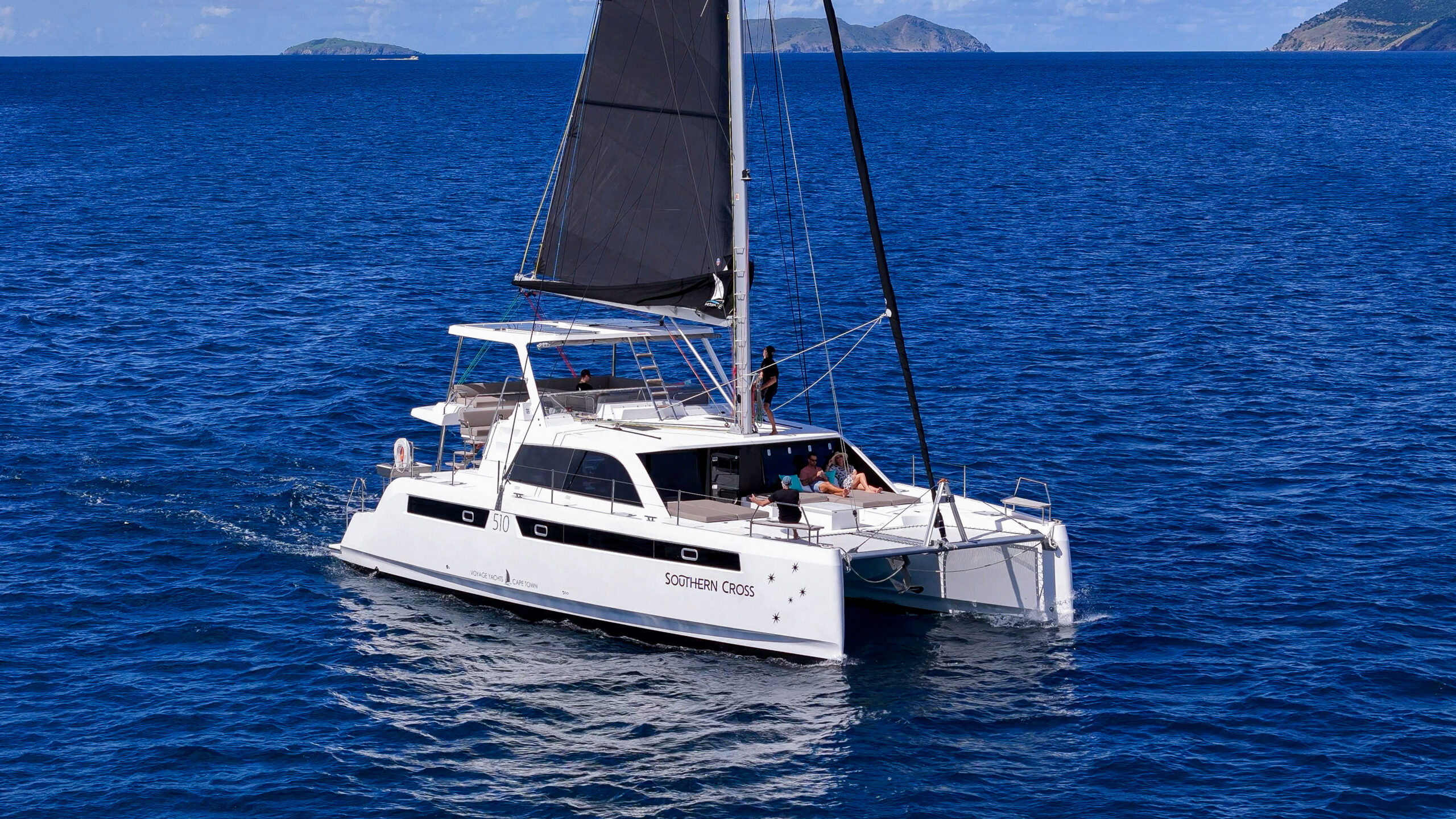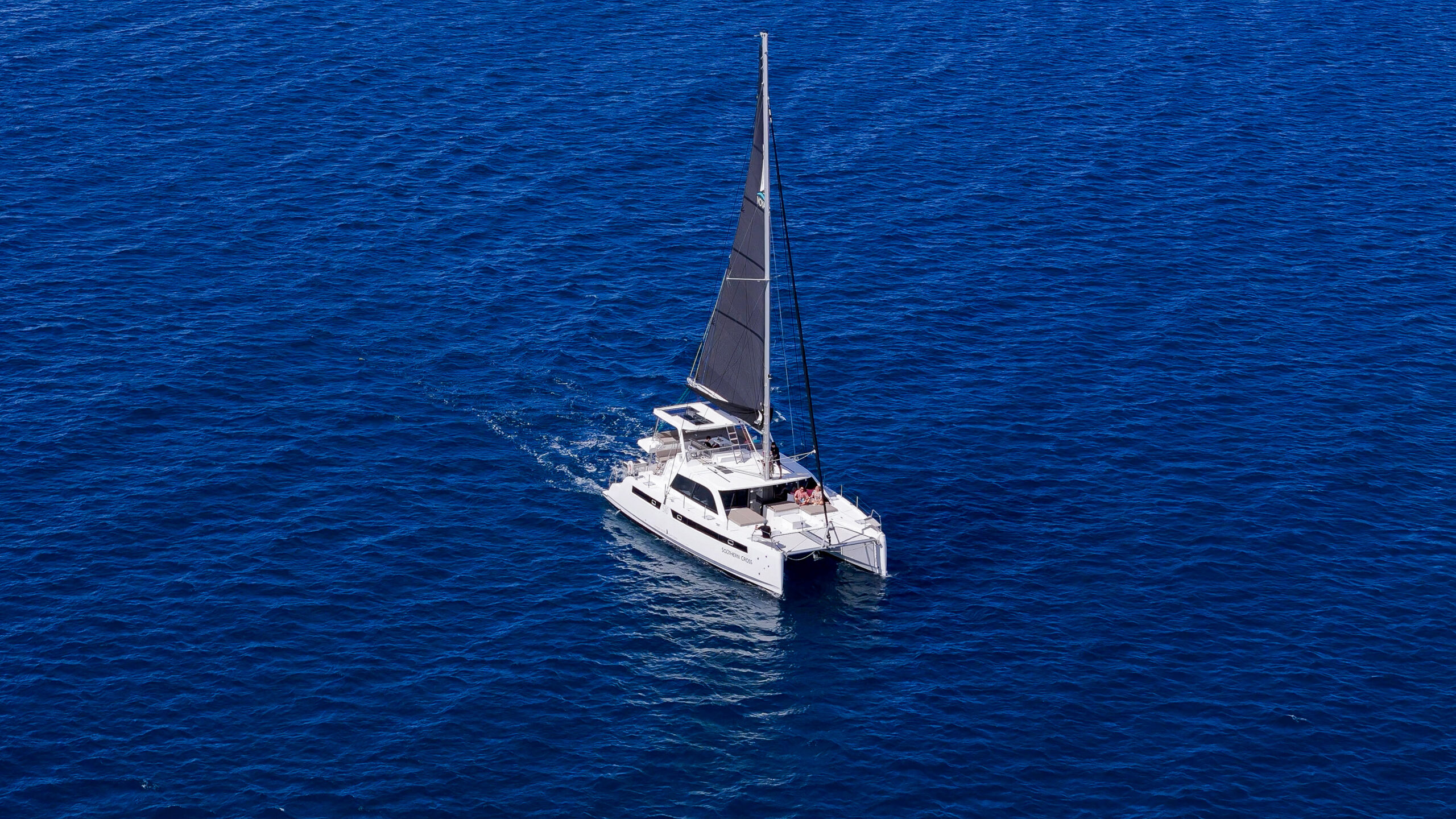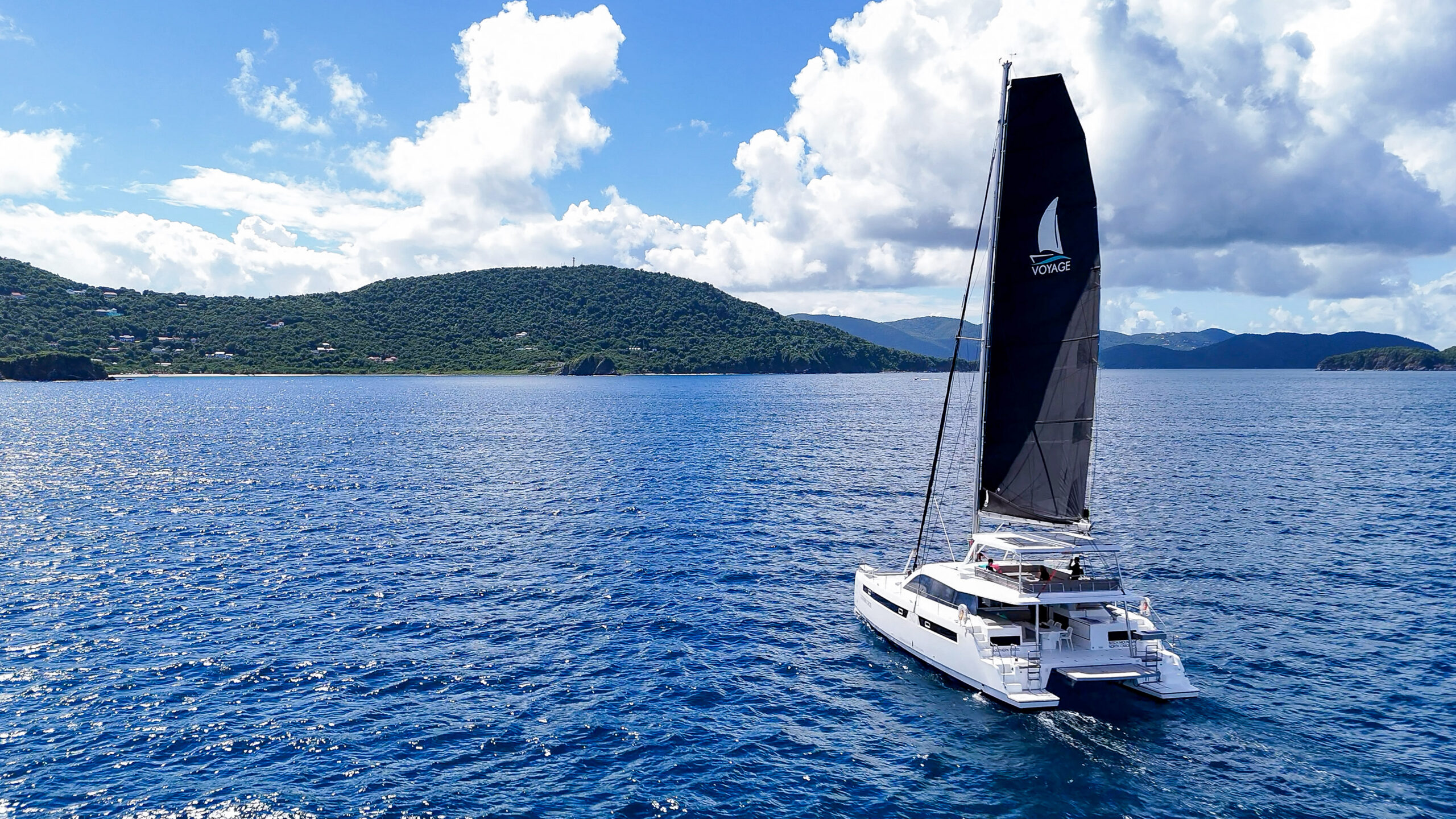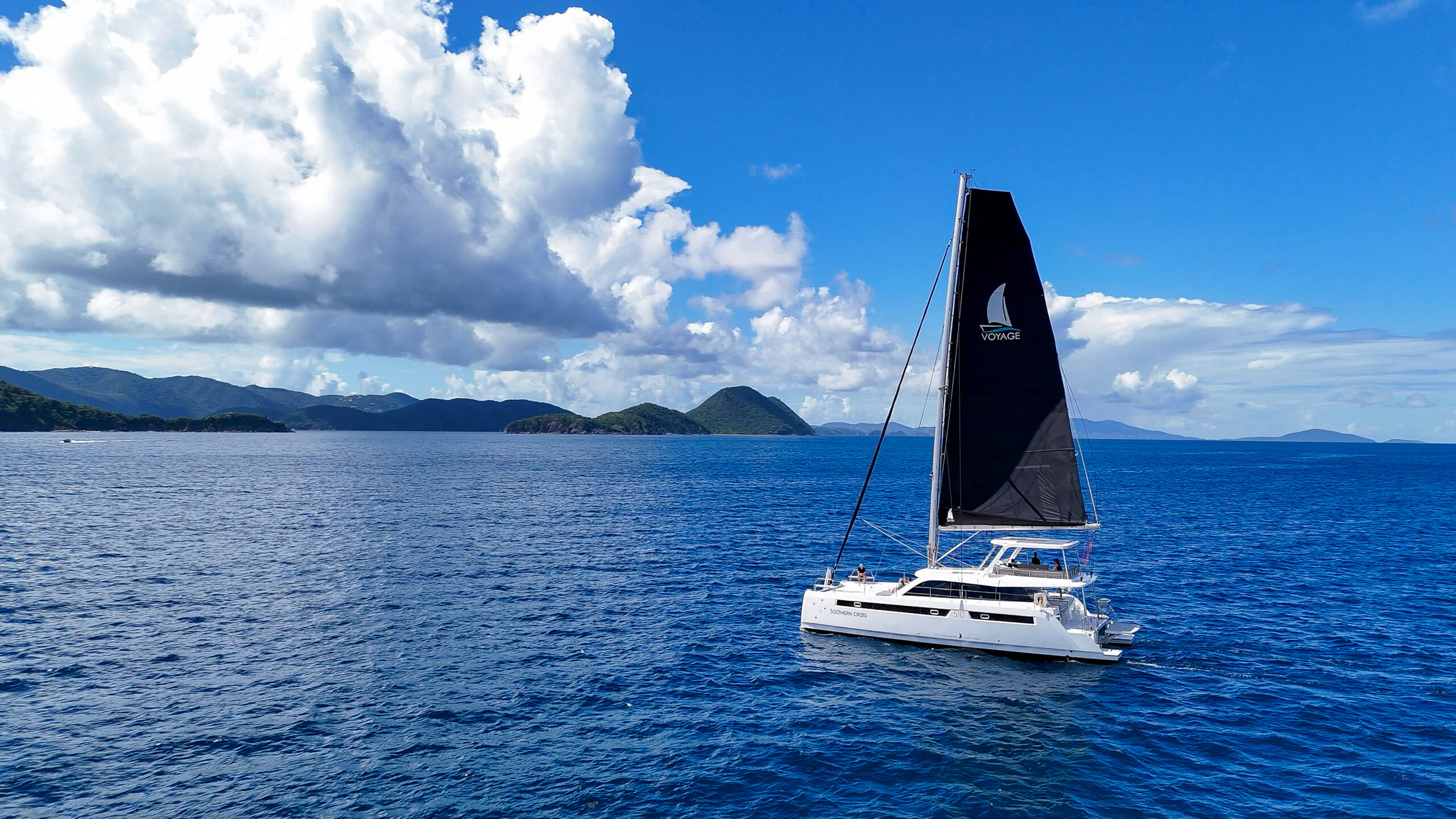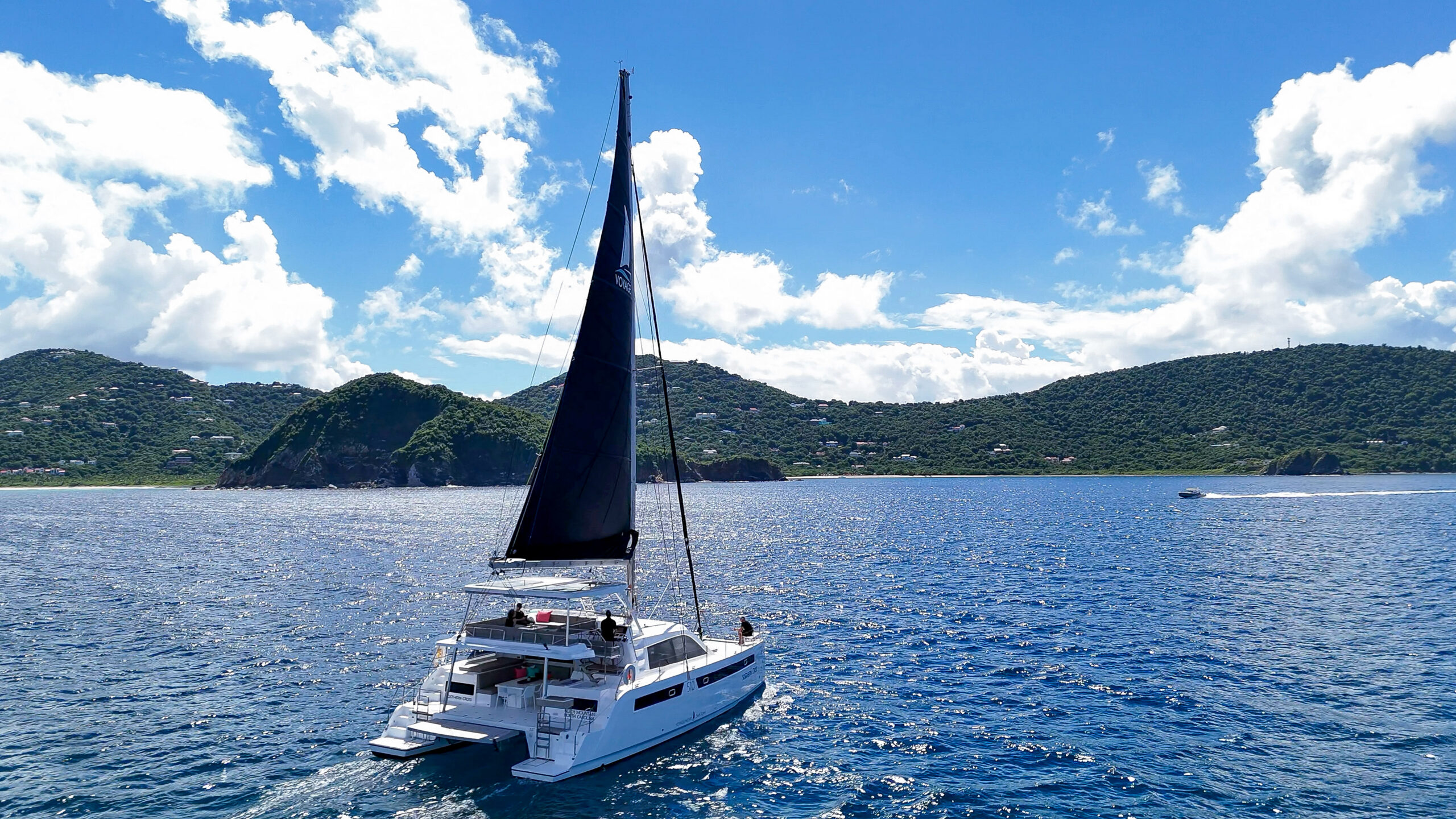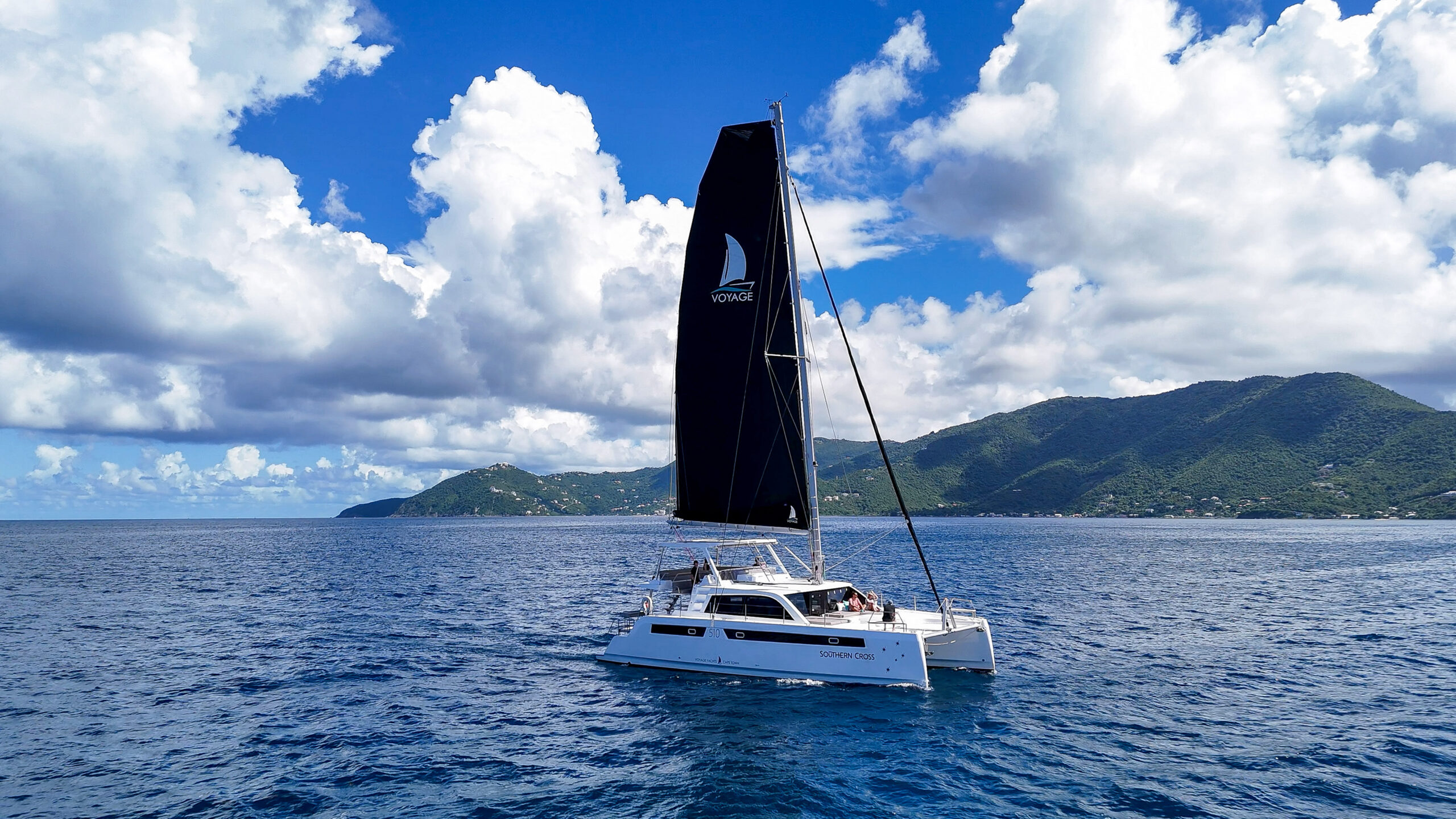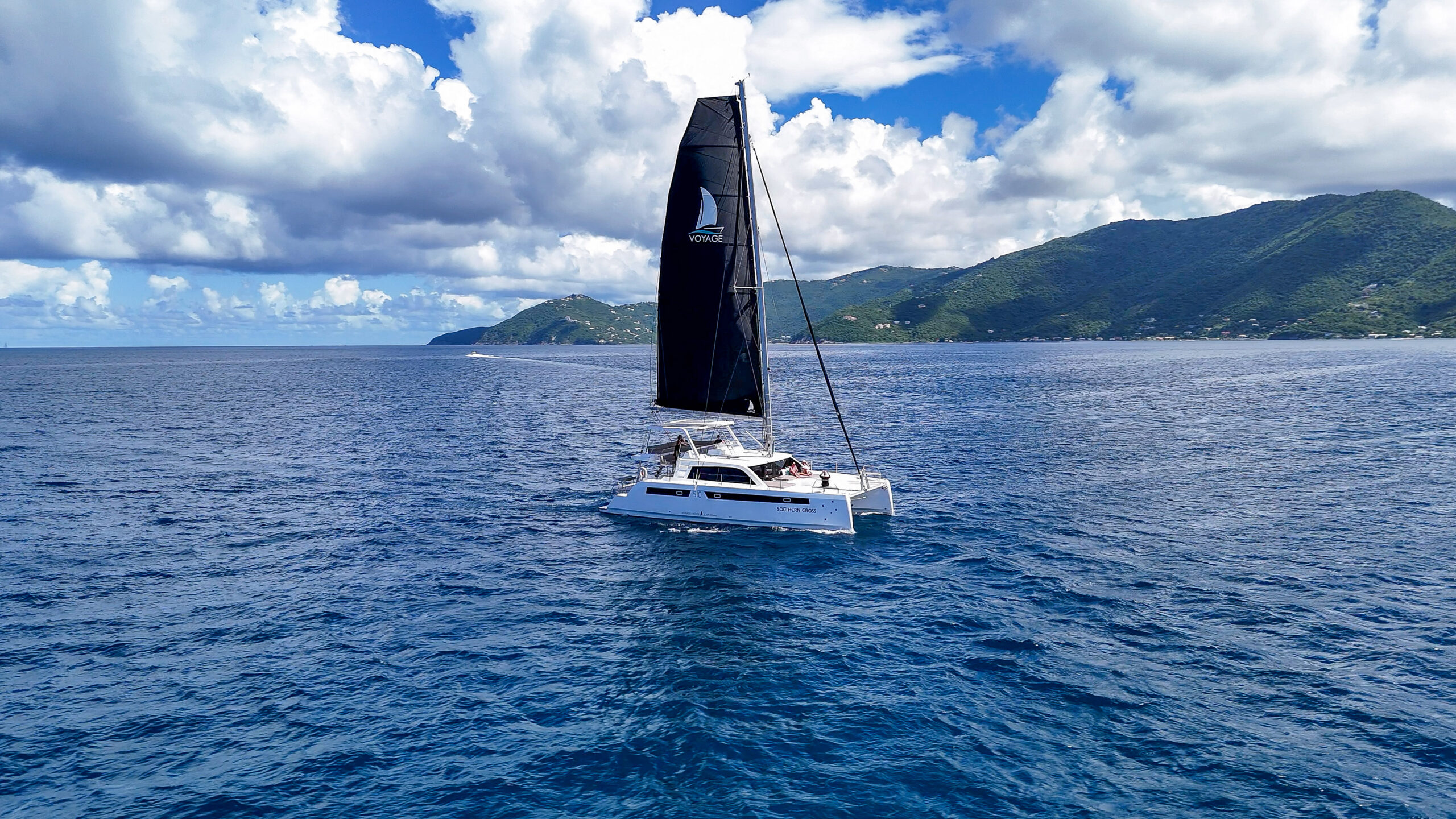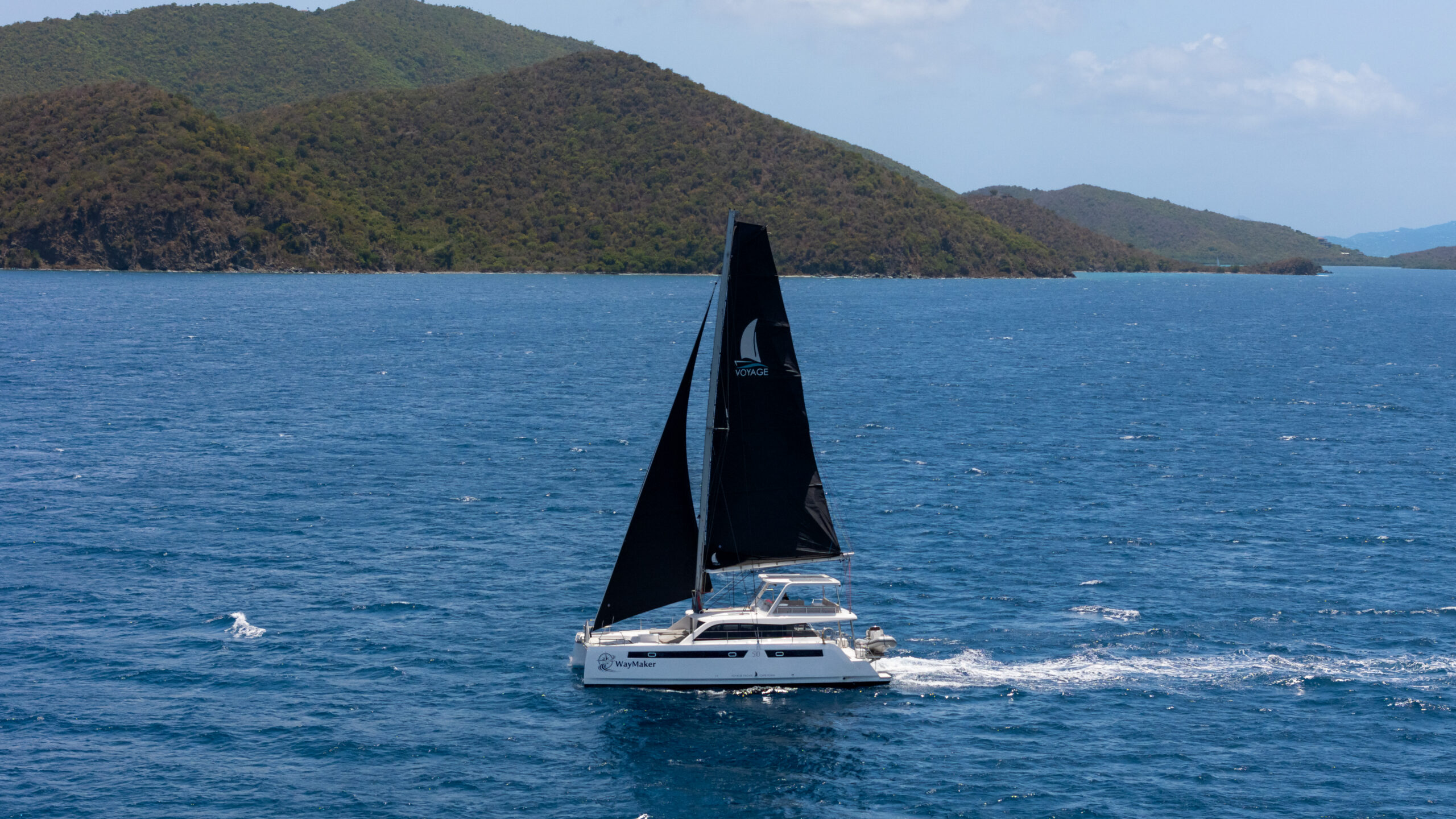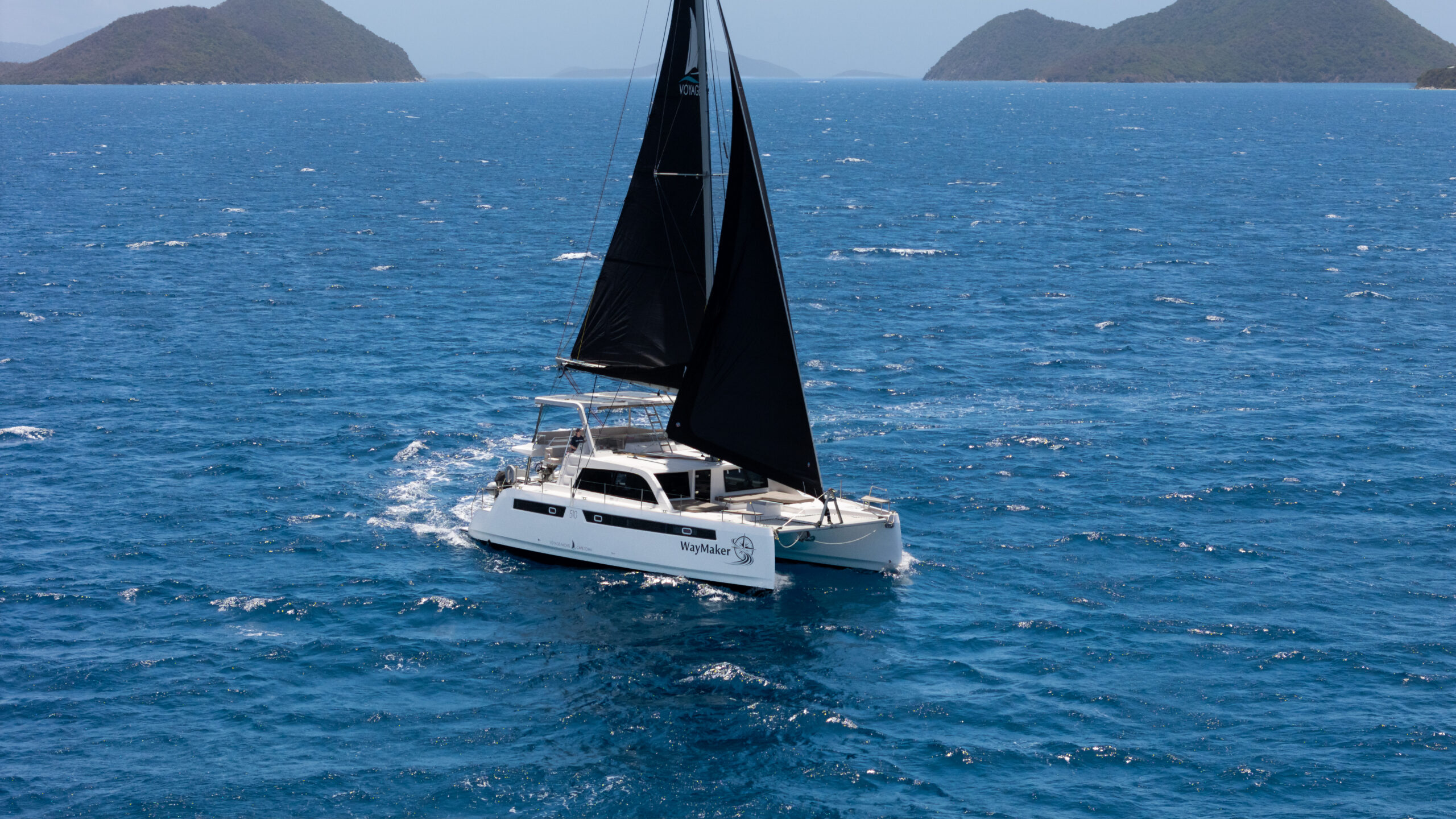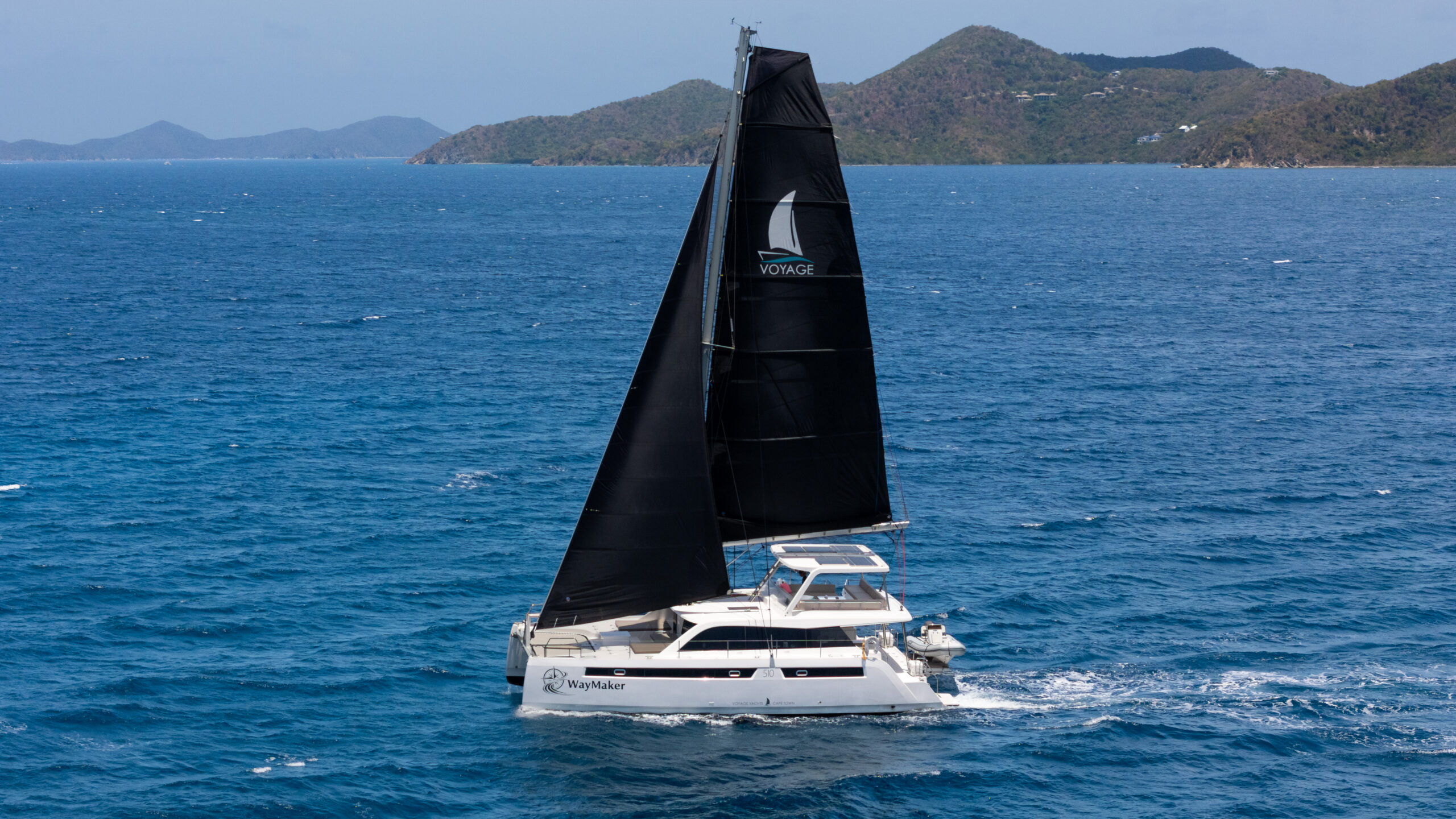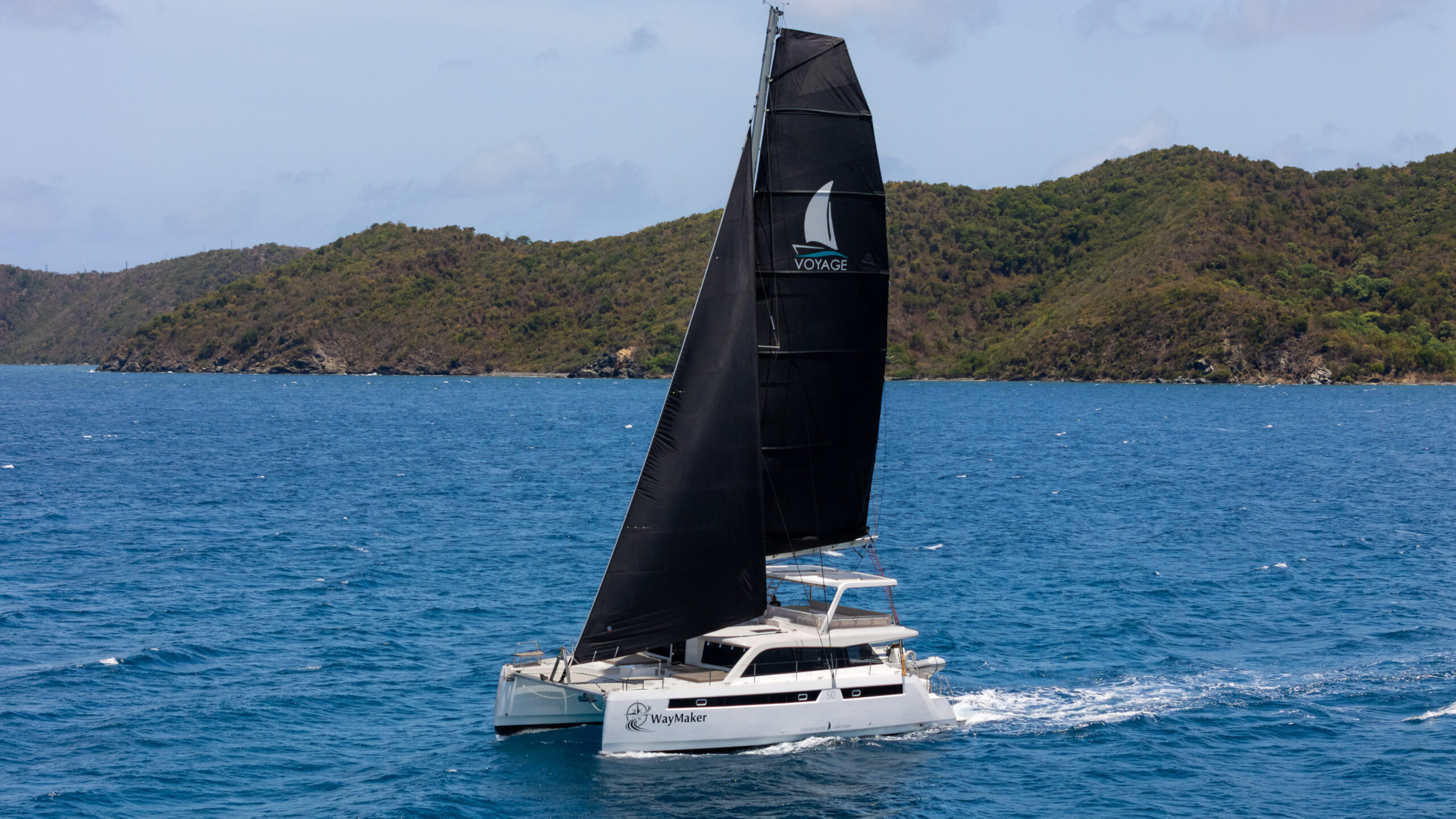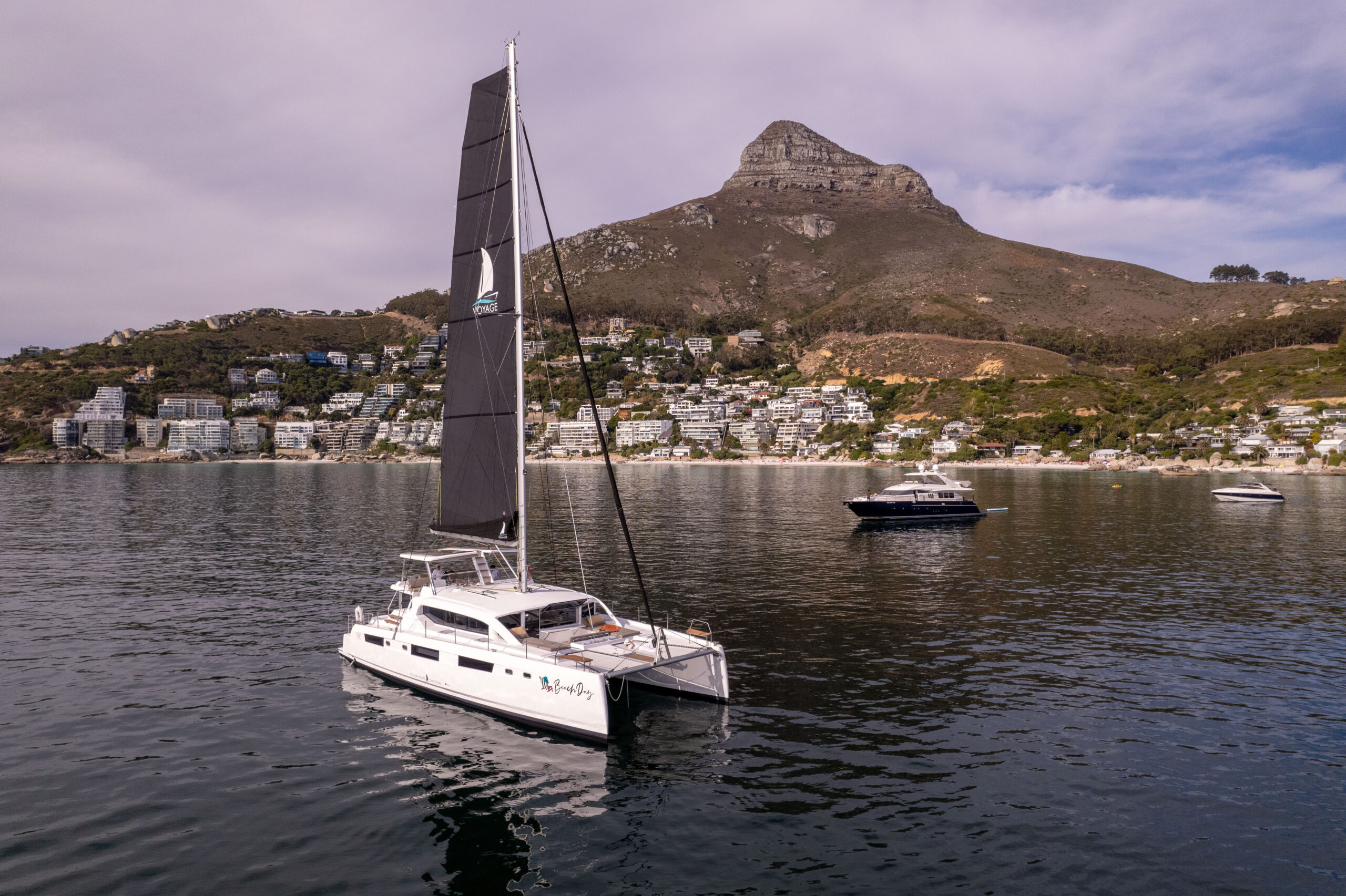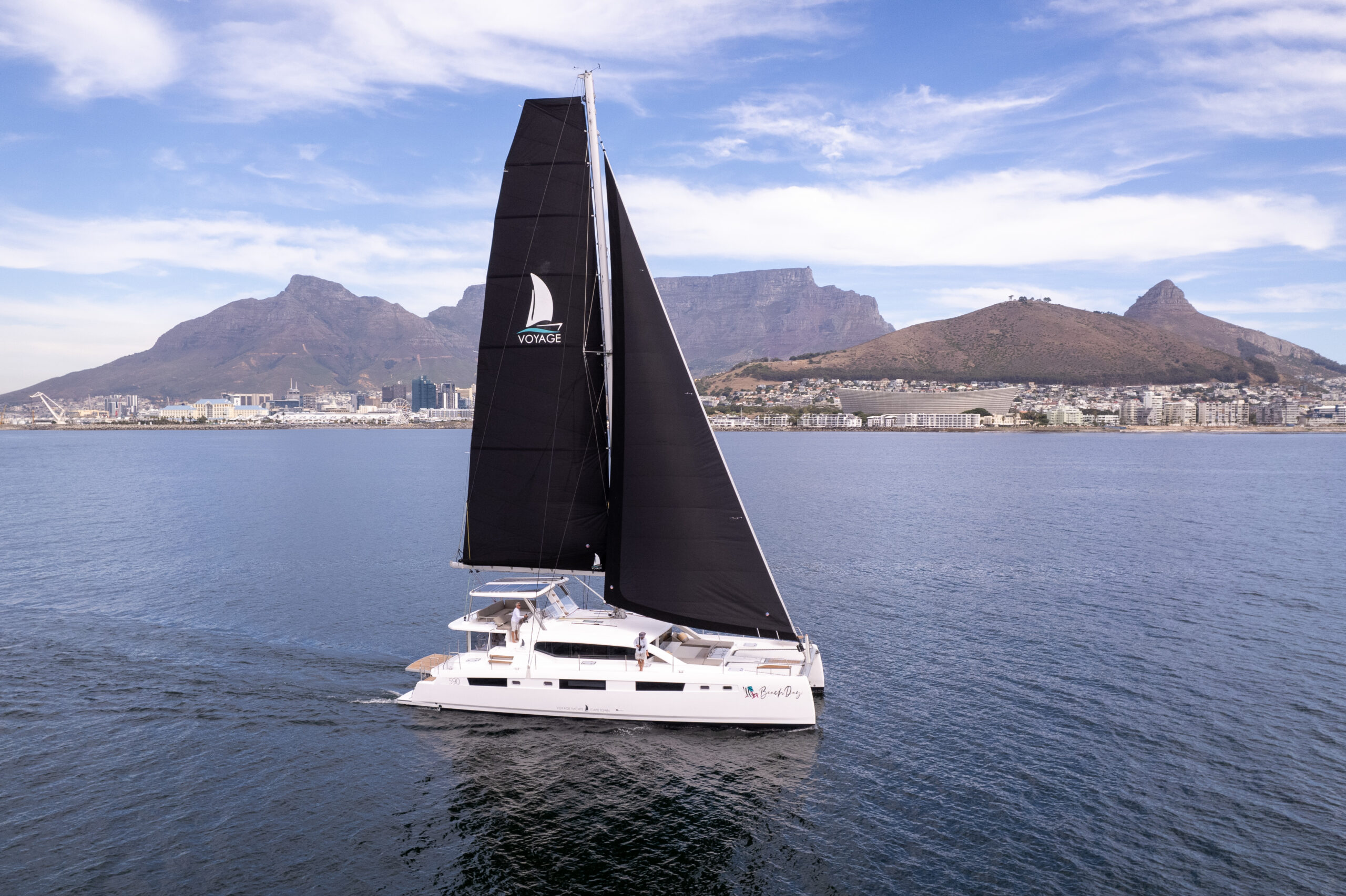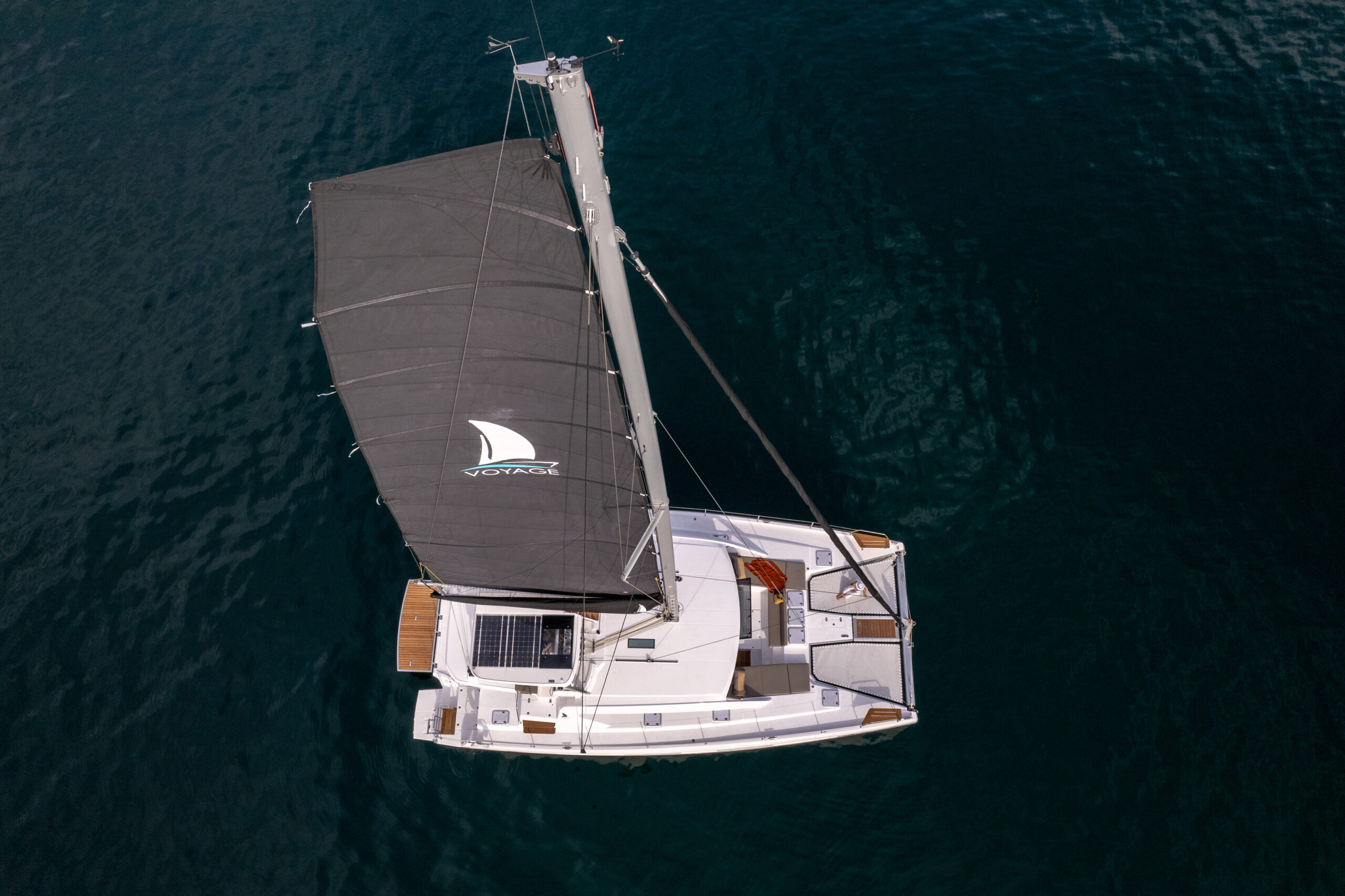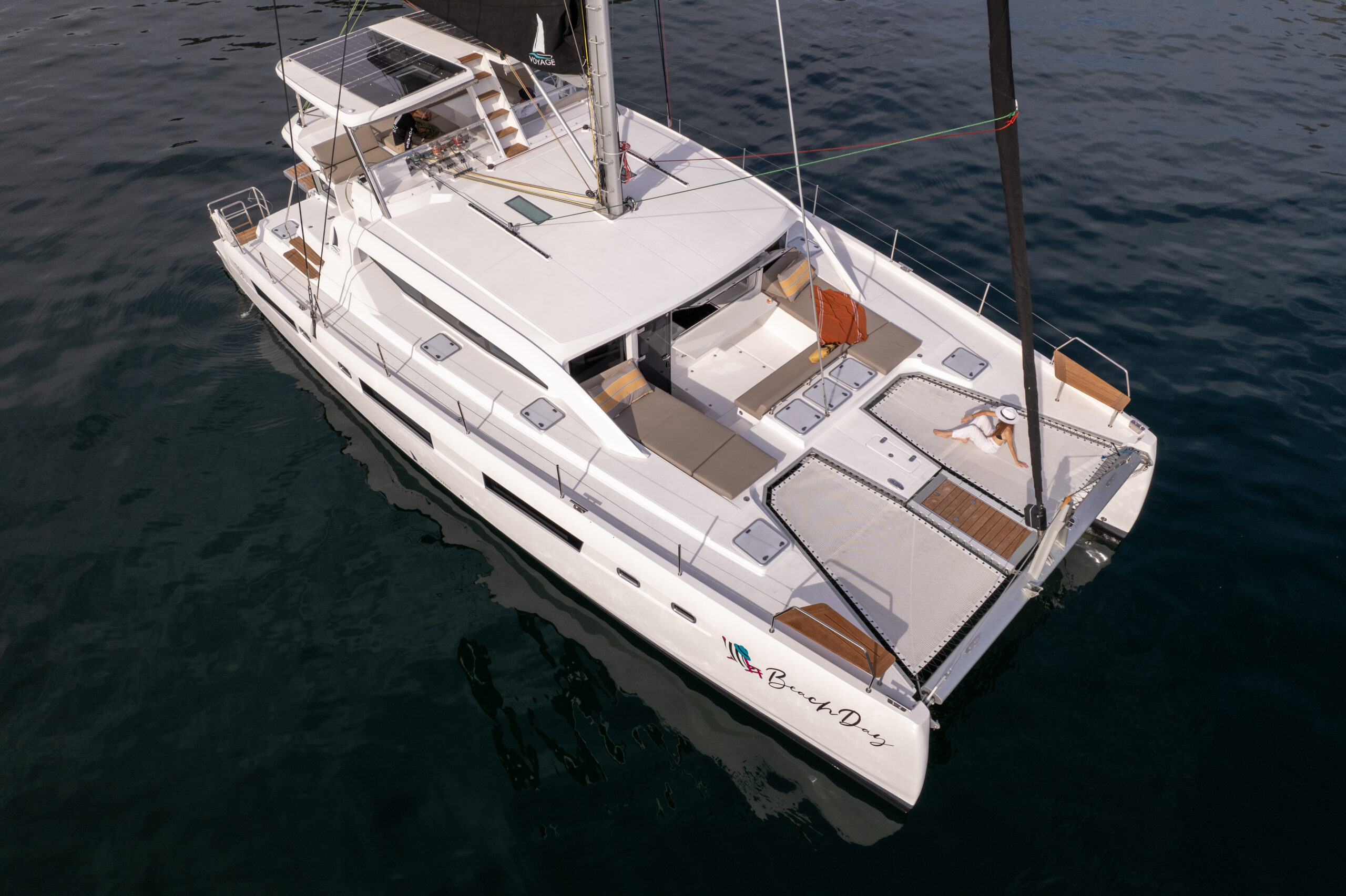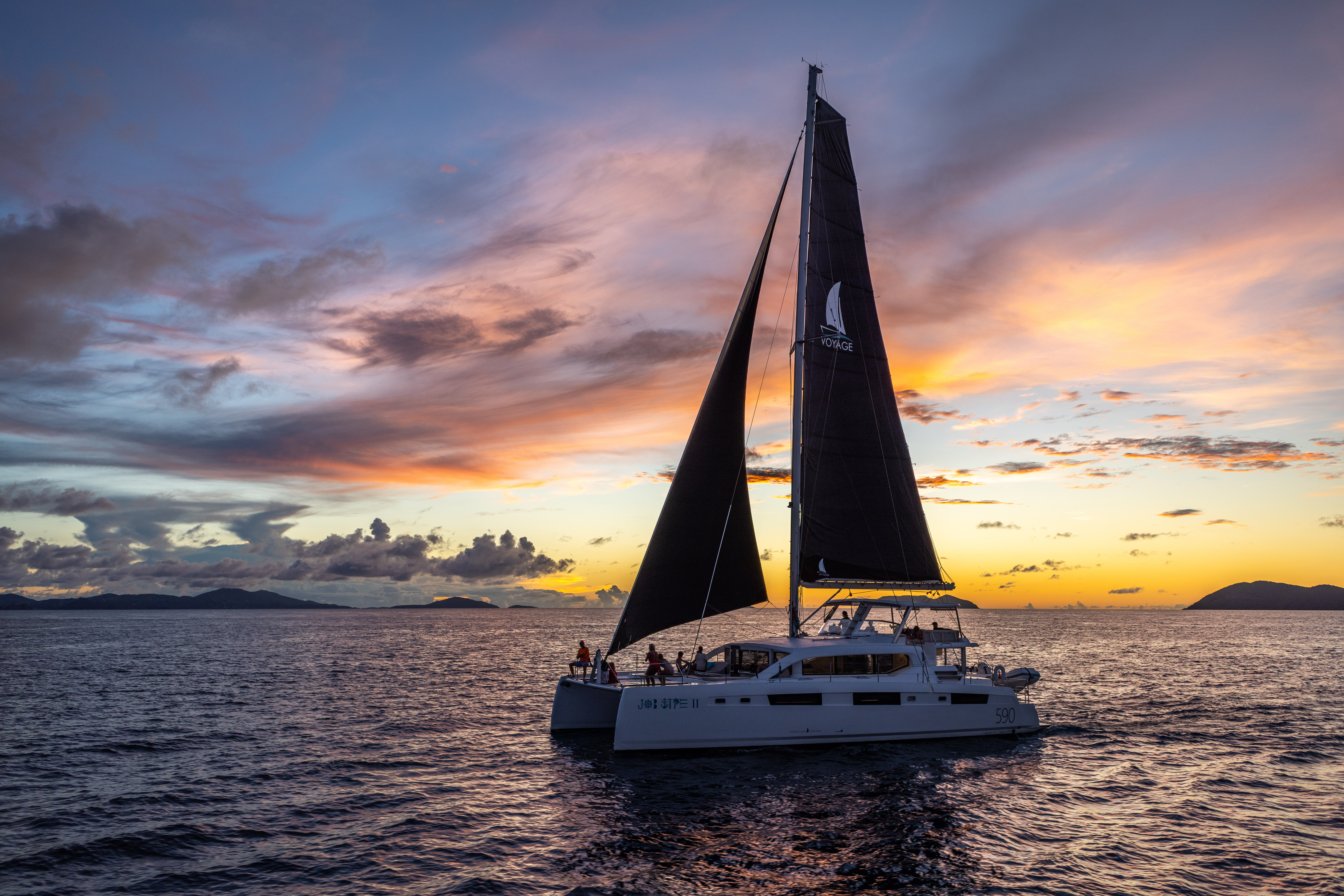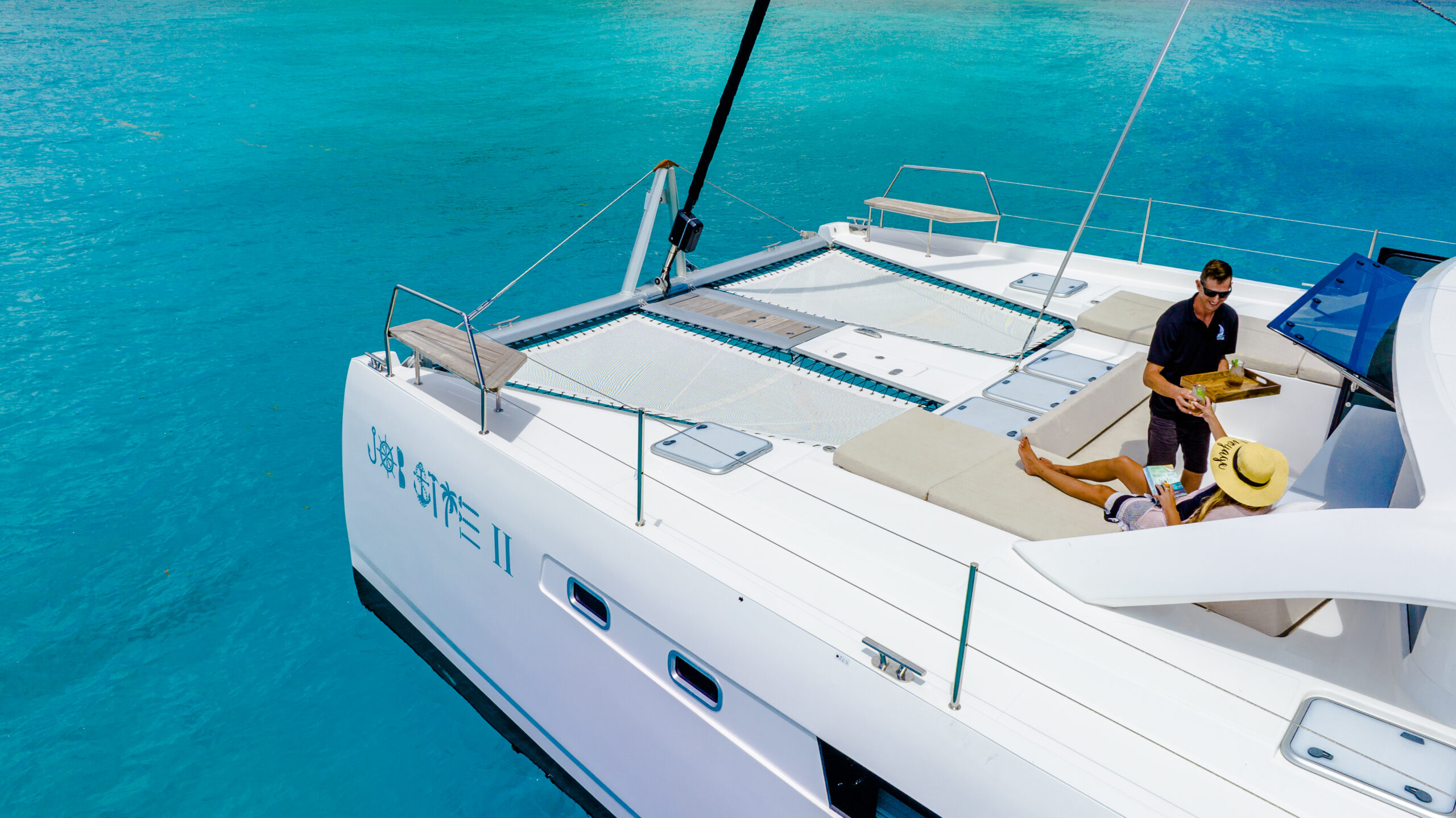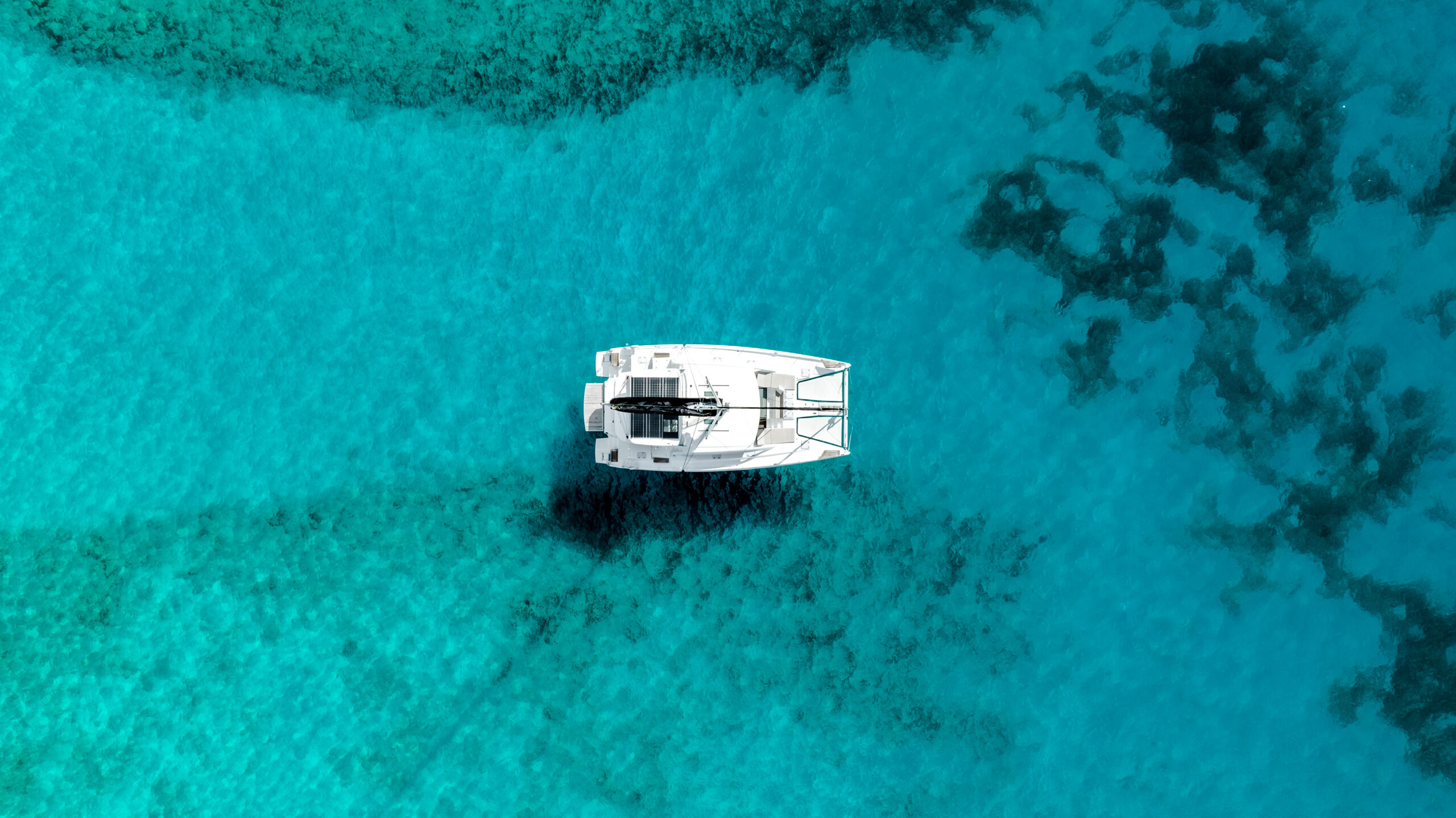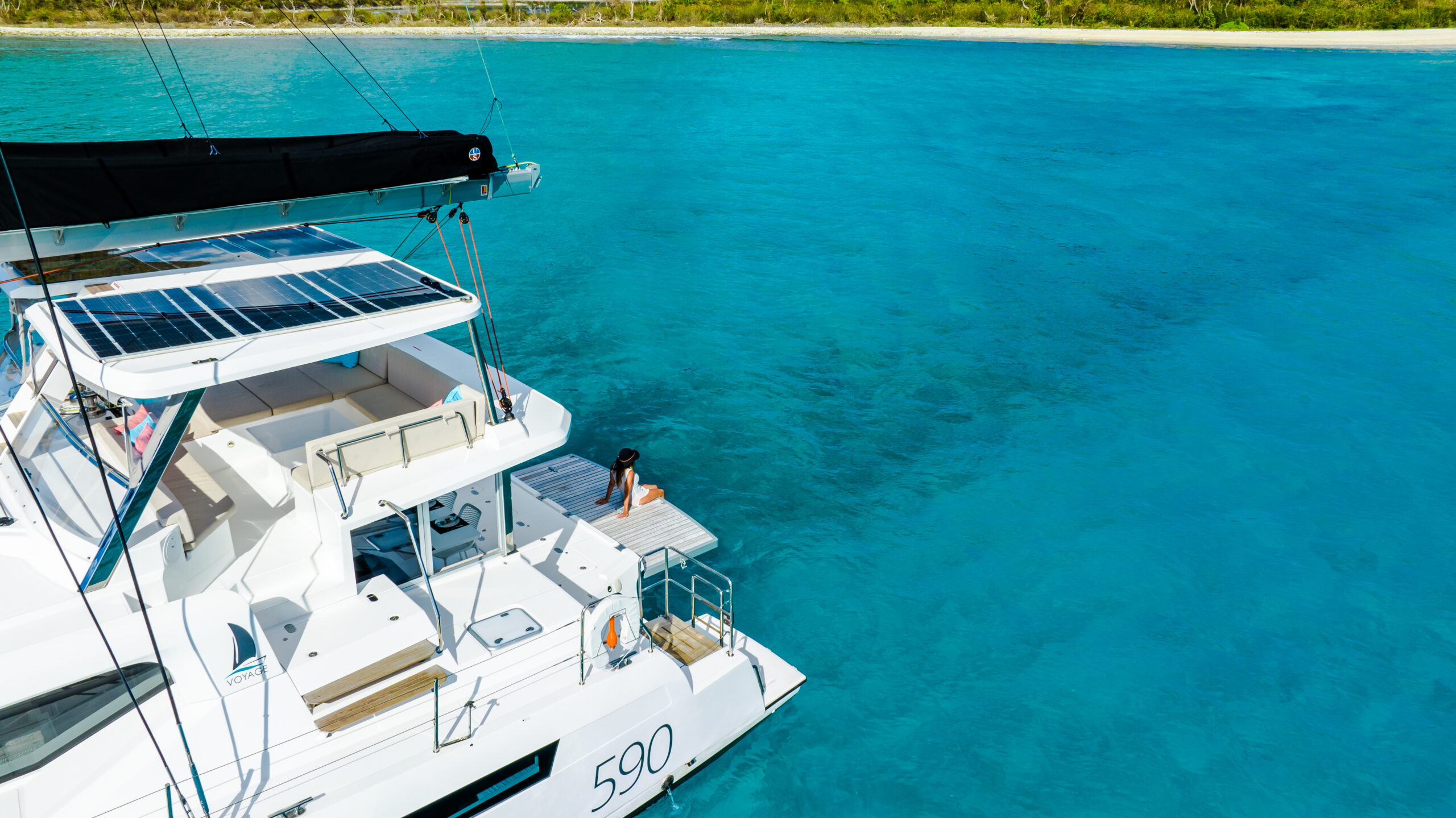
This July, VOYAGE YACHTS celebrates 32 years of building sailing catamarans in Cape Town, South Africa. Since the company was established on 17 July 1994, every VOYAGE has carried a practical understanding of what a bluewater cruising catamaran needs to be: capable, comfortable, serviceable and built for life on the water.
That foundation remains unchanged as we evolve how we apply the principles to the next generation of VOYAGE YACHTS.
This is the first article in our Inside the Yard series, where we’ll share a closer look at the build process, technical developments, model evolution and the people behind the boats.
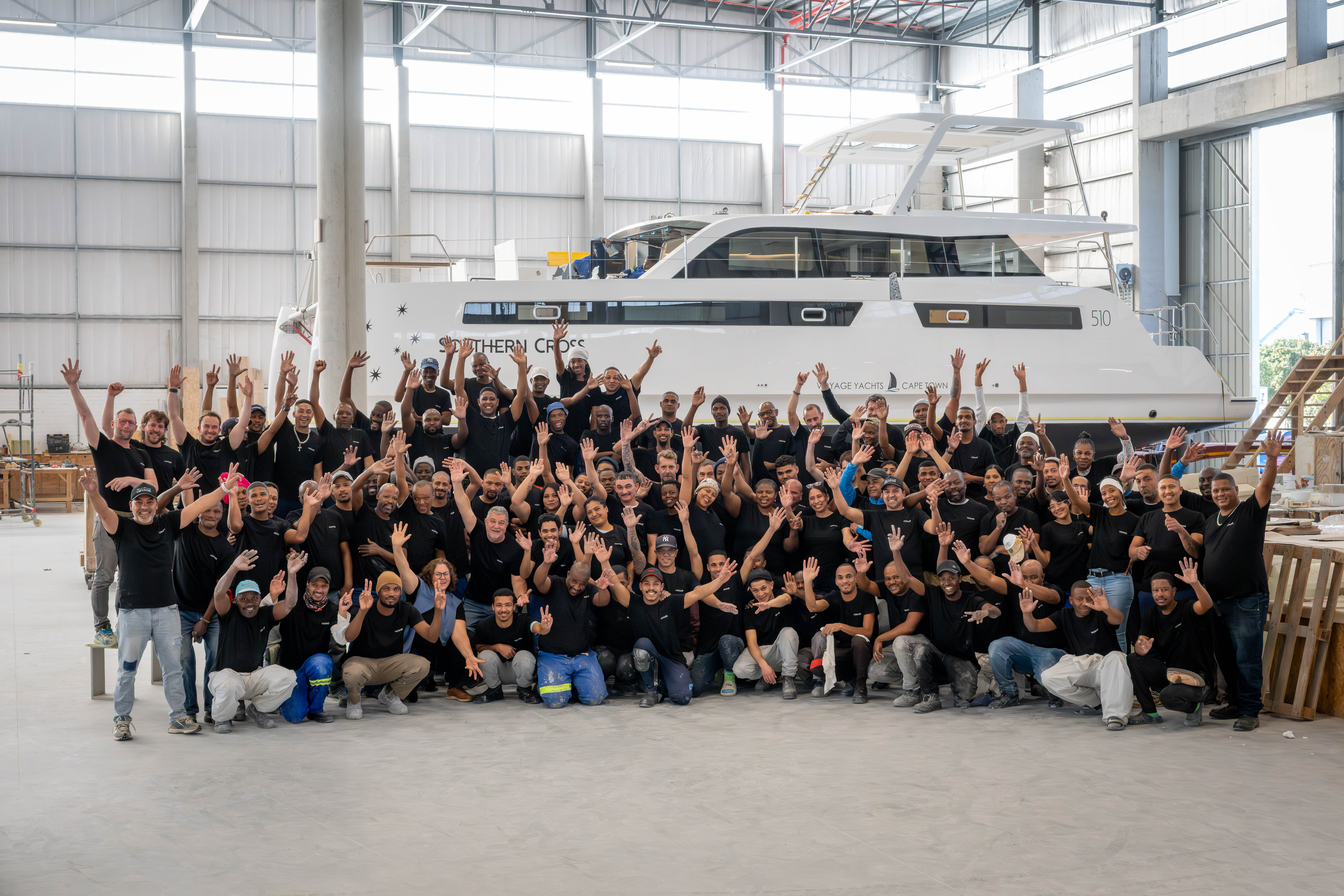
In December 2024, VOYAGE YACHTS officially relocated manufacturing operations from Paarden Island to Montague Gardens. The move was bittersweet, in some ways.
The Paarden Island factory had supported three decades of successful, award-winning catamaran production and remained capable of supporting our future ambitions. But moving into our Montague Gardens premises offered a timely opportunity to reassess our workflow, renew our focus and bring new skills into the yard.
Today, there are four VOYAGE catamarans in production, ranging from a vessel six weeks from completion to another only six weeks into its build.
Alongside this renewed production focus, the yard has accelerated one of the most significant process shifts in its recent history: moving from a predominantly hand-laminated composite build process to an almost entirely infusion-led approach.

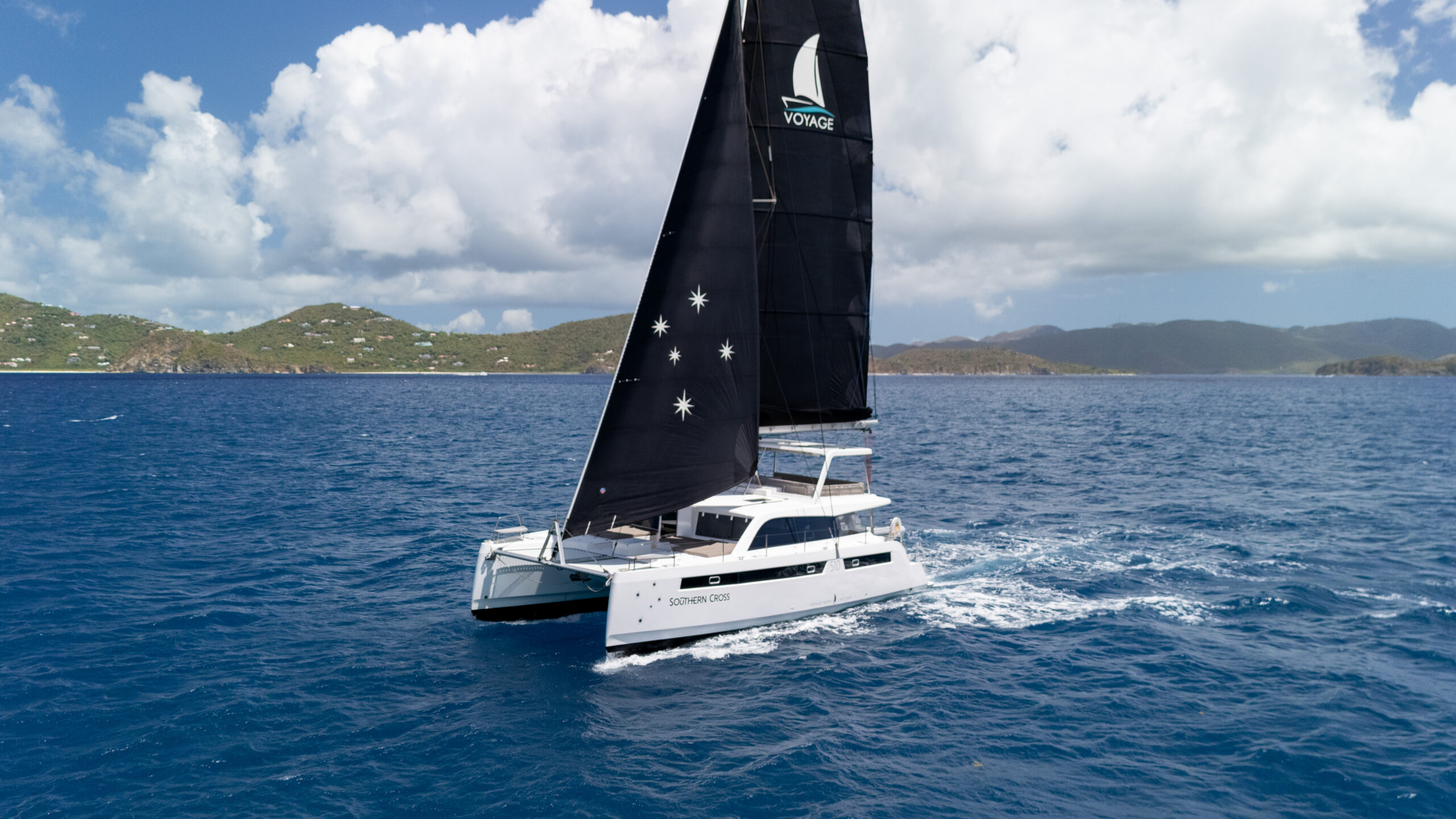
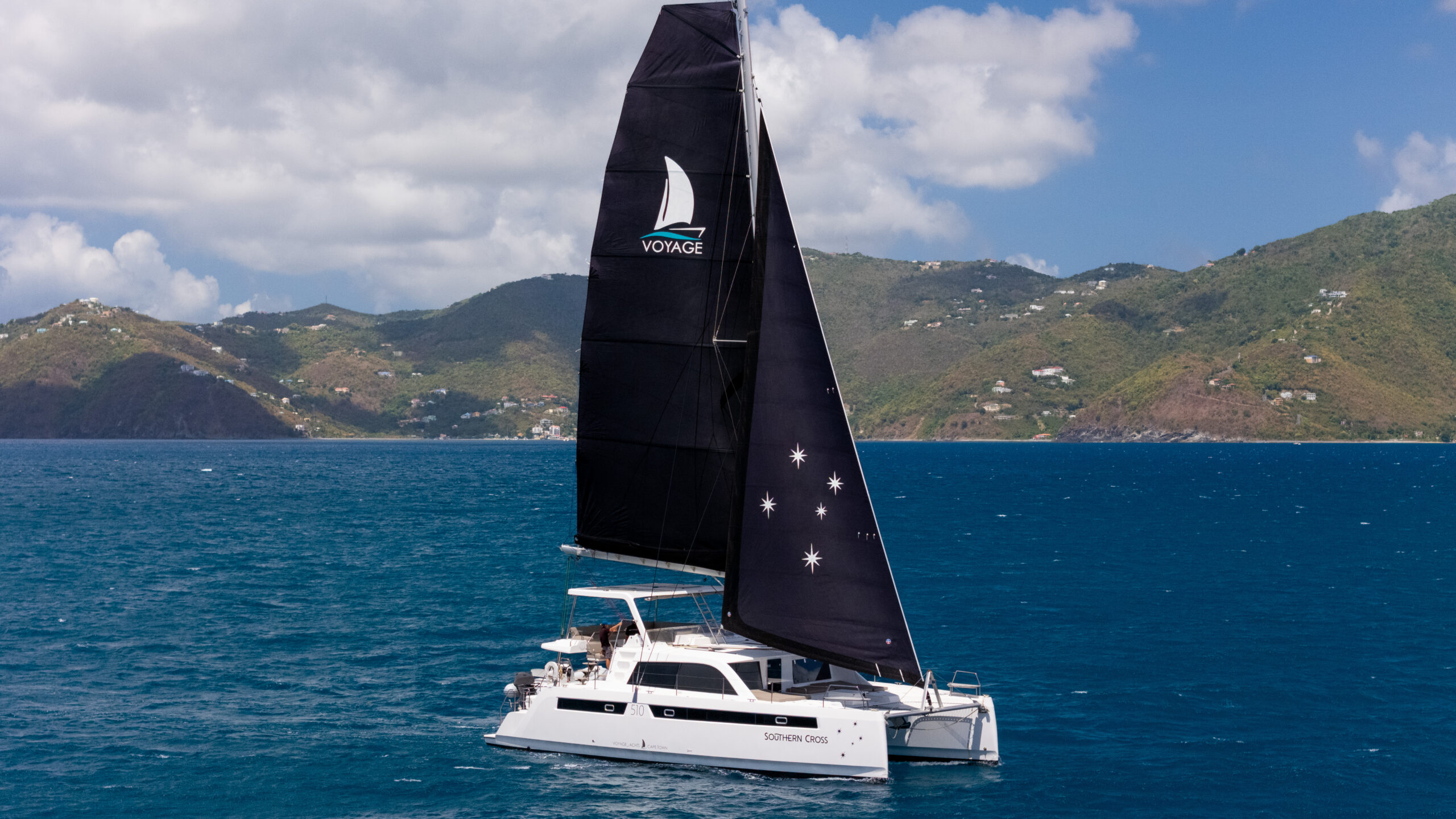
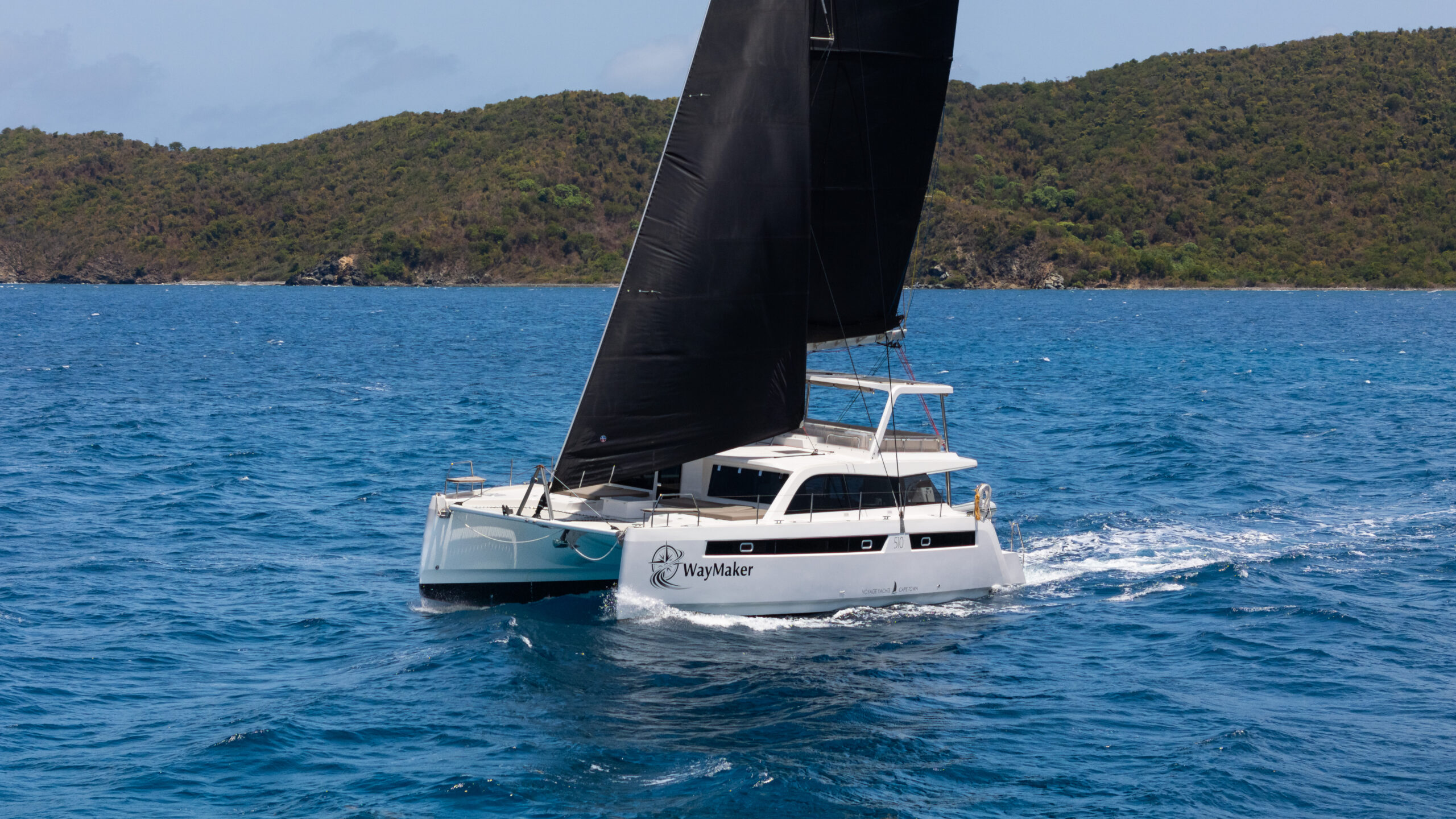
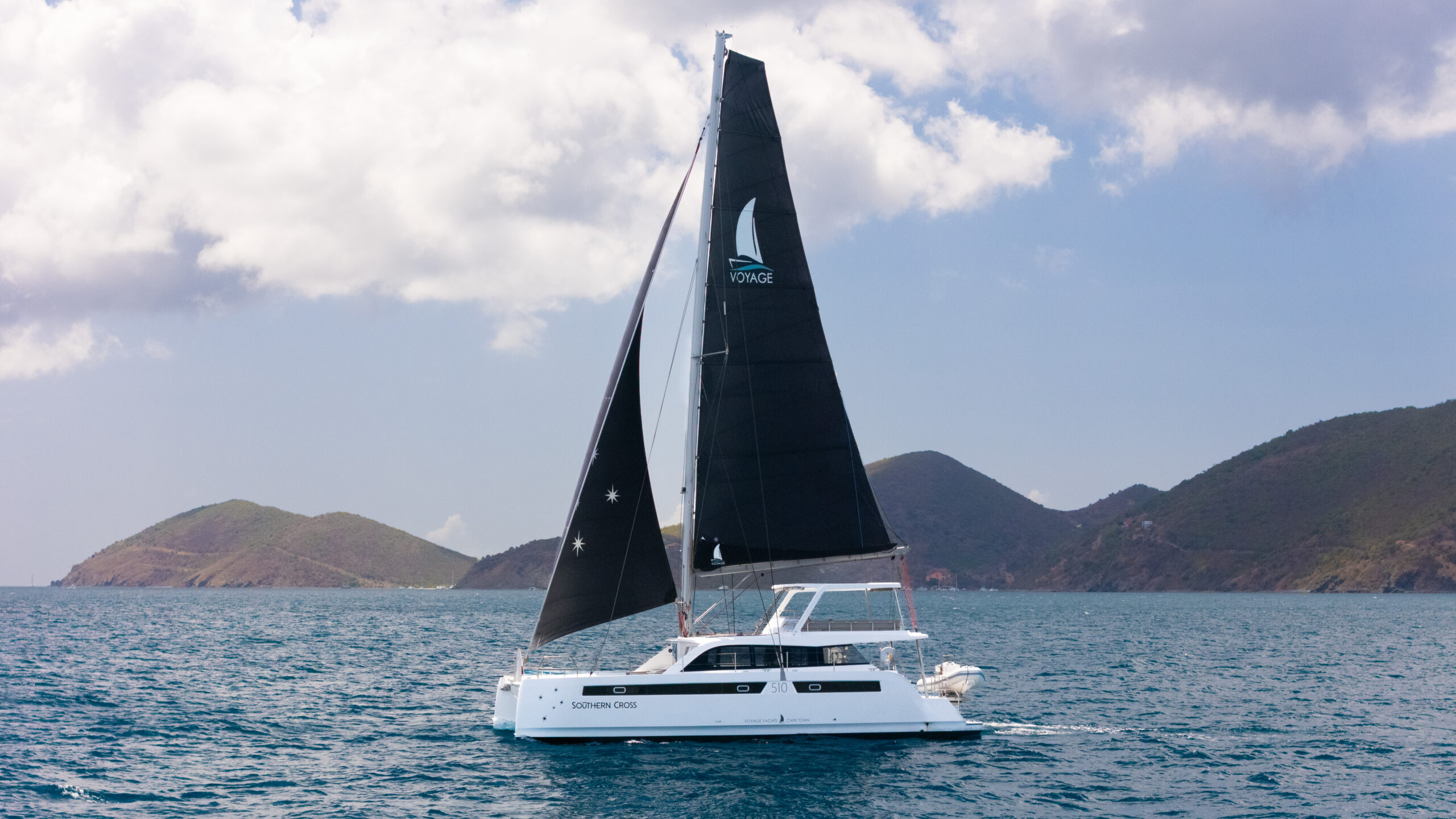
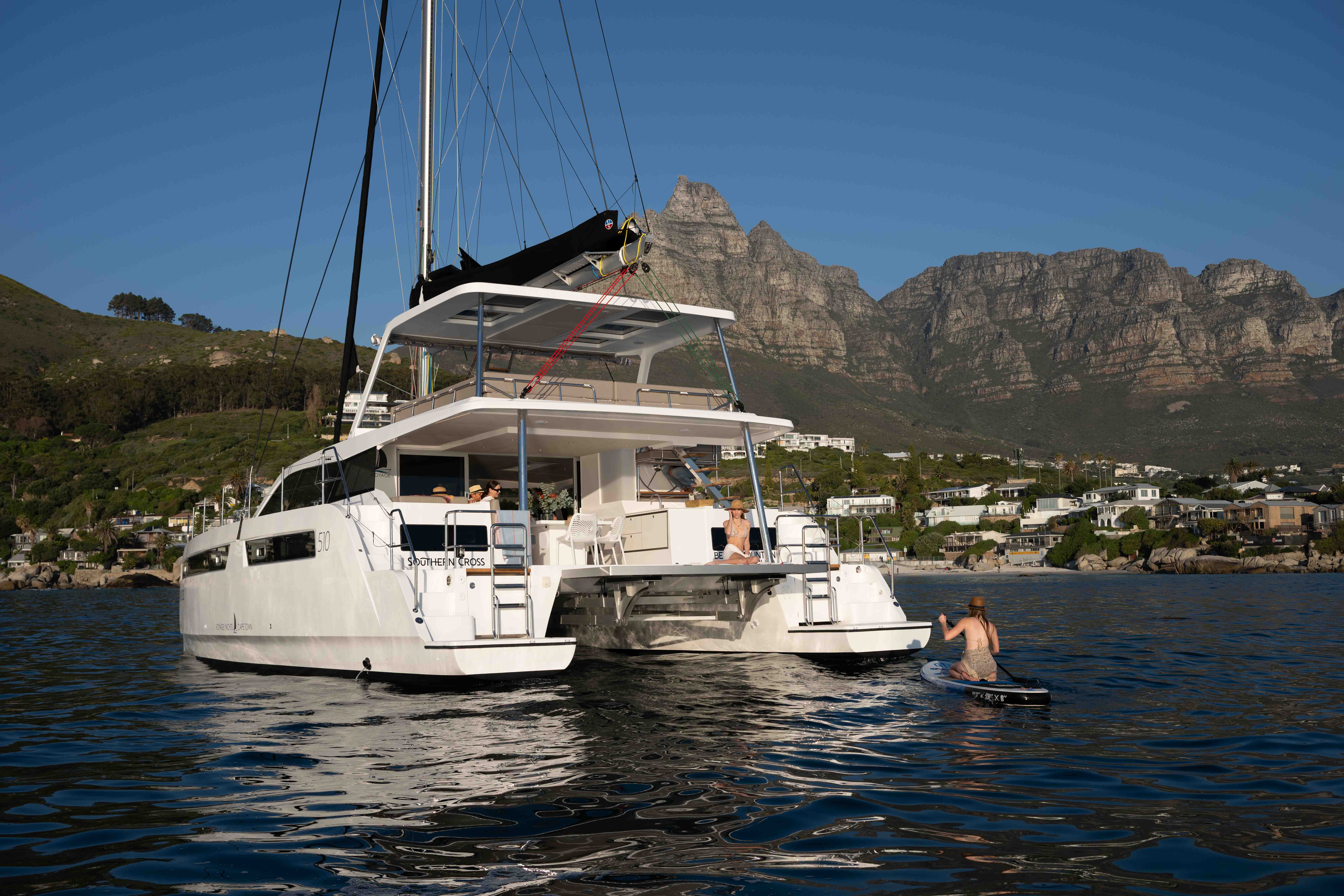
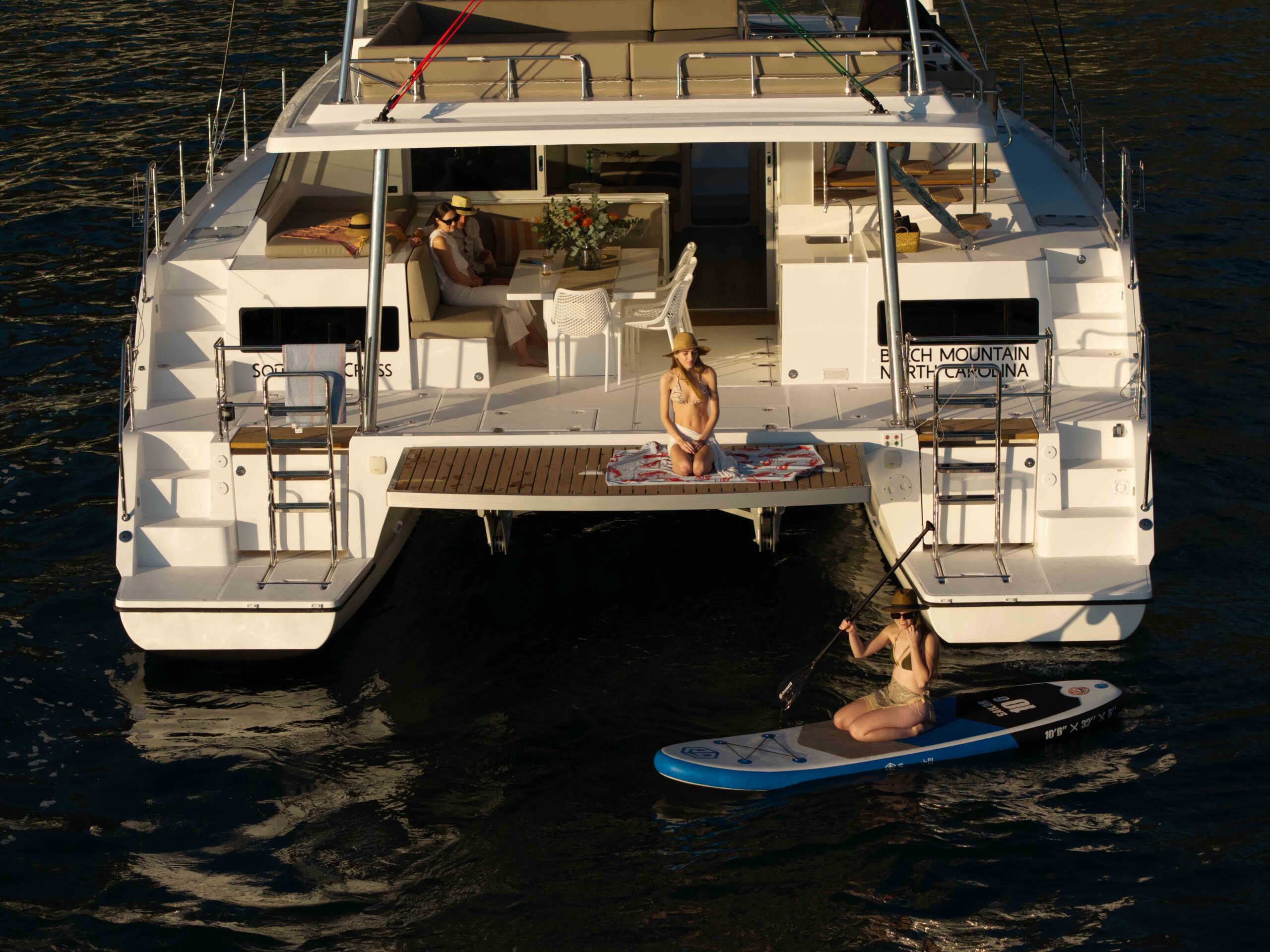
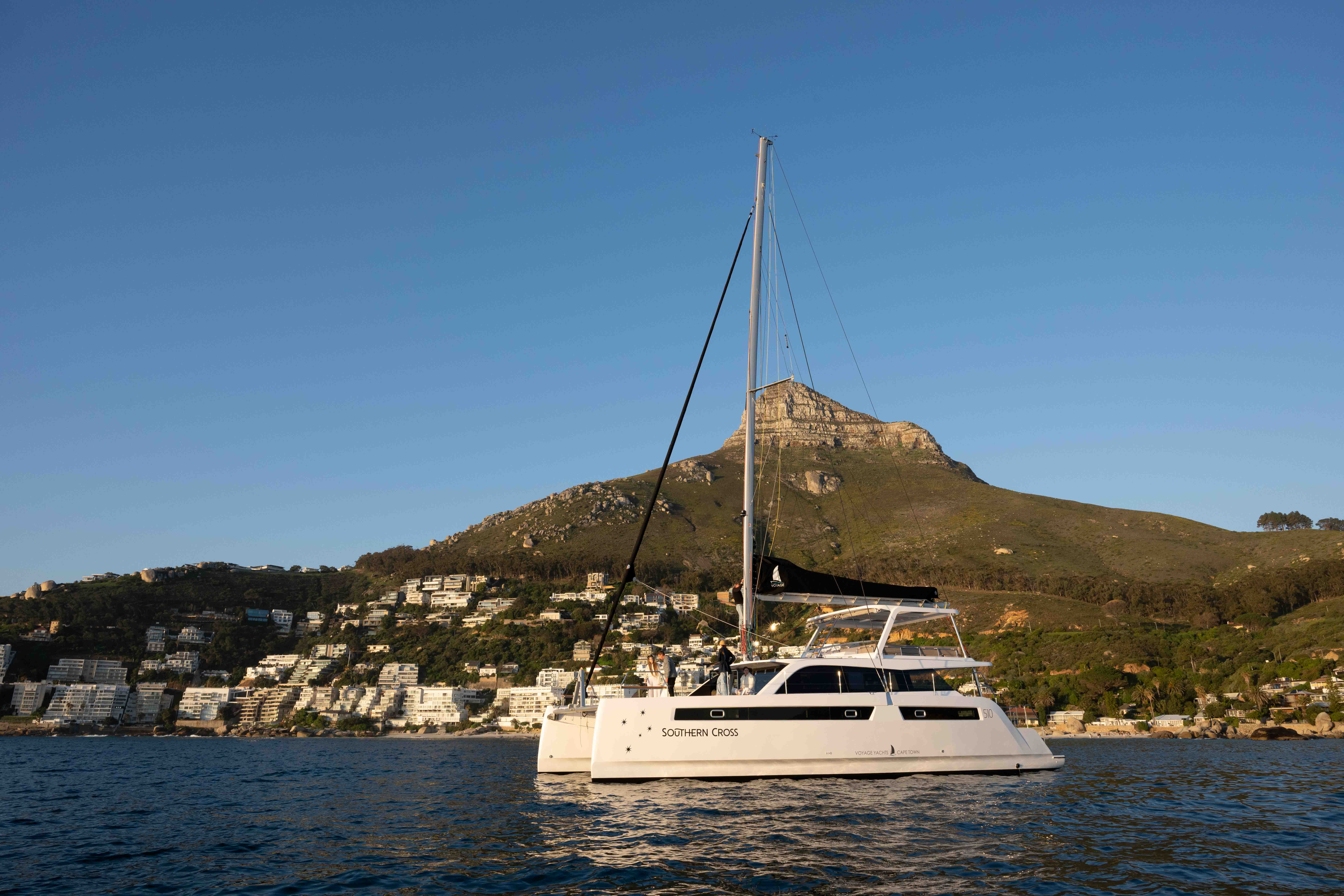
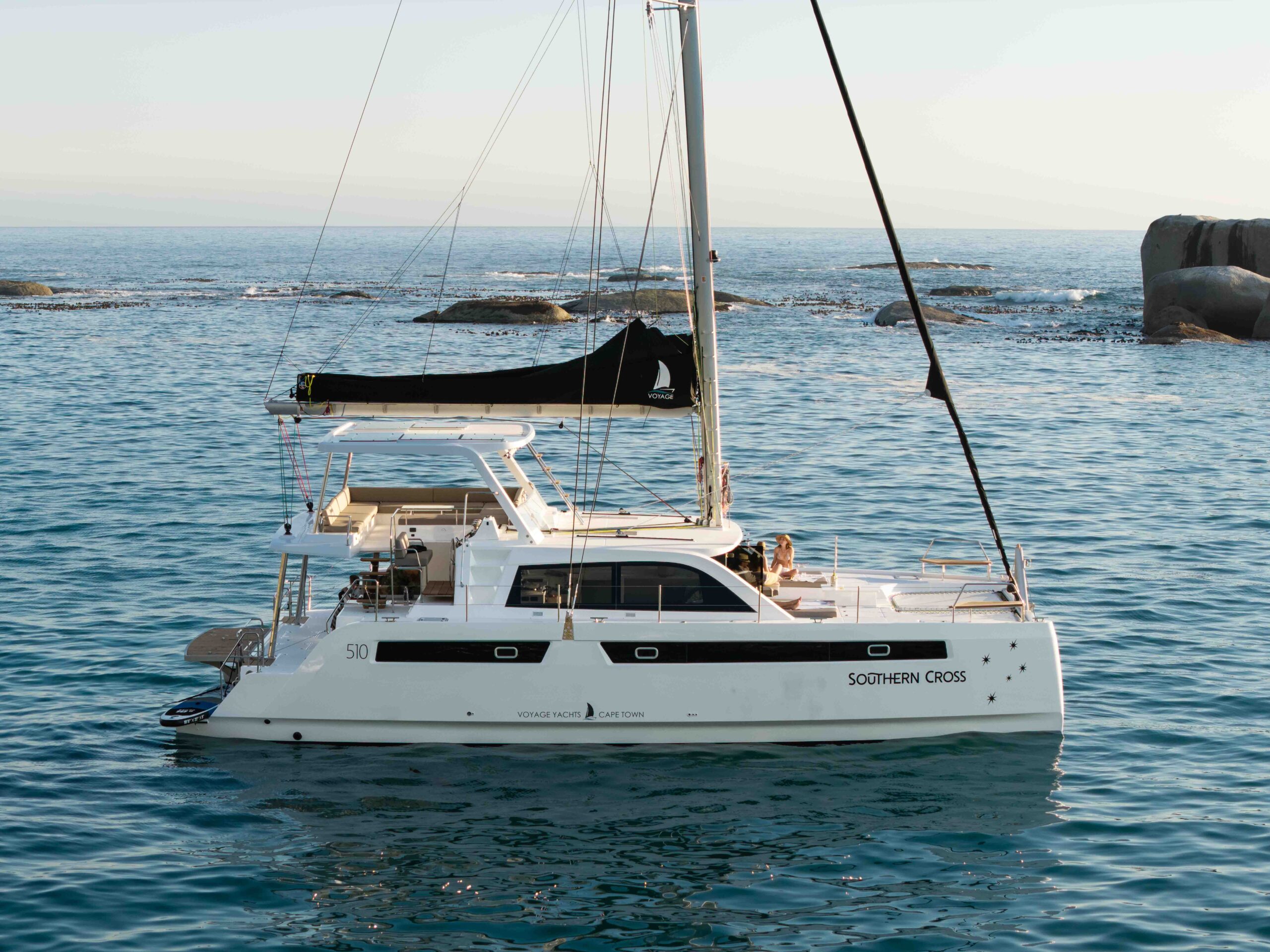
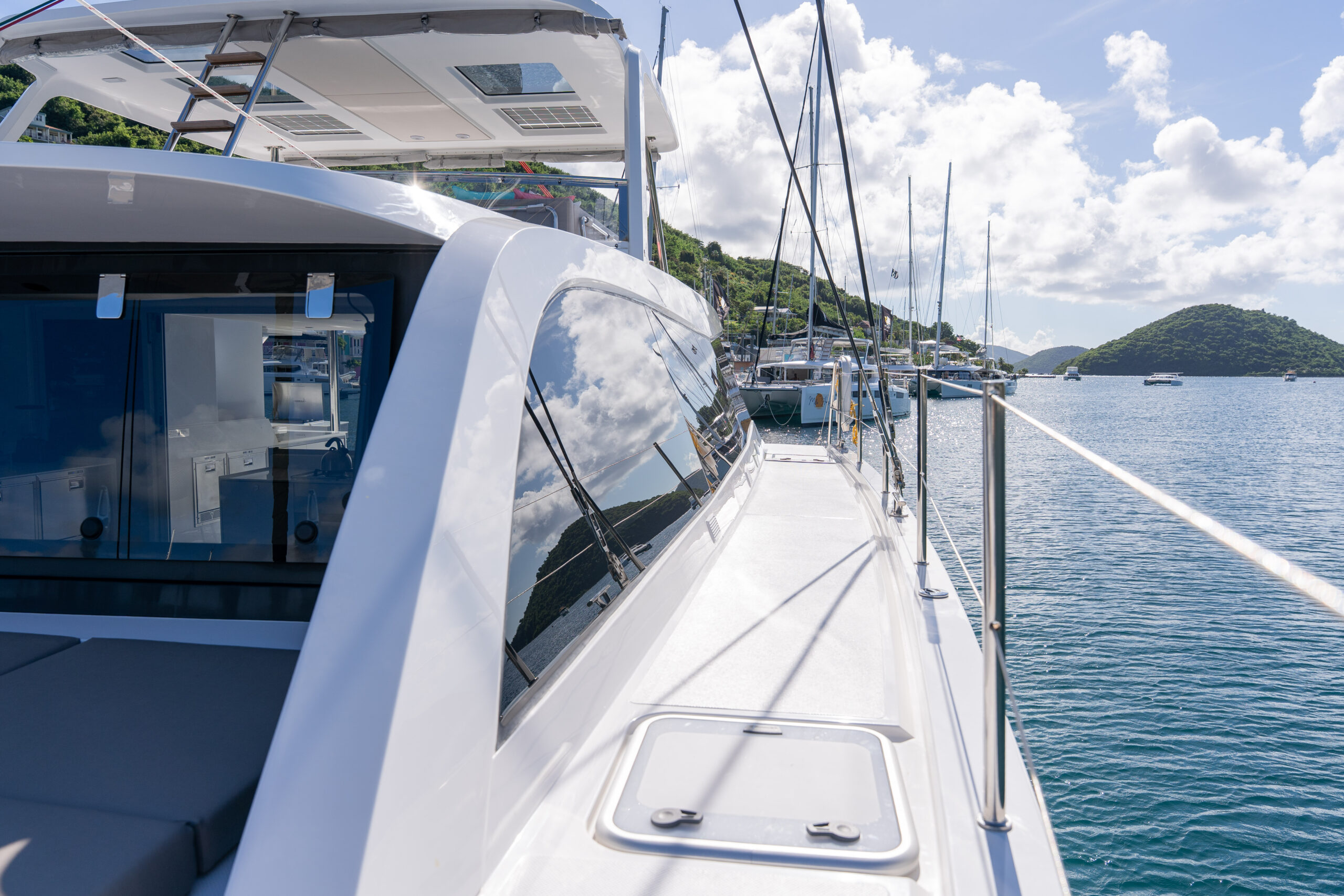
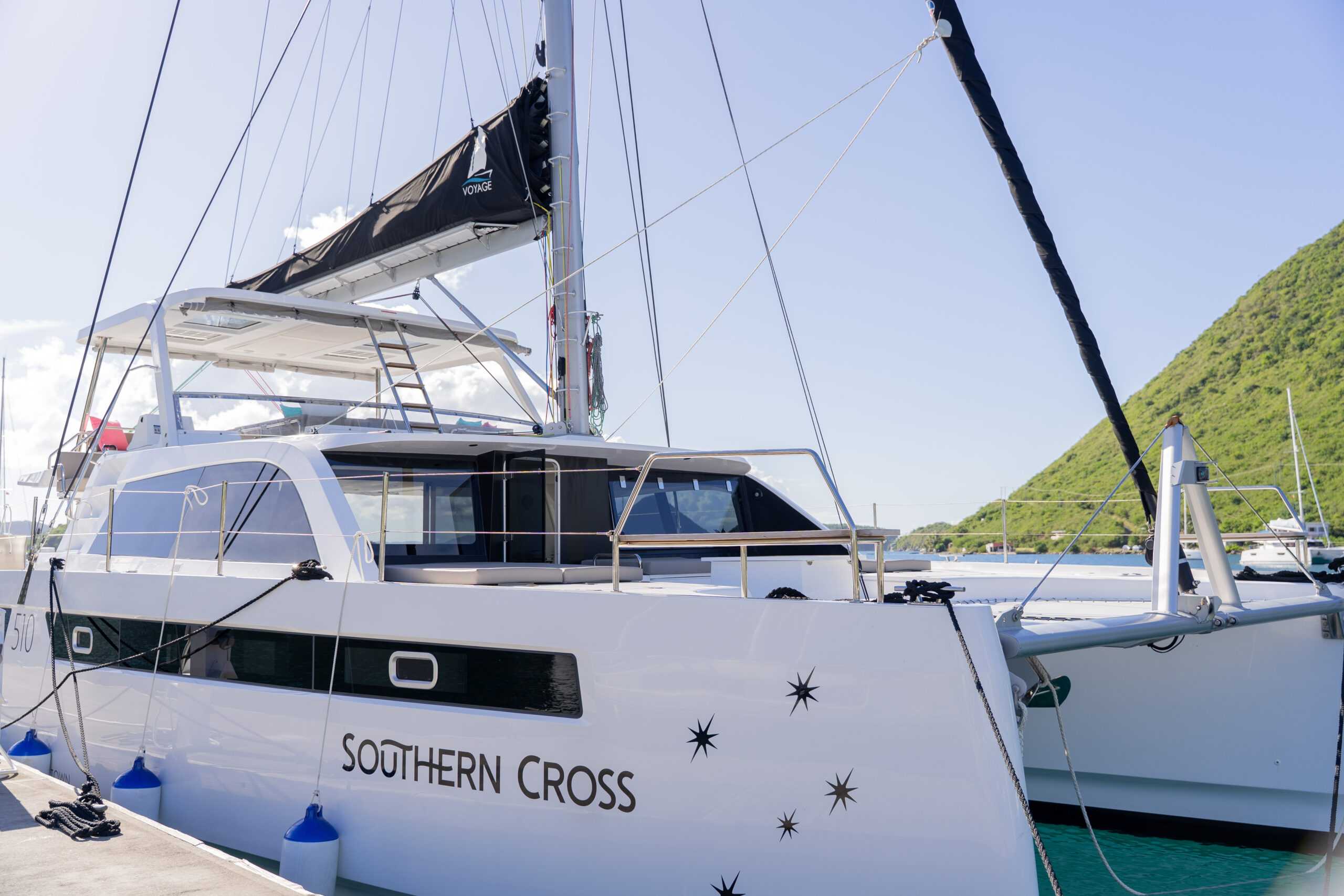
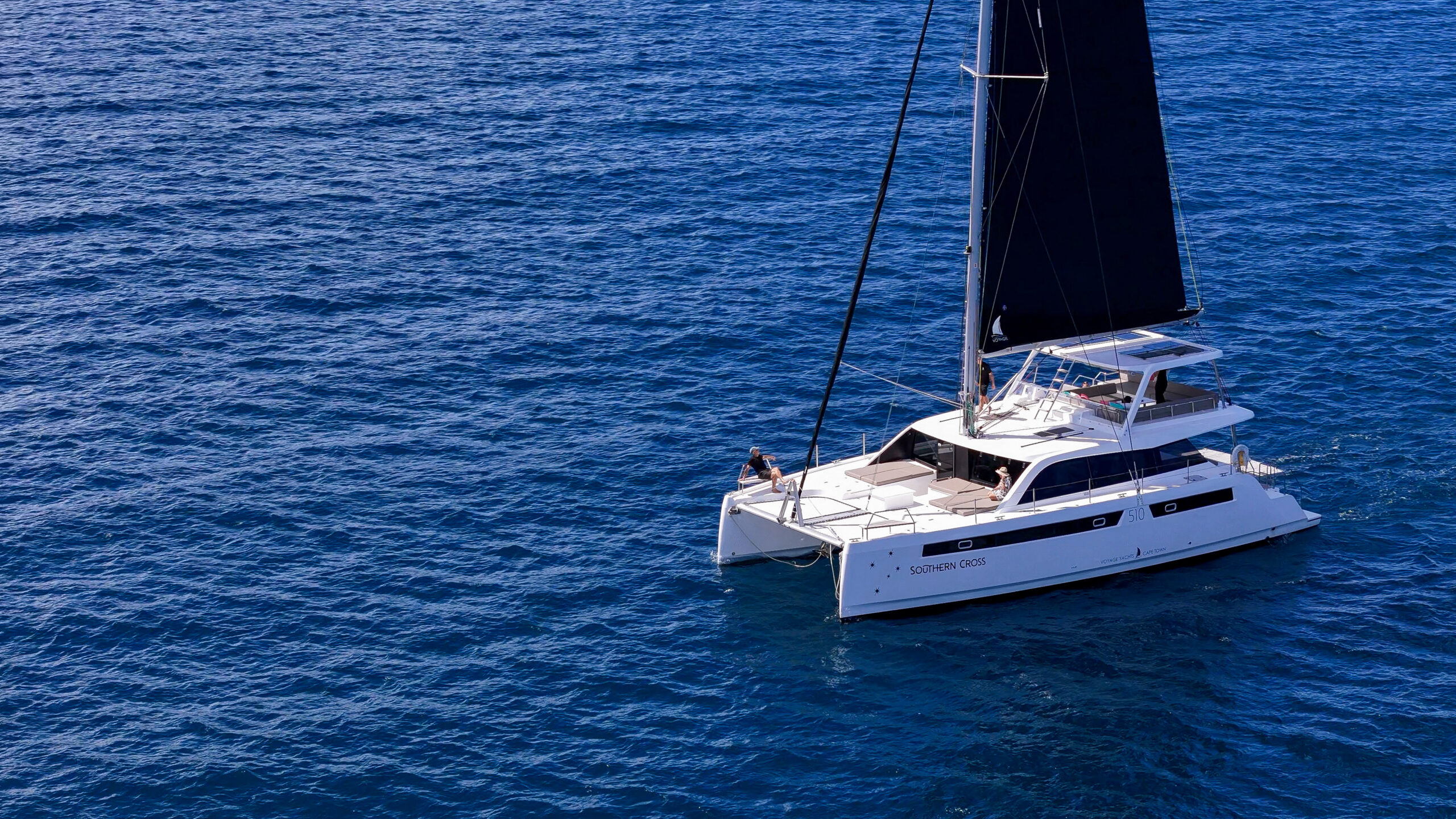
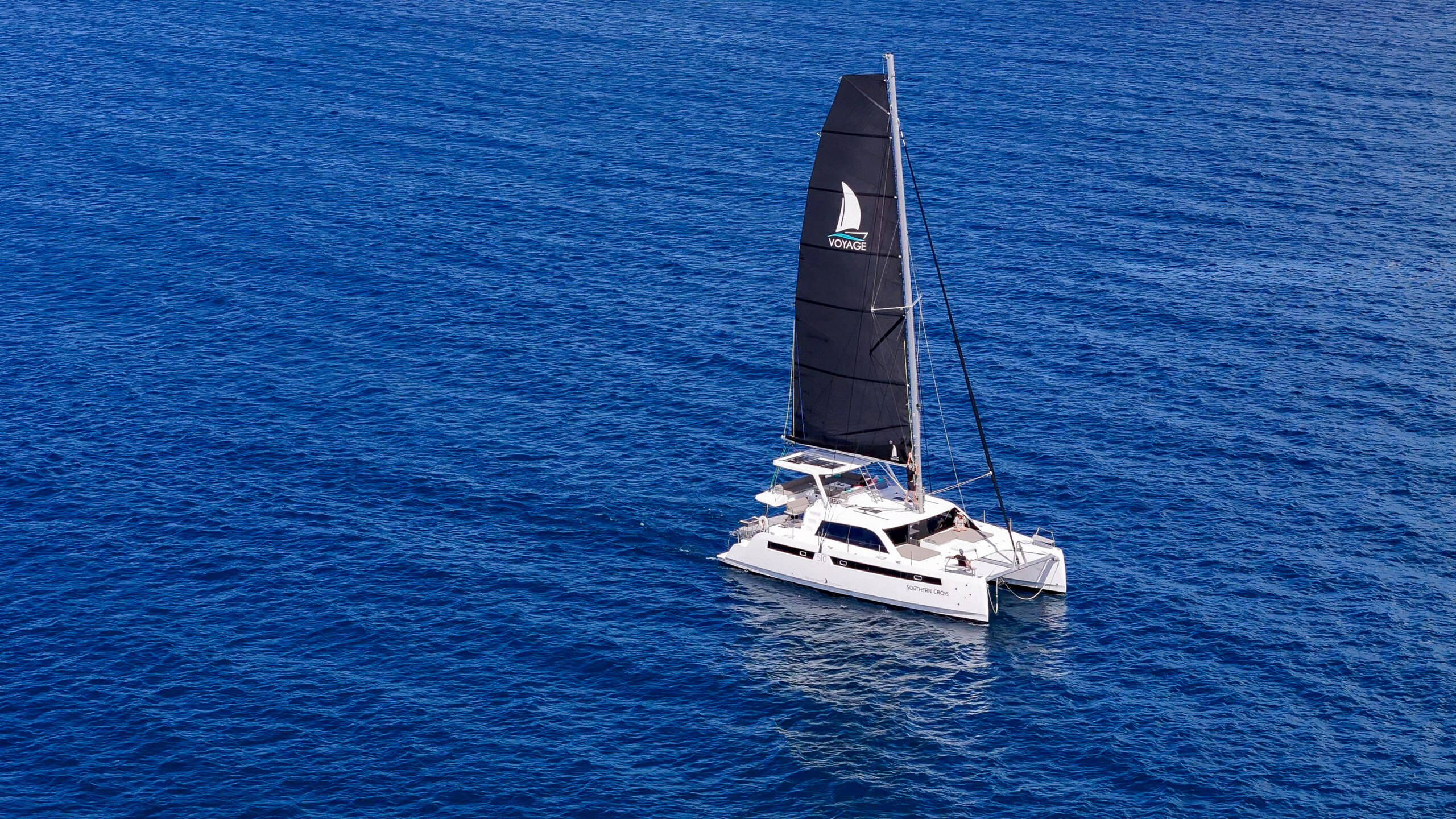
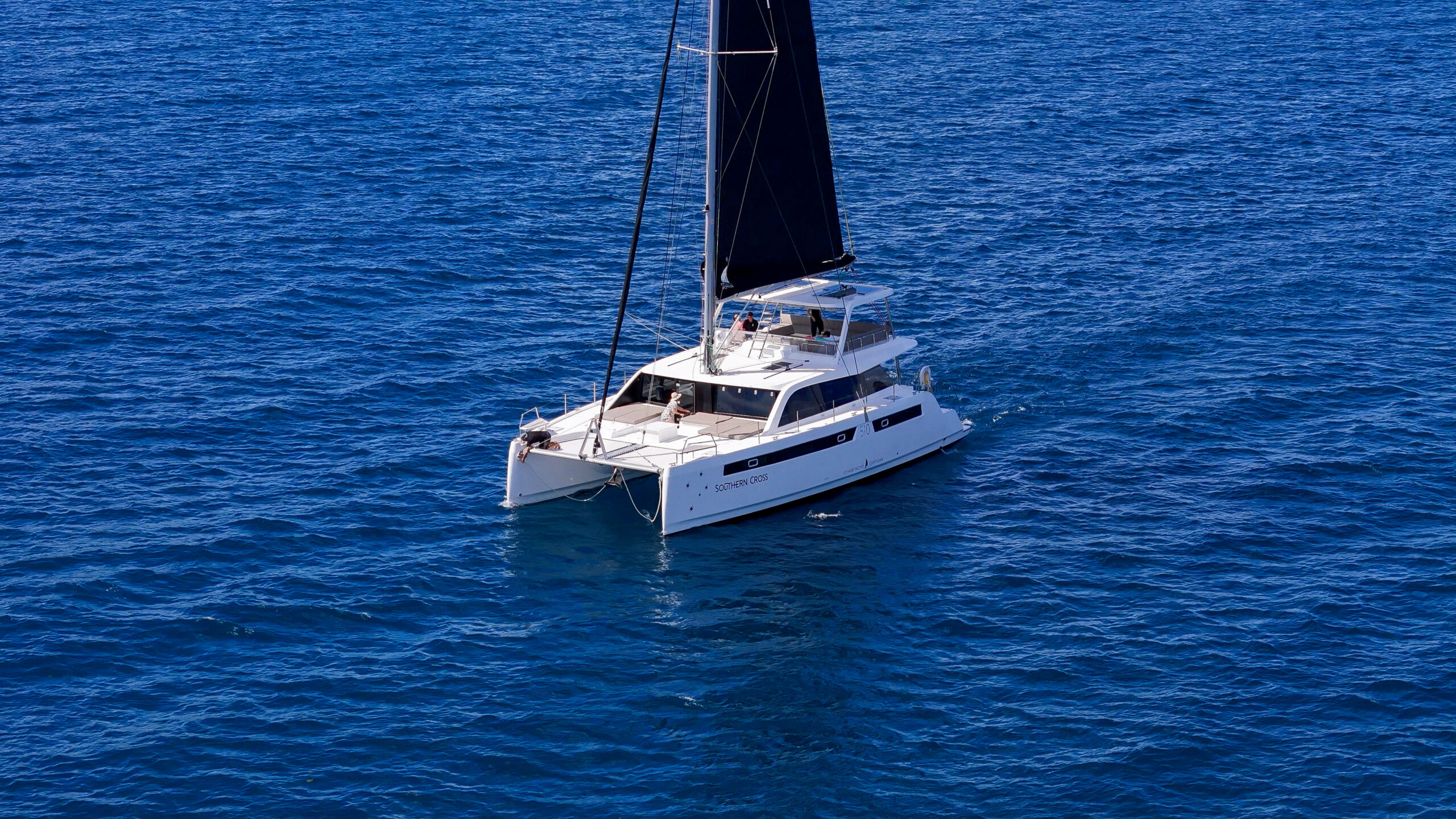
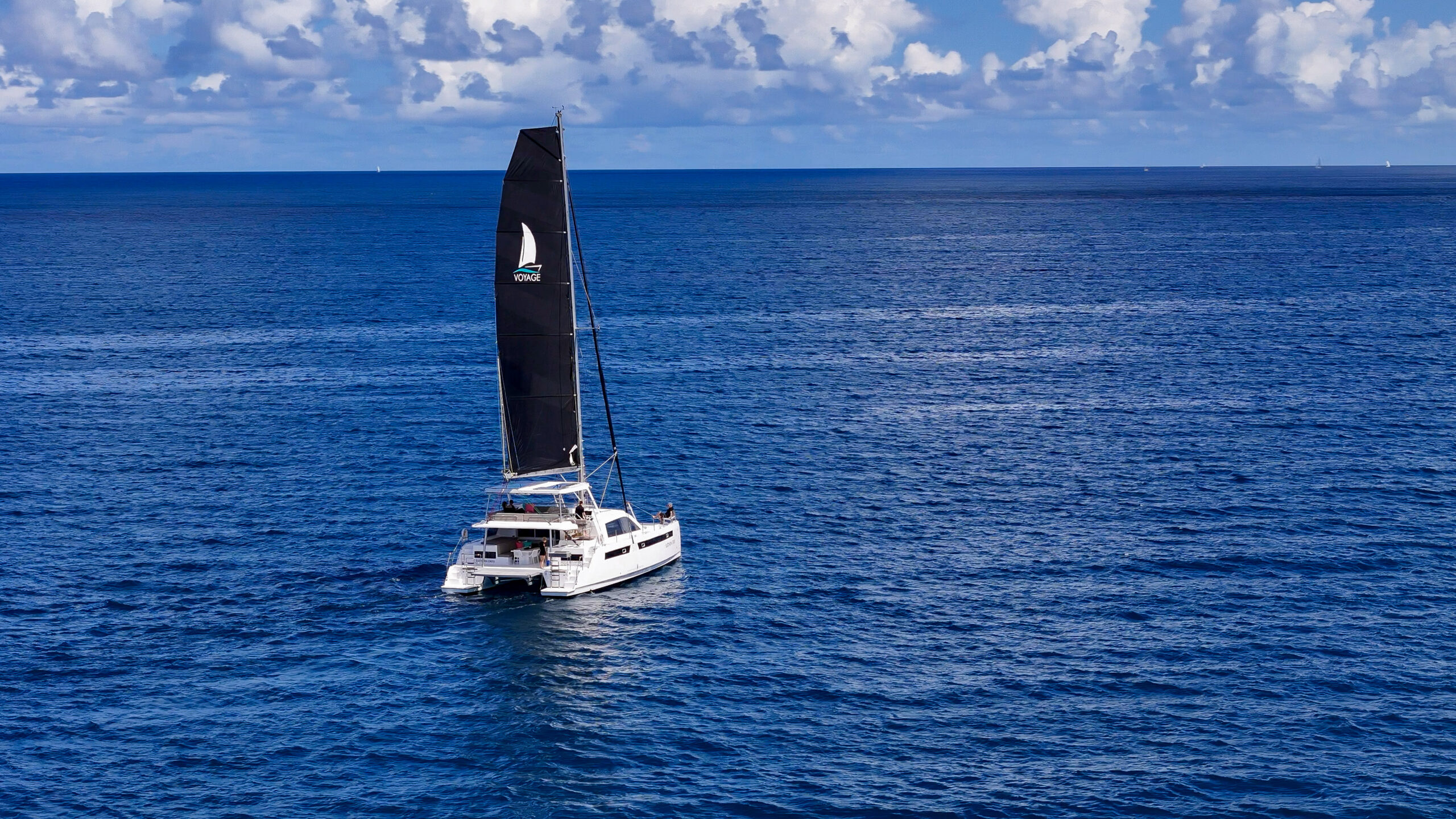
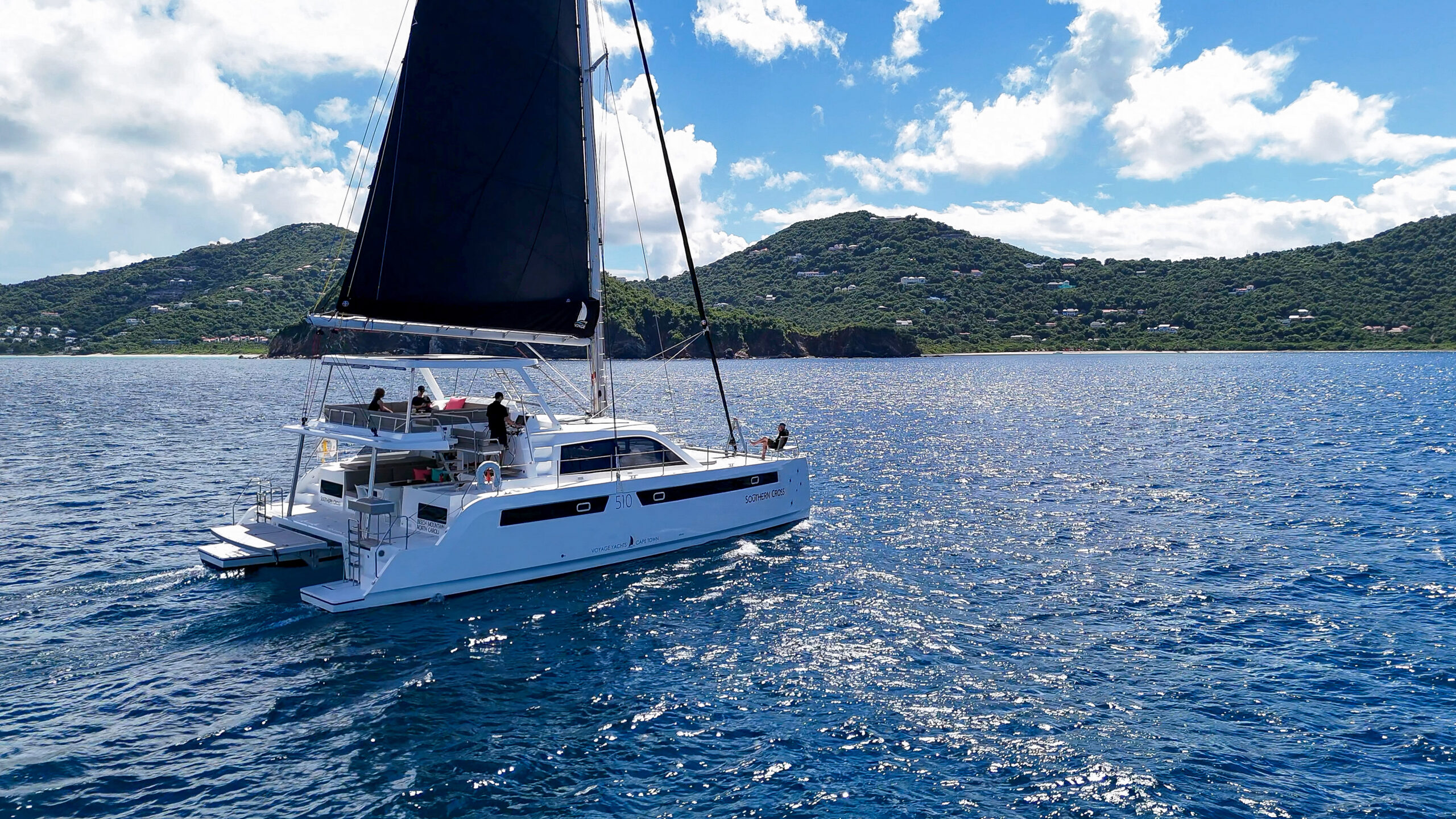
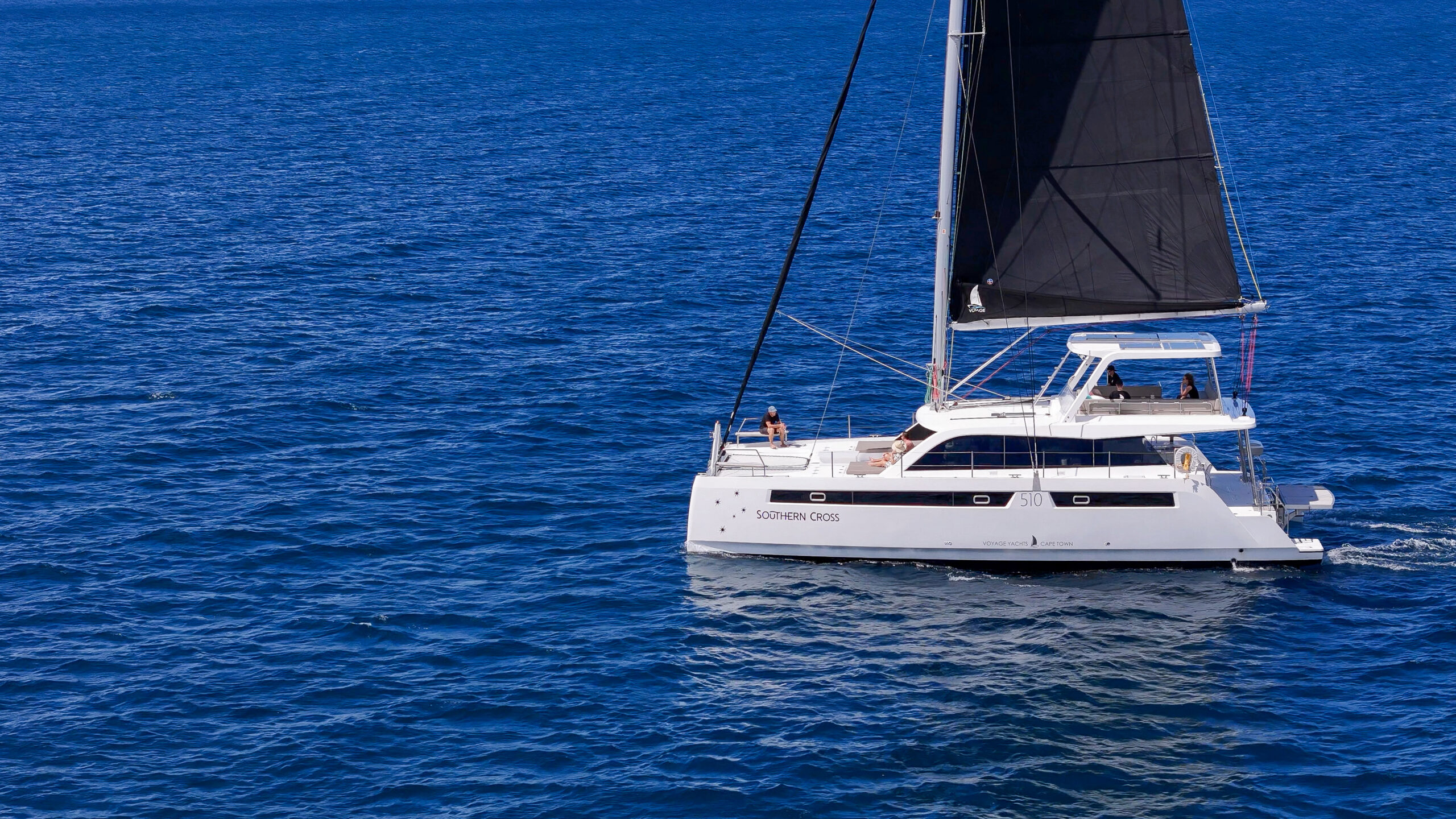
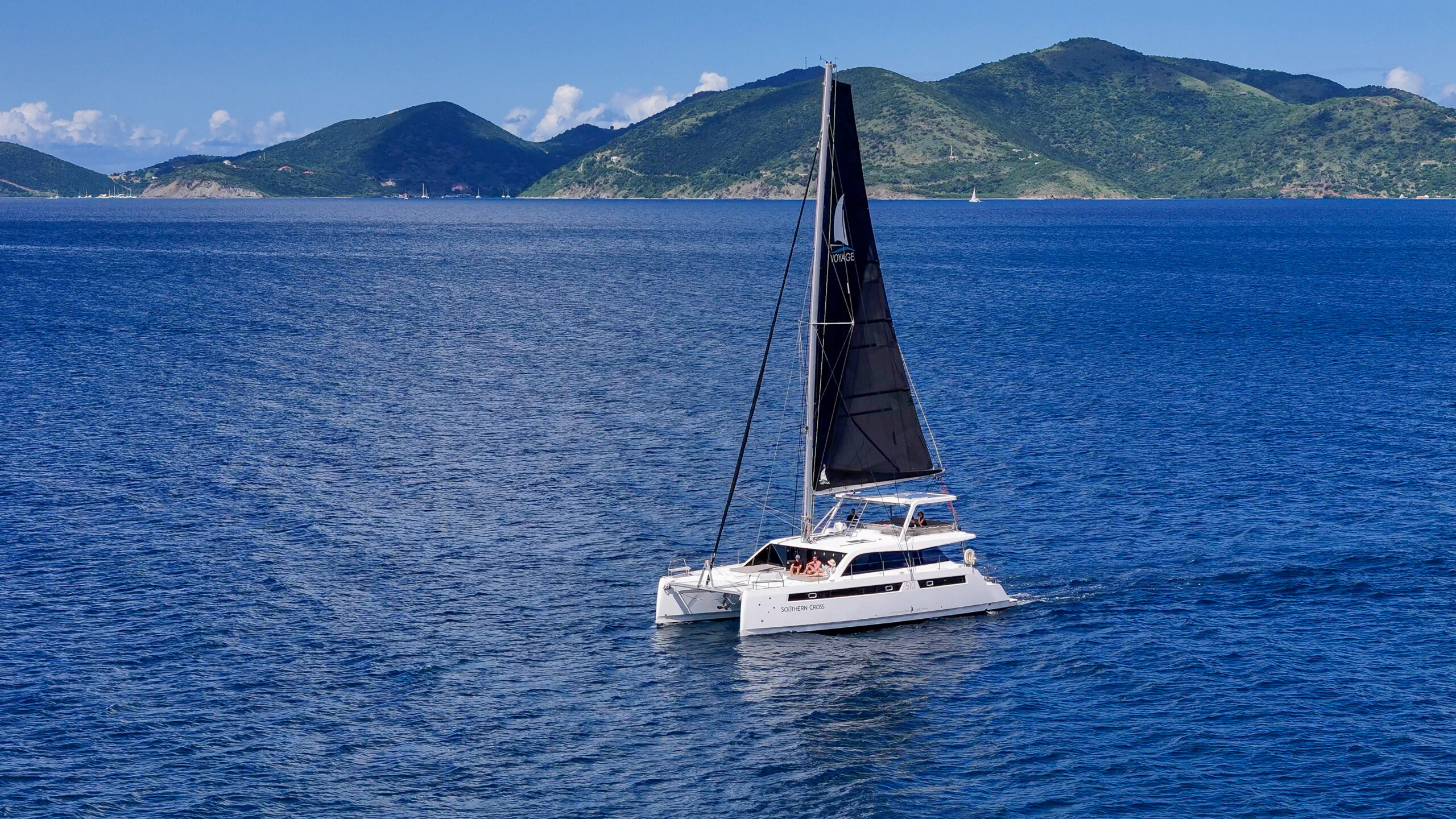
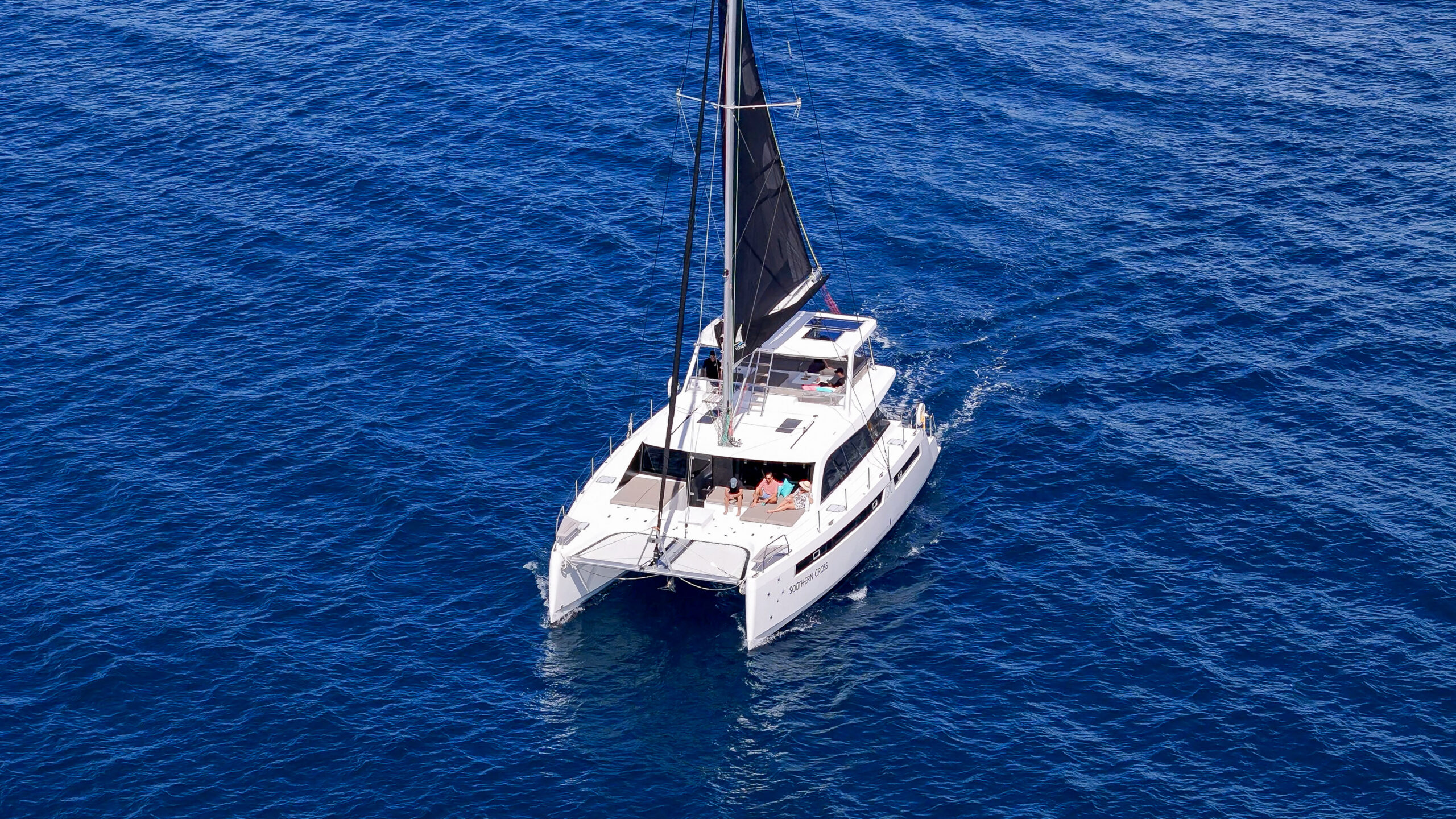
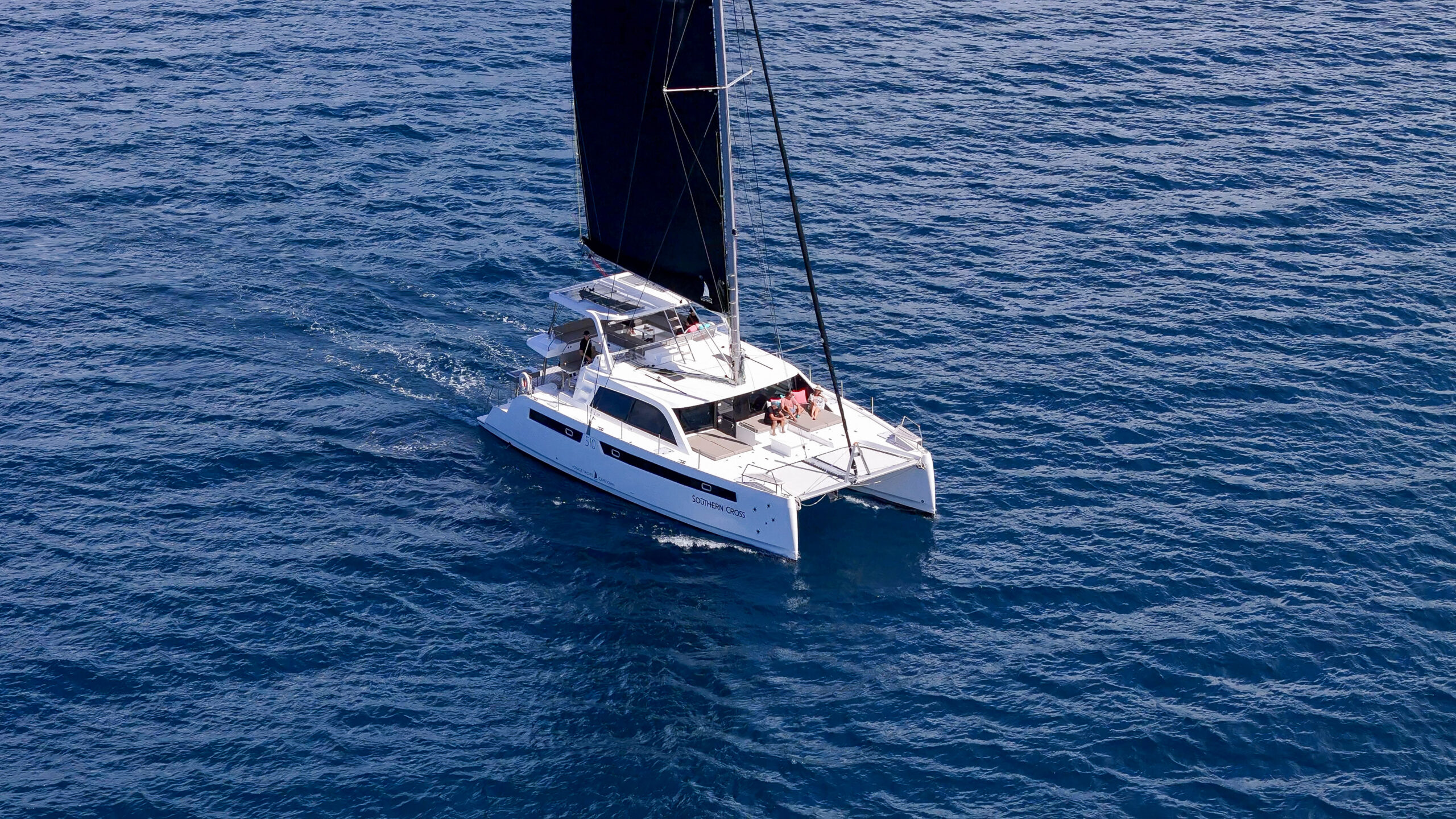
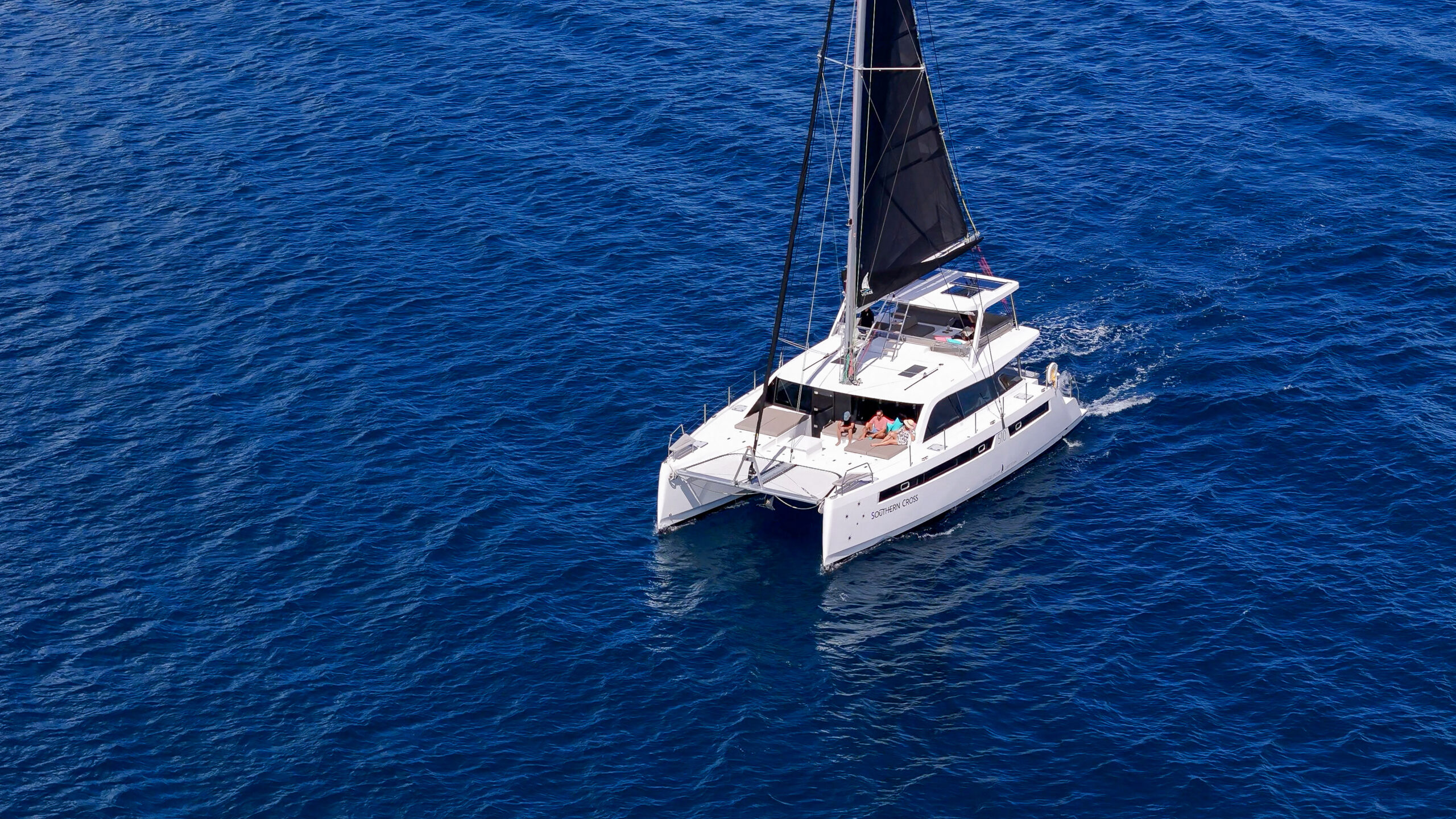
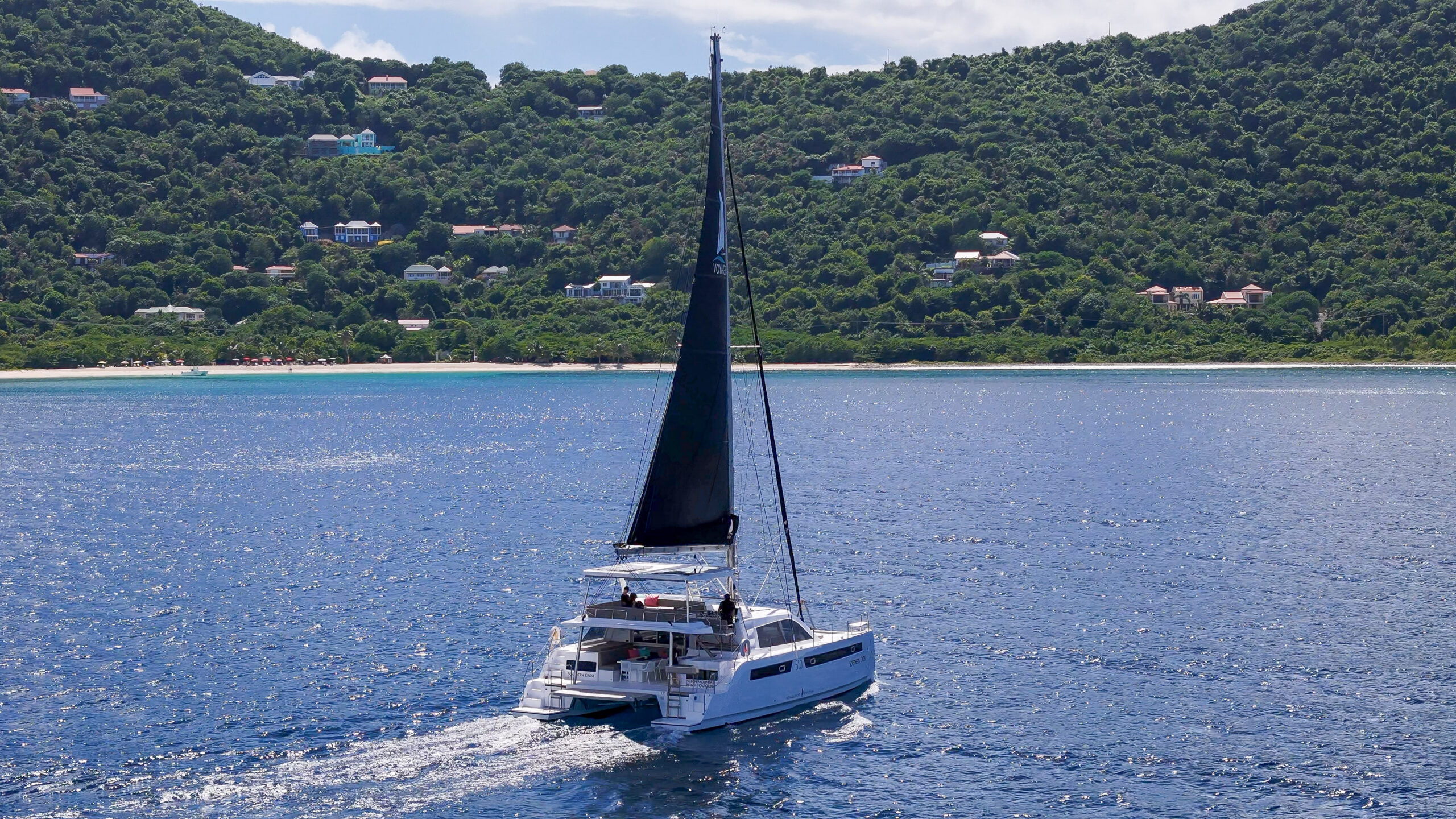
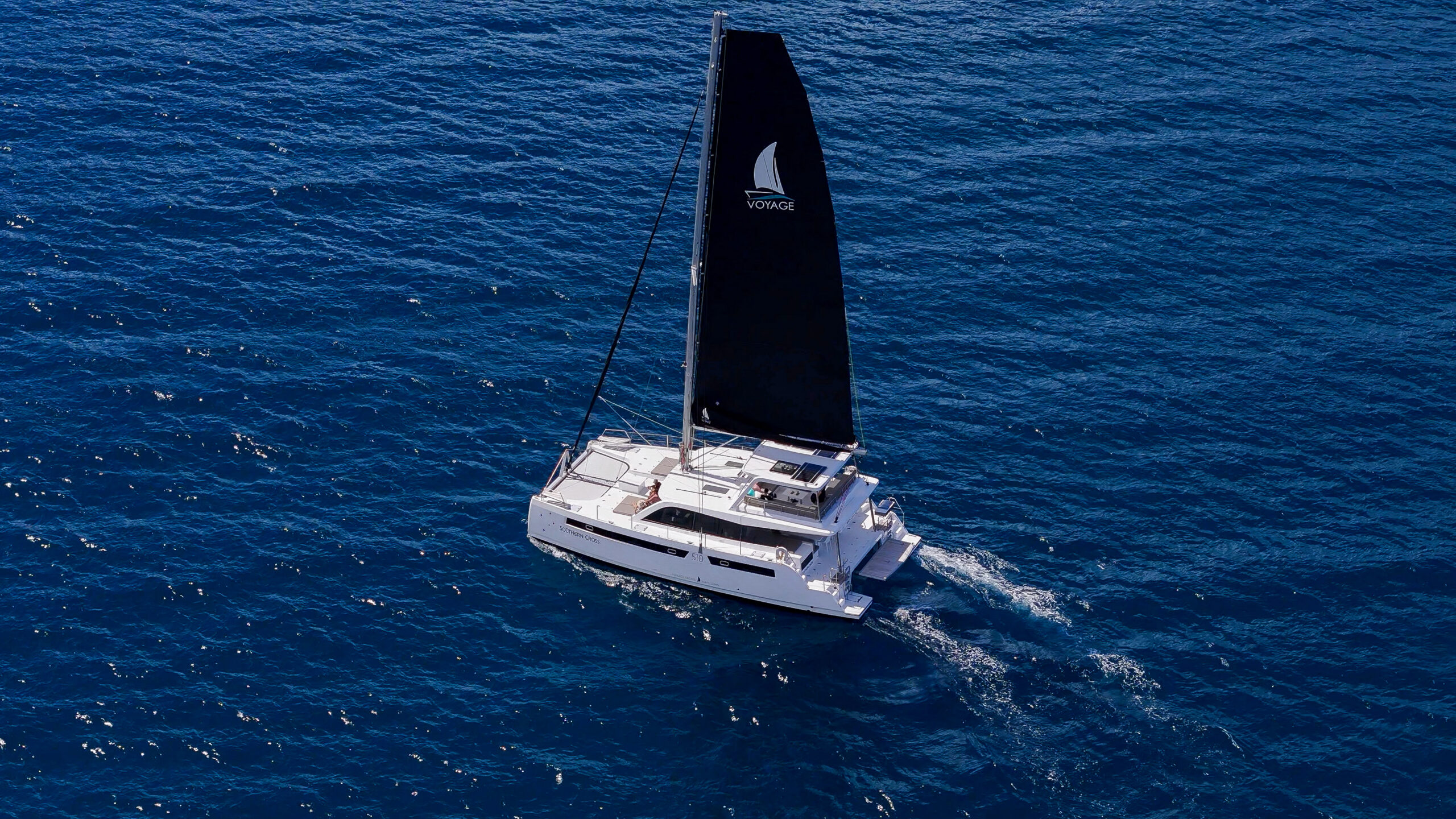
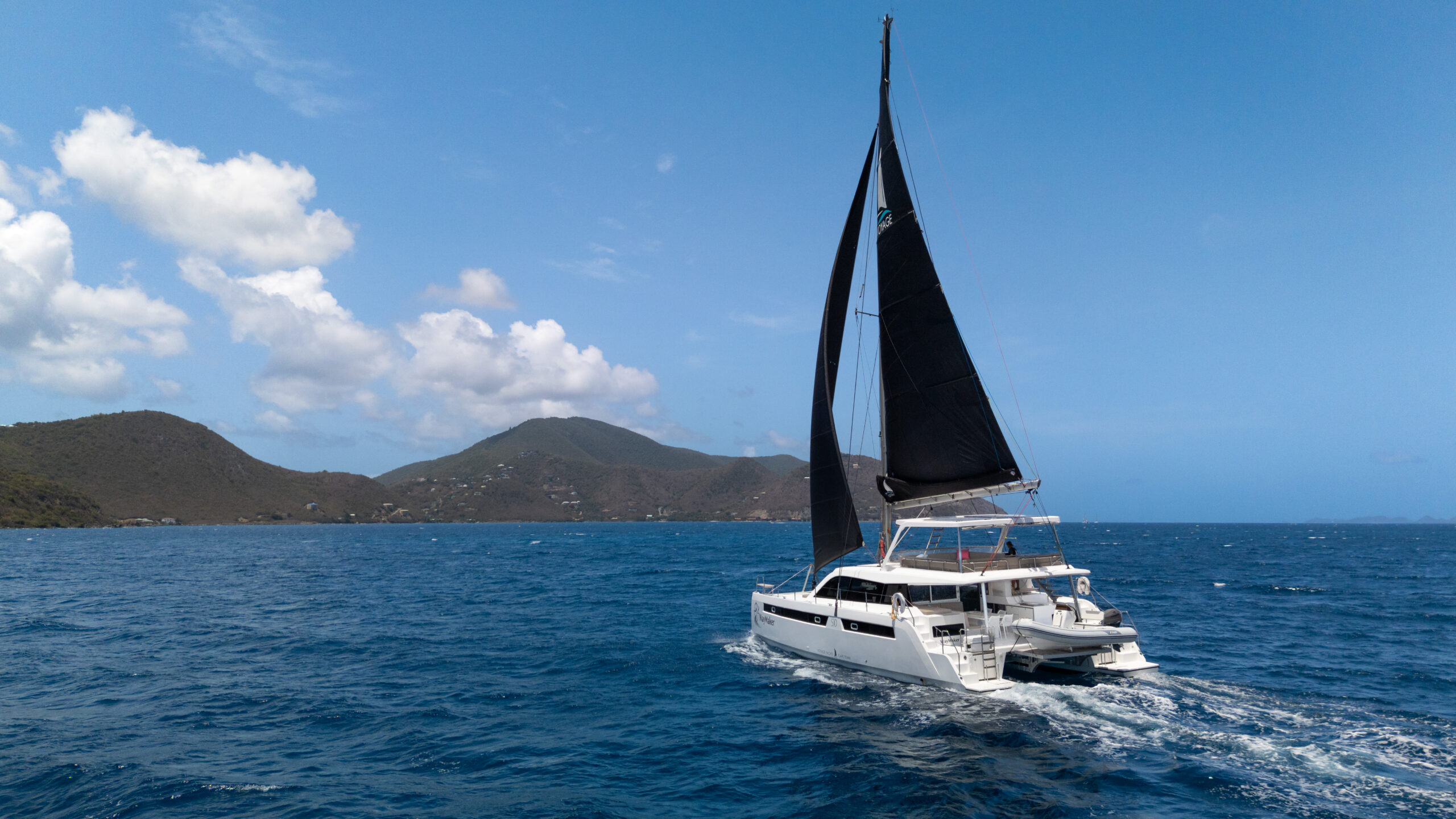
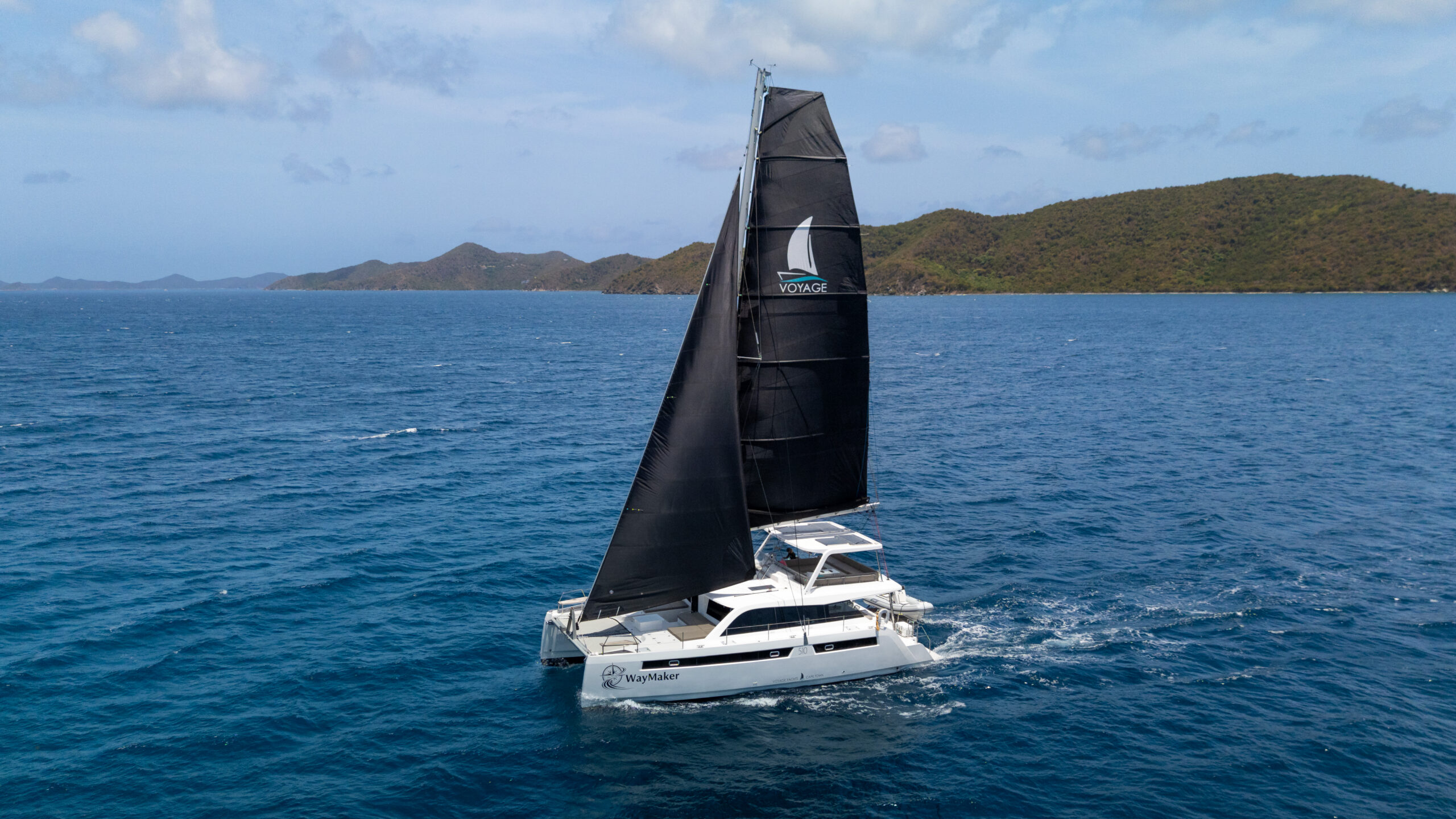
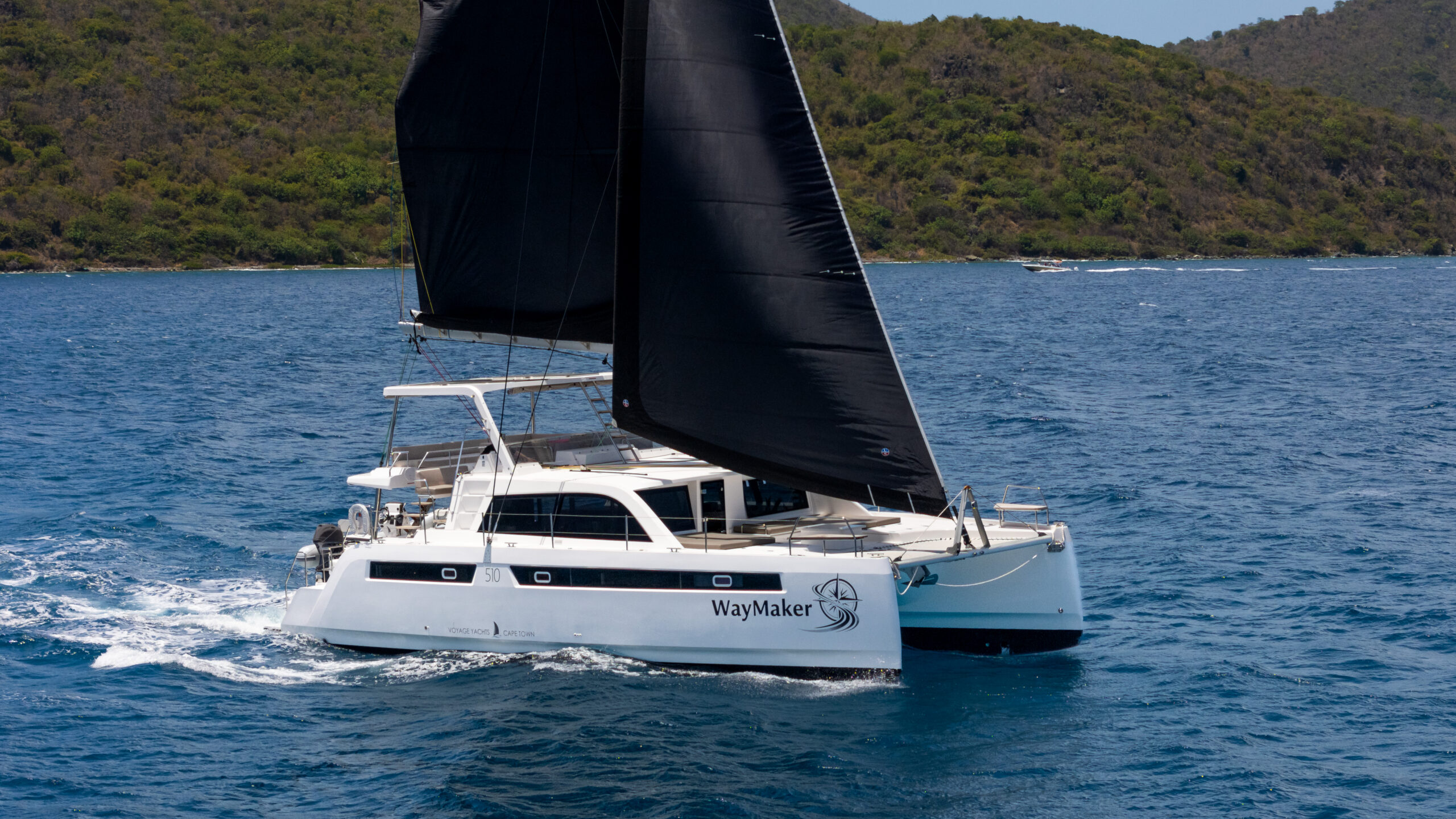
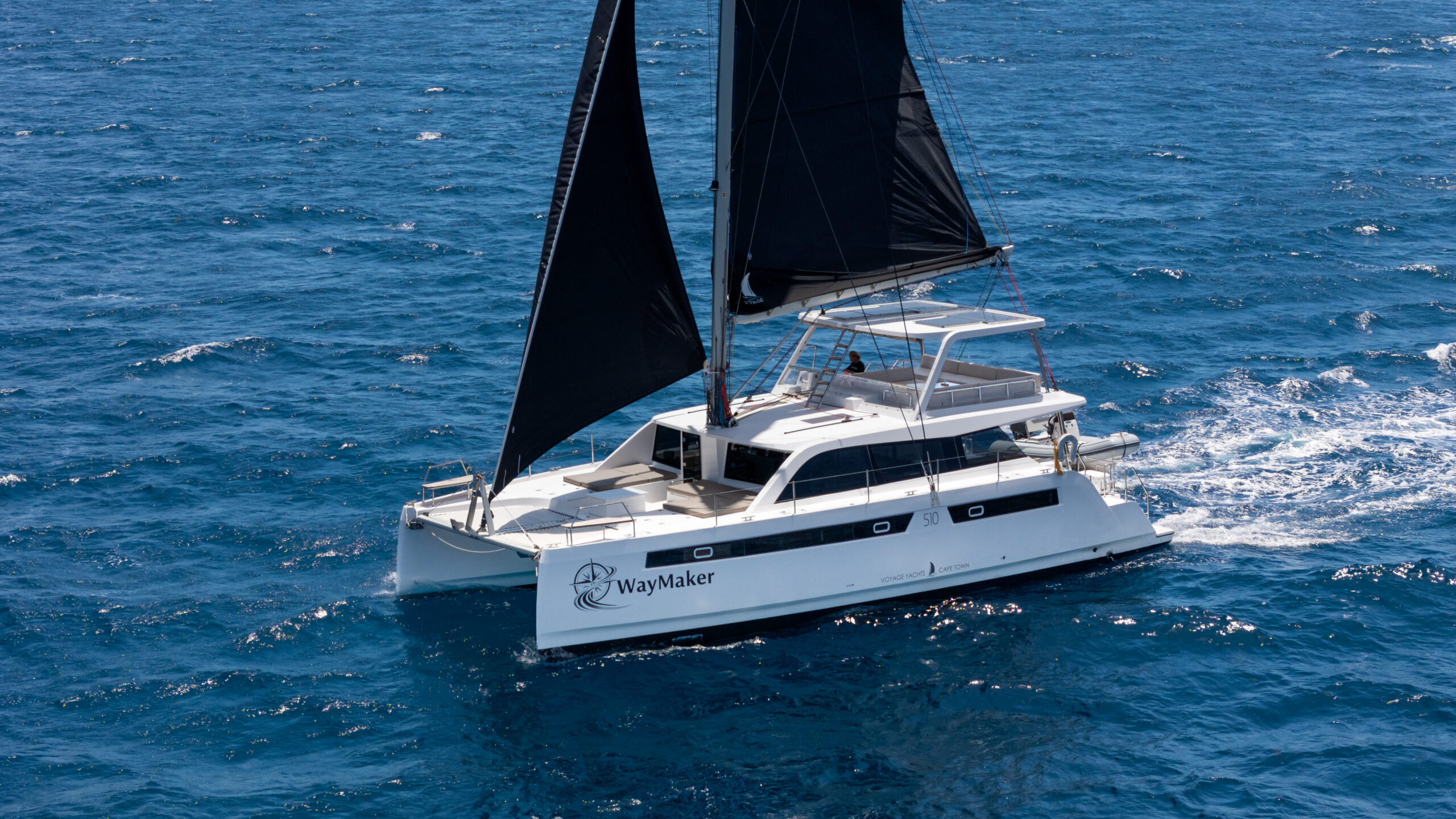
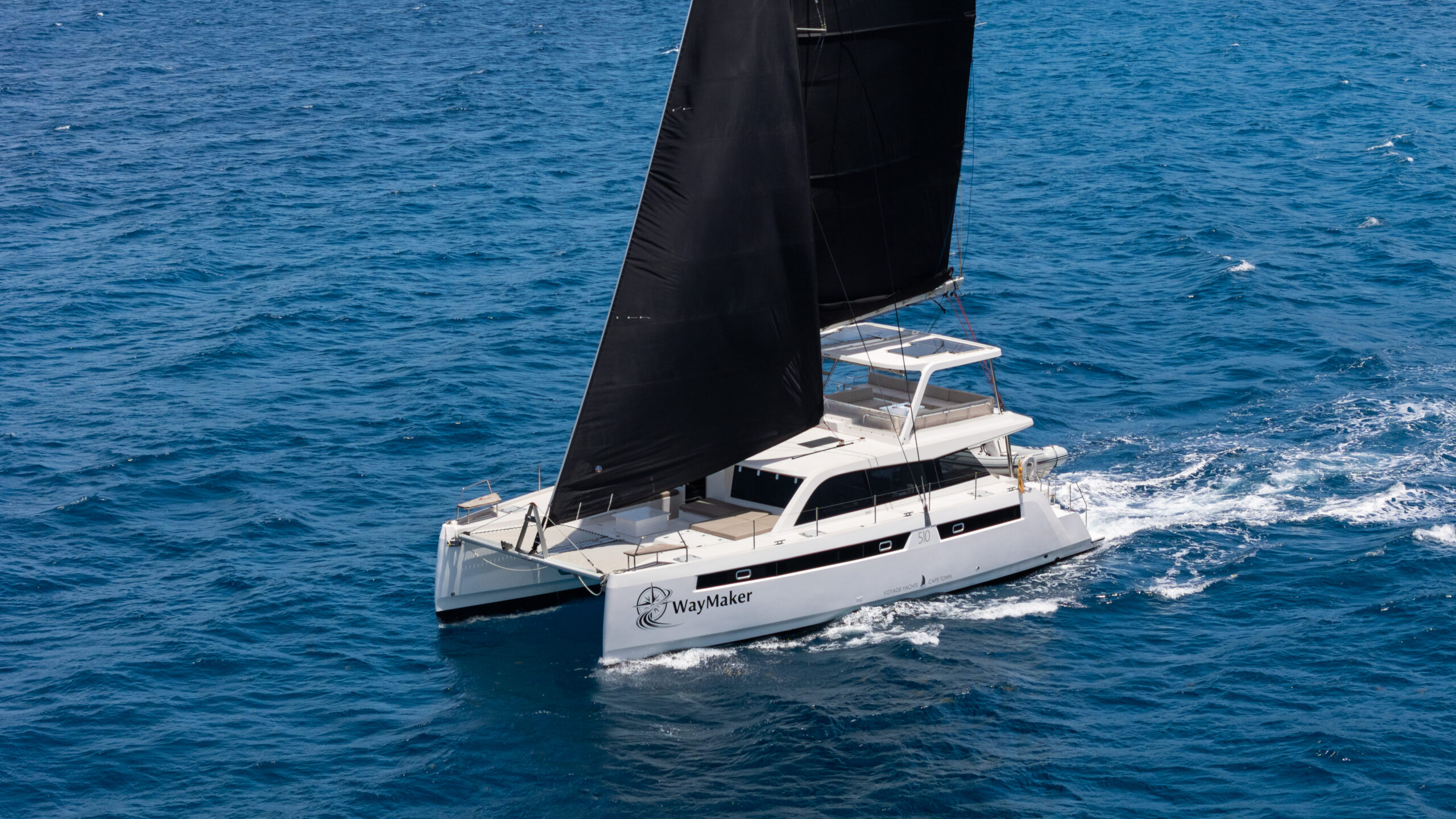
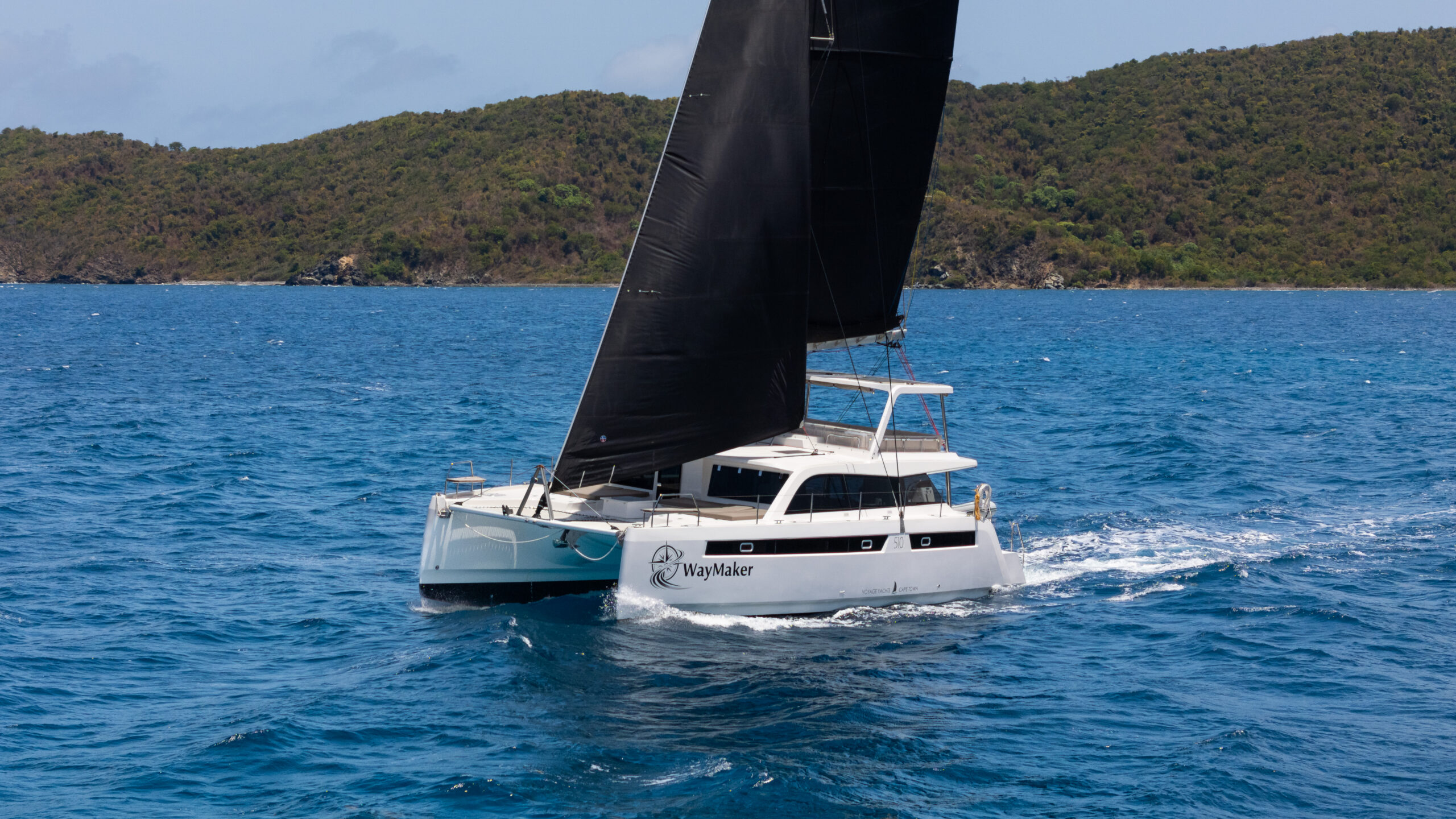
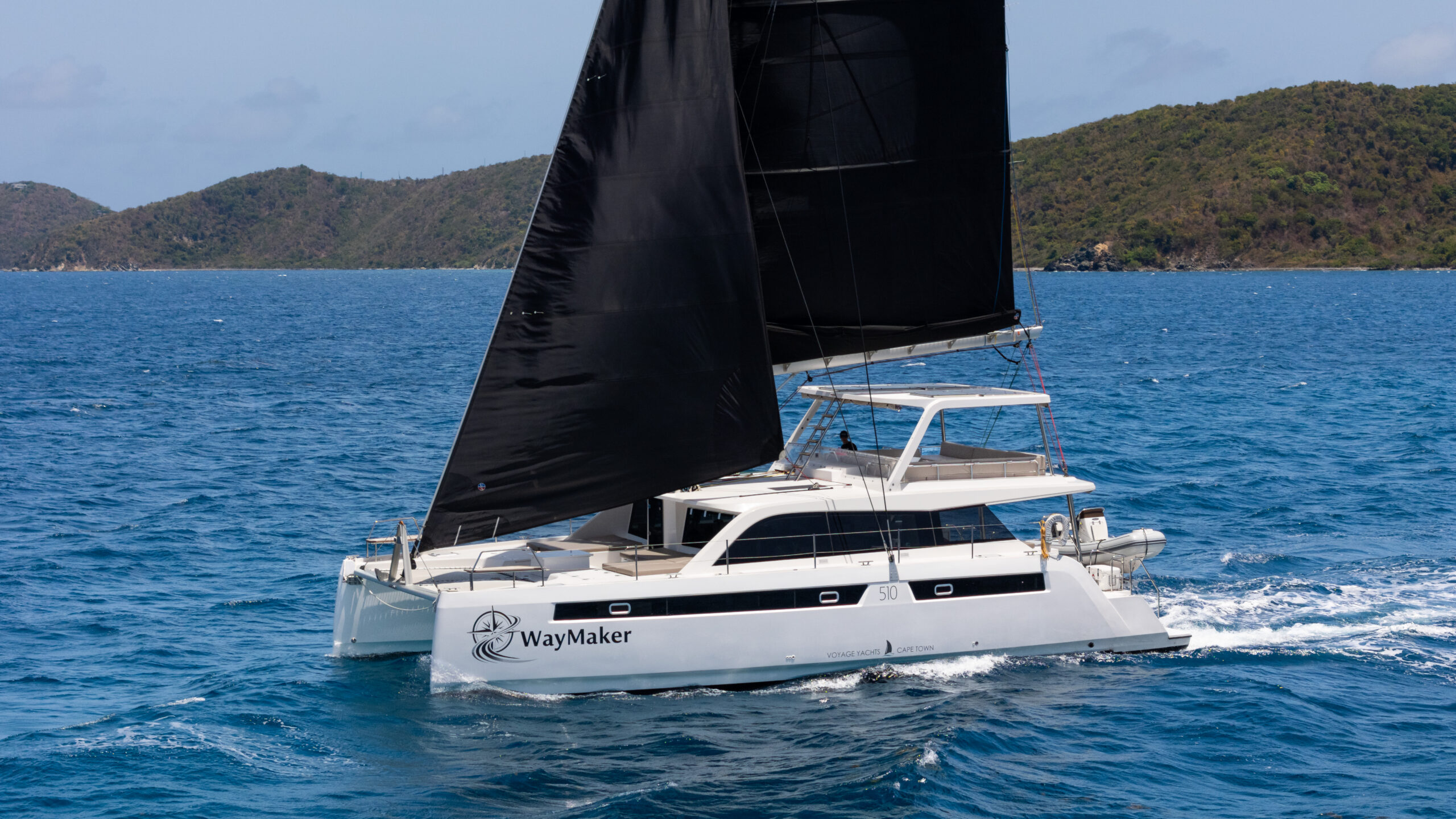
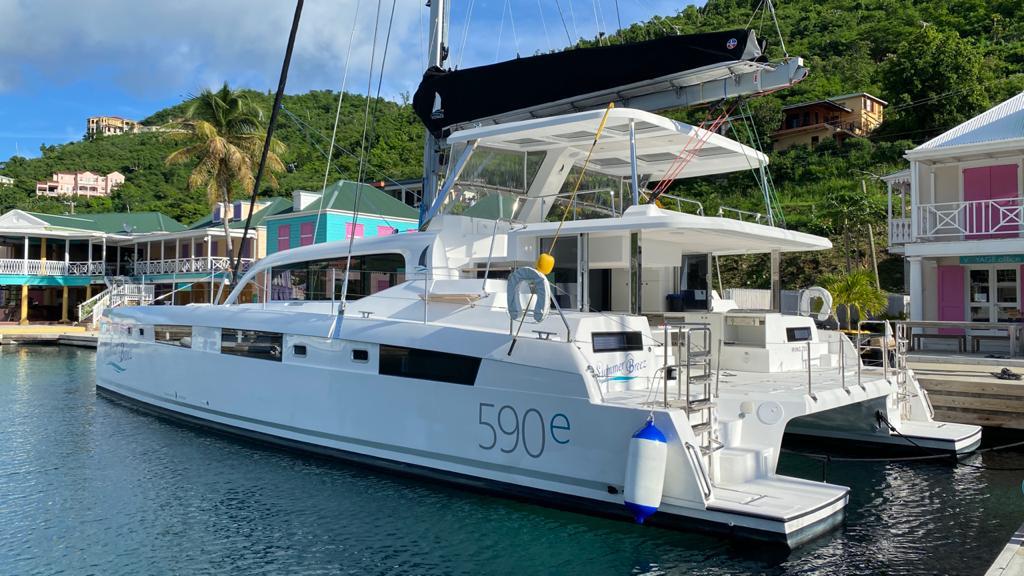
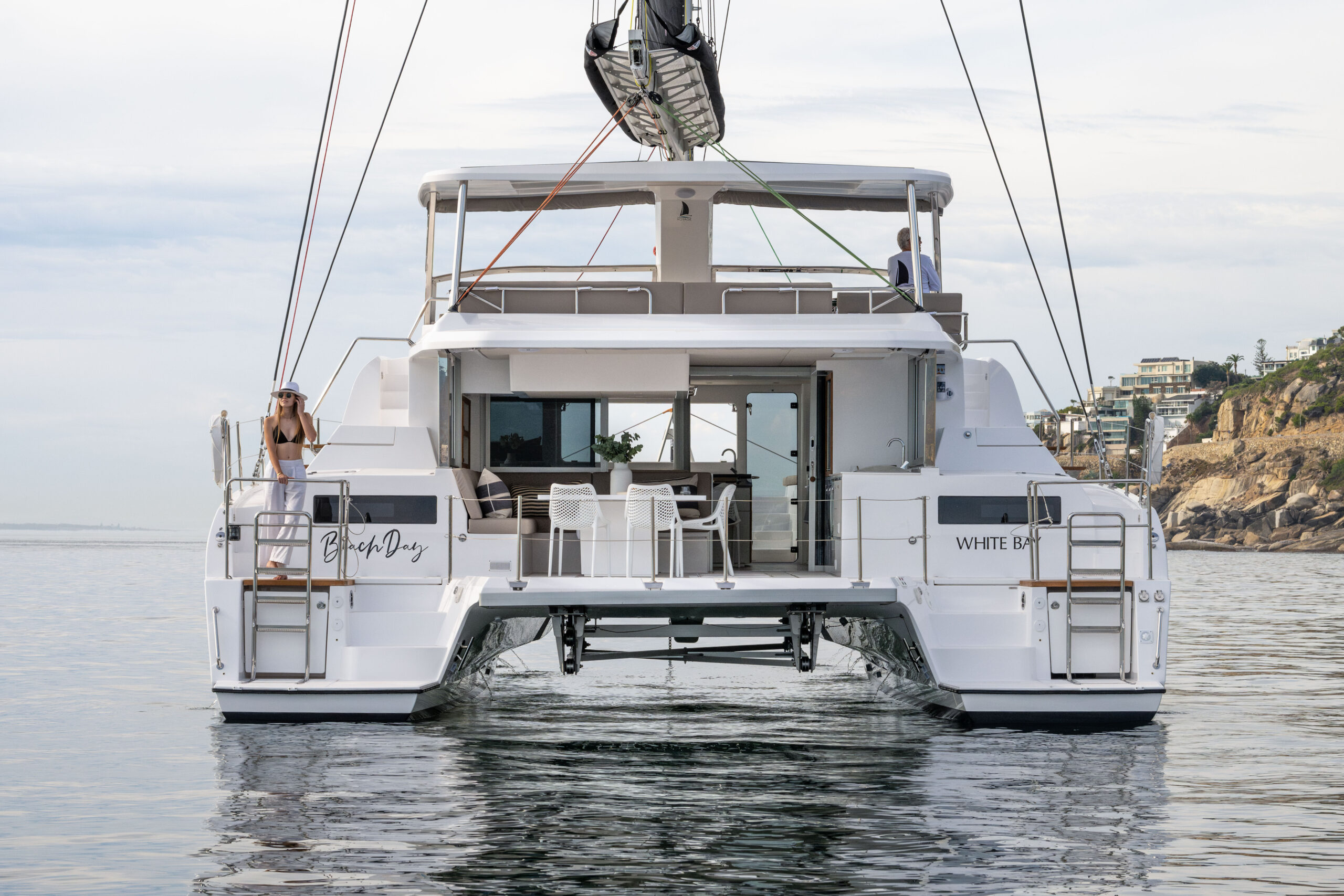
The VOYAGE 510 has become an important bridge between our established heritage and our next production era.
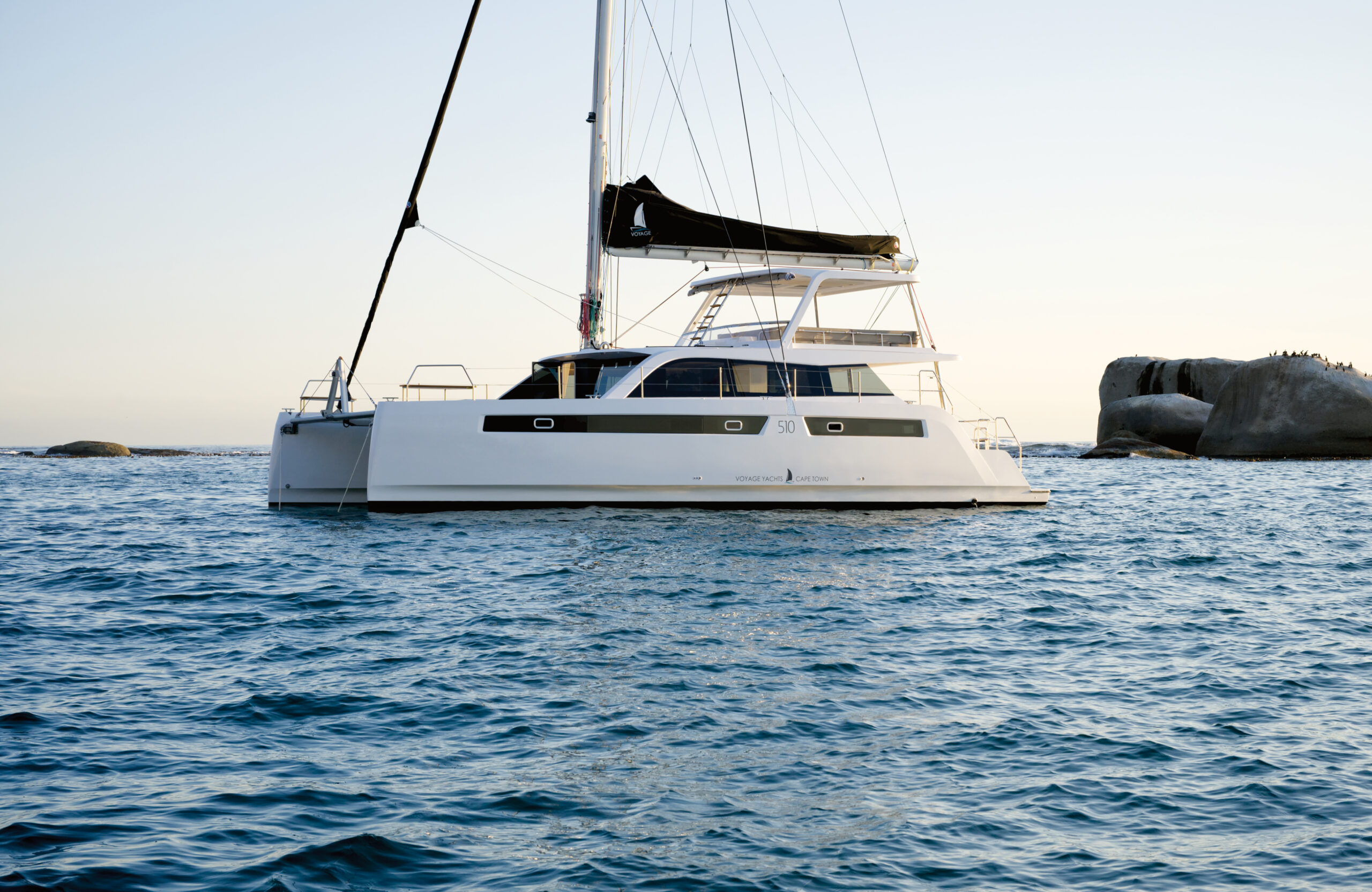
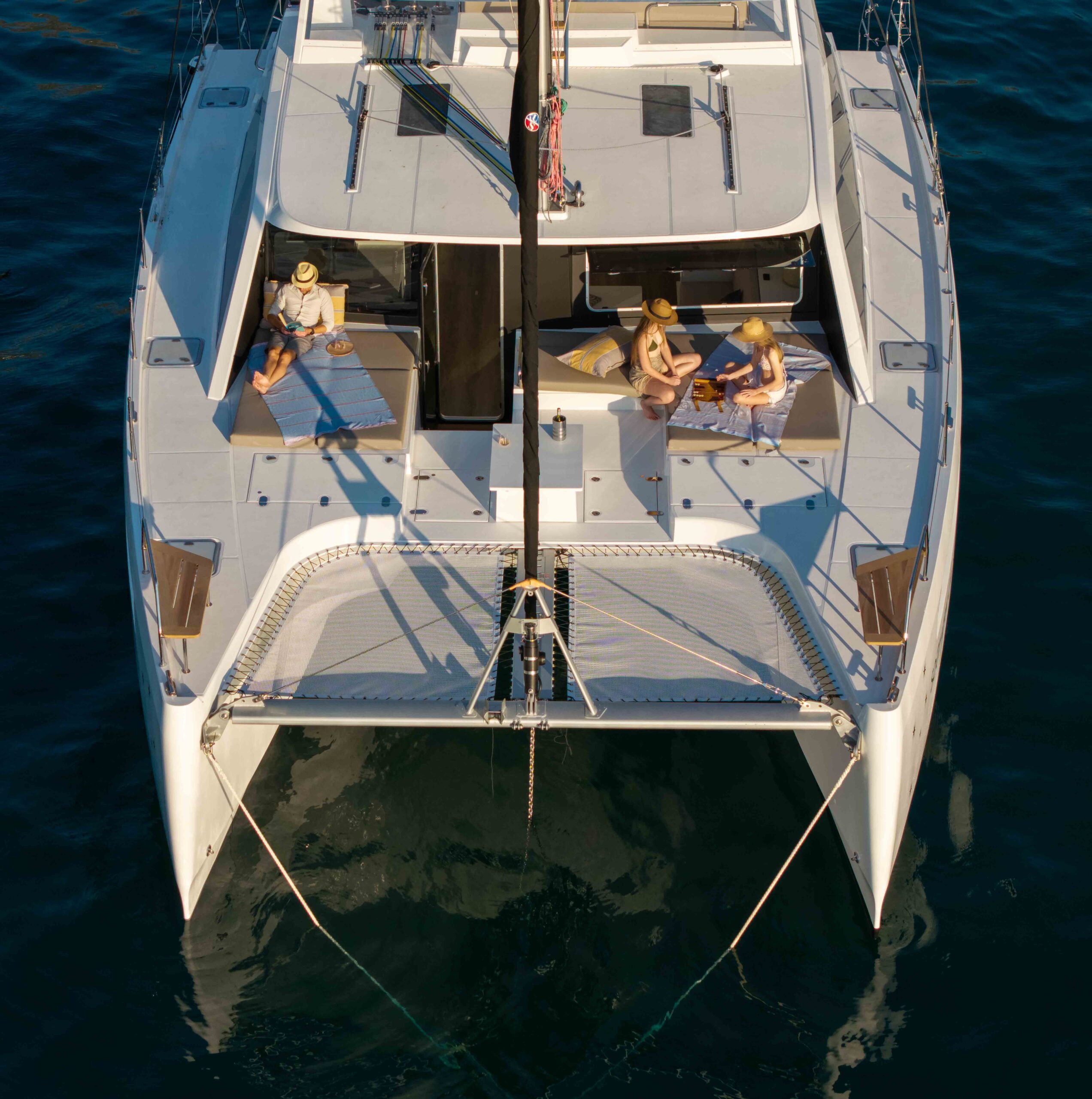
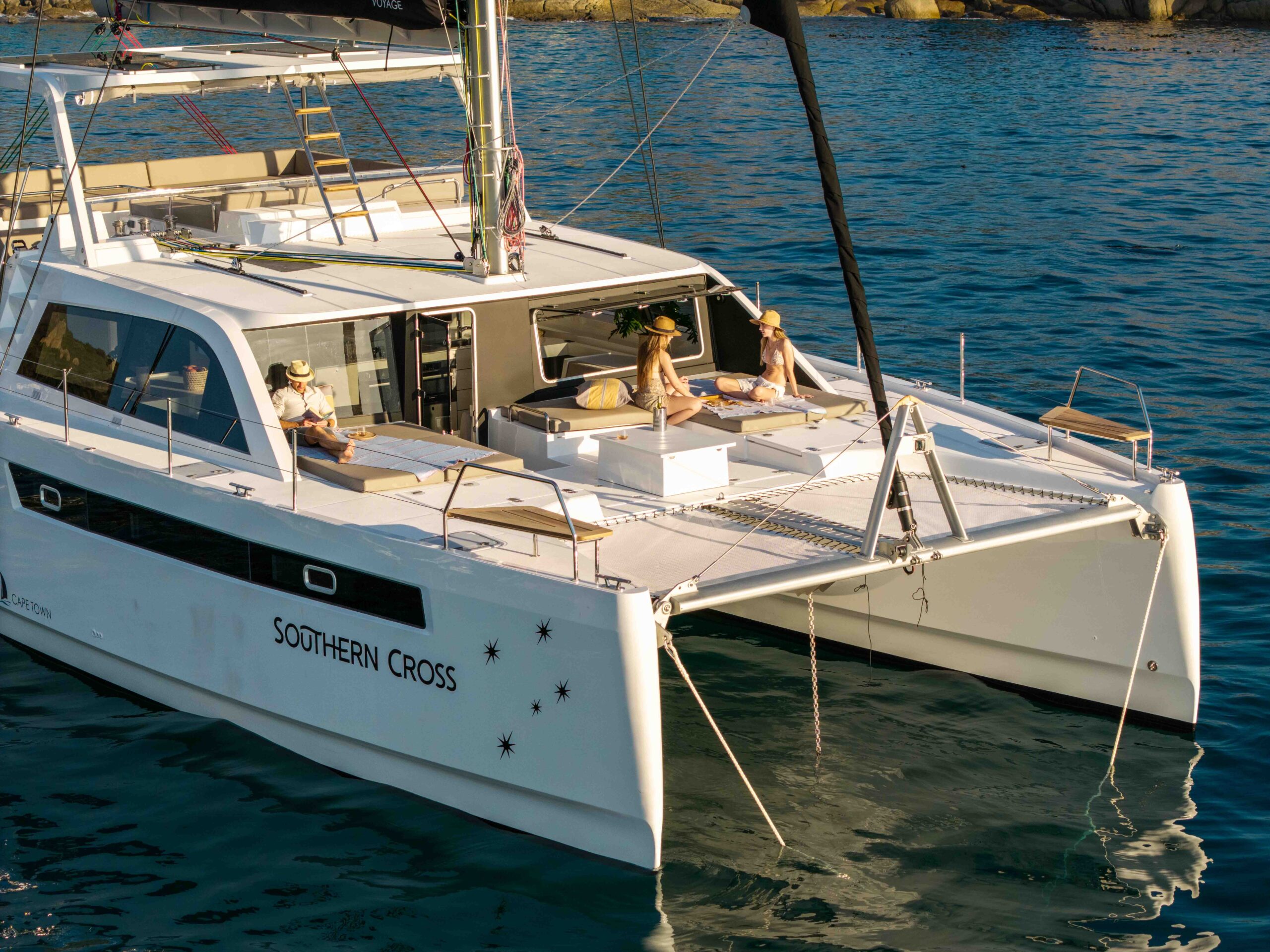
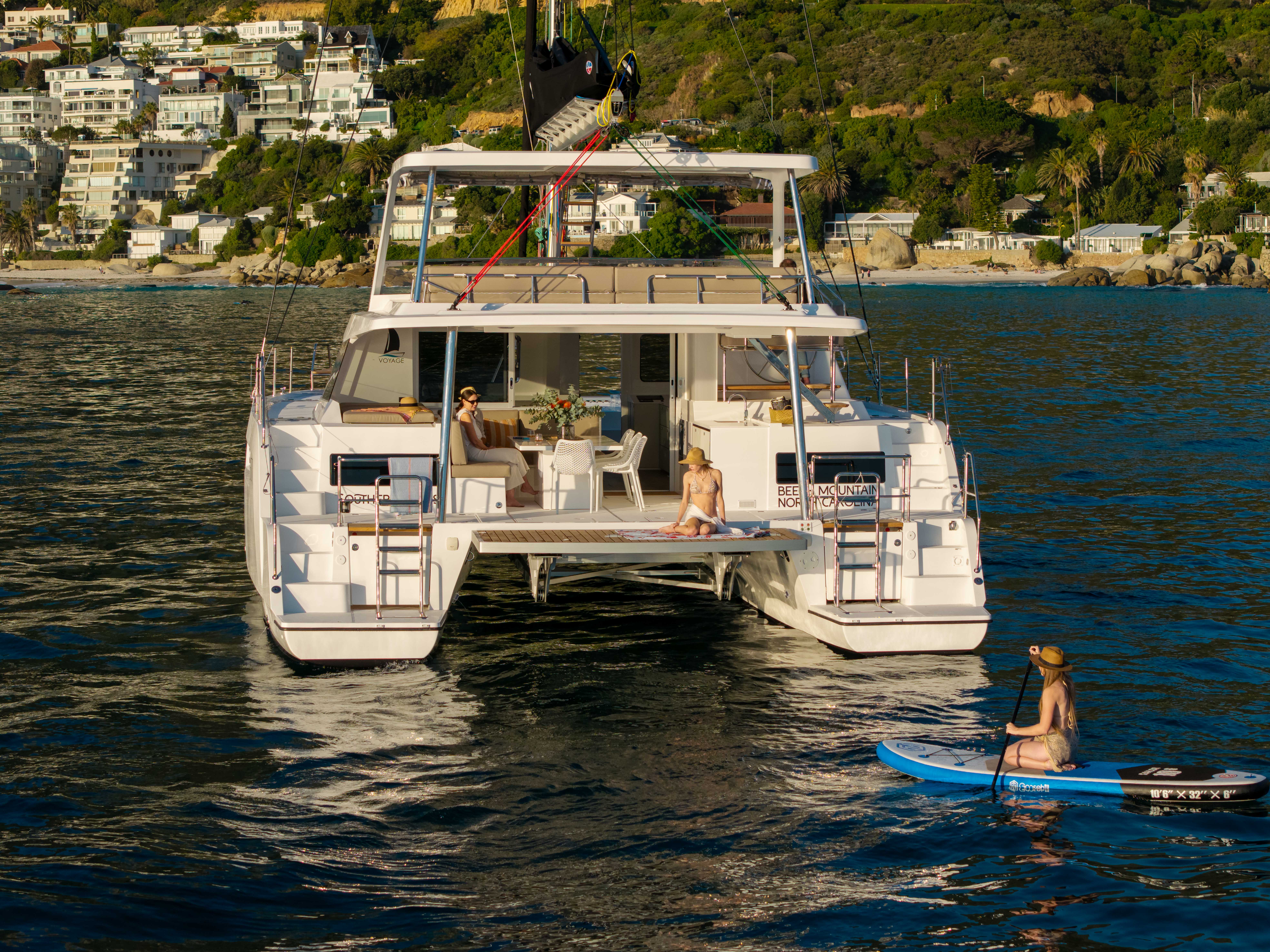
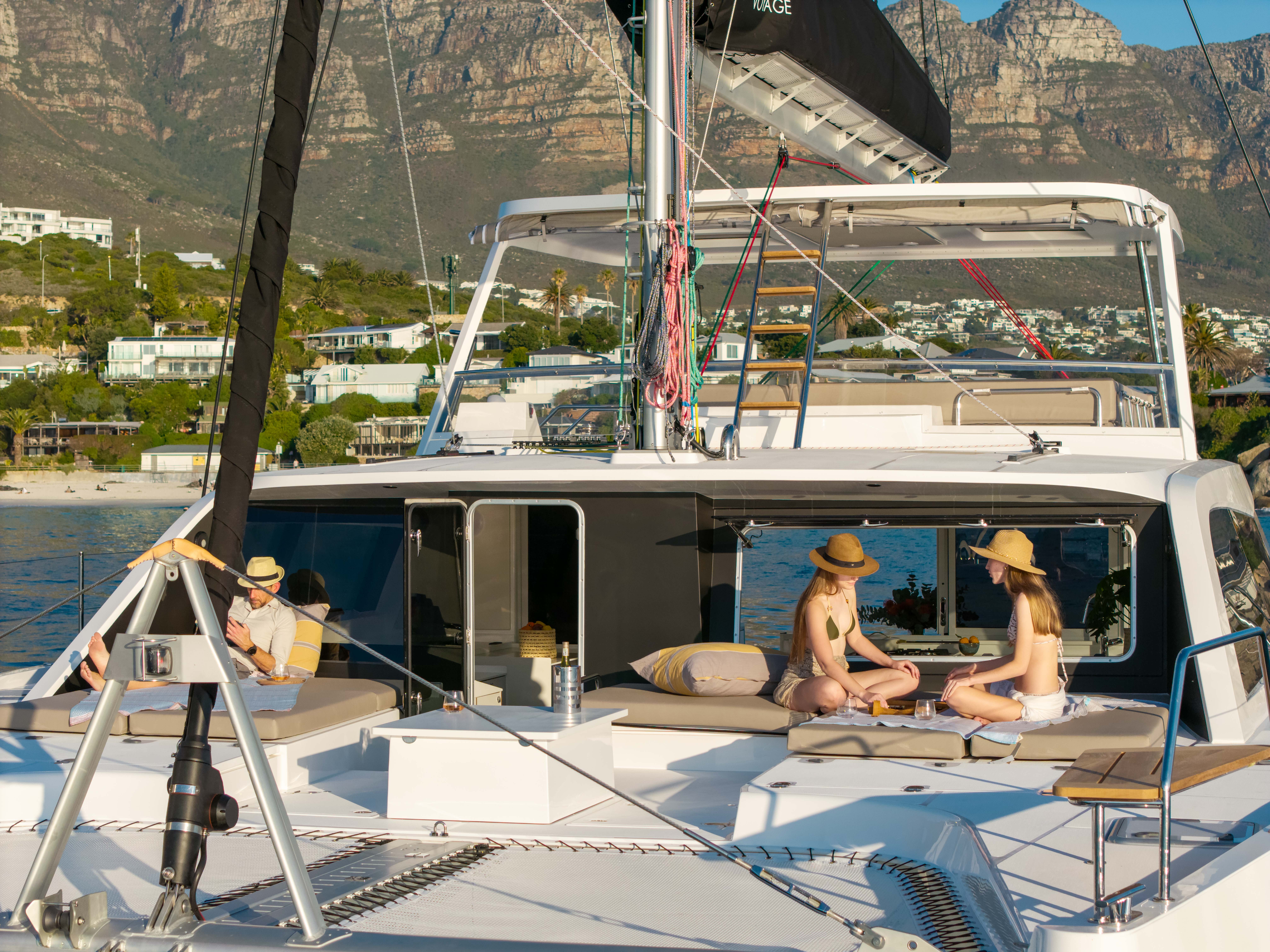
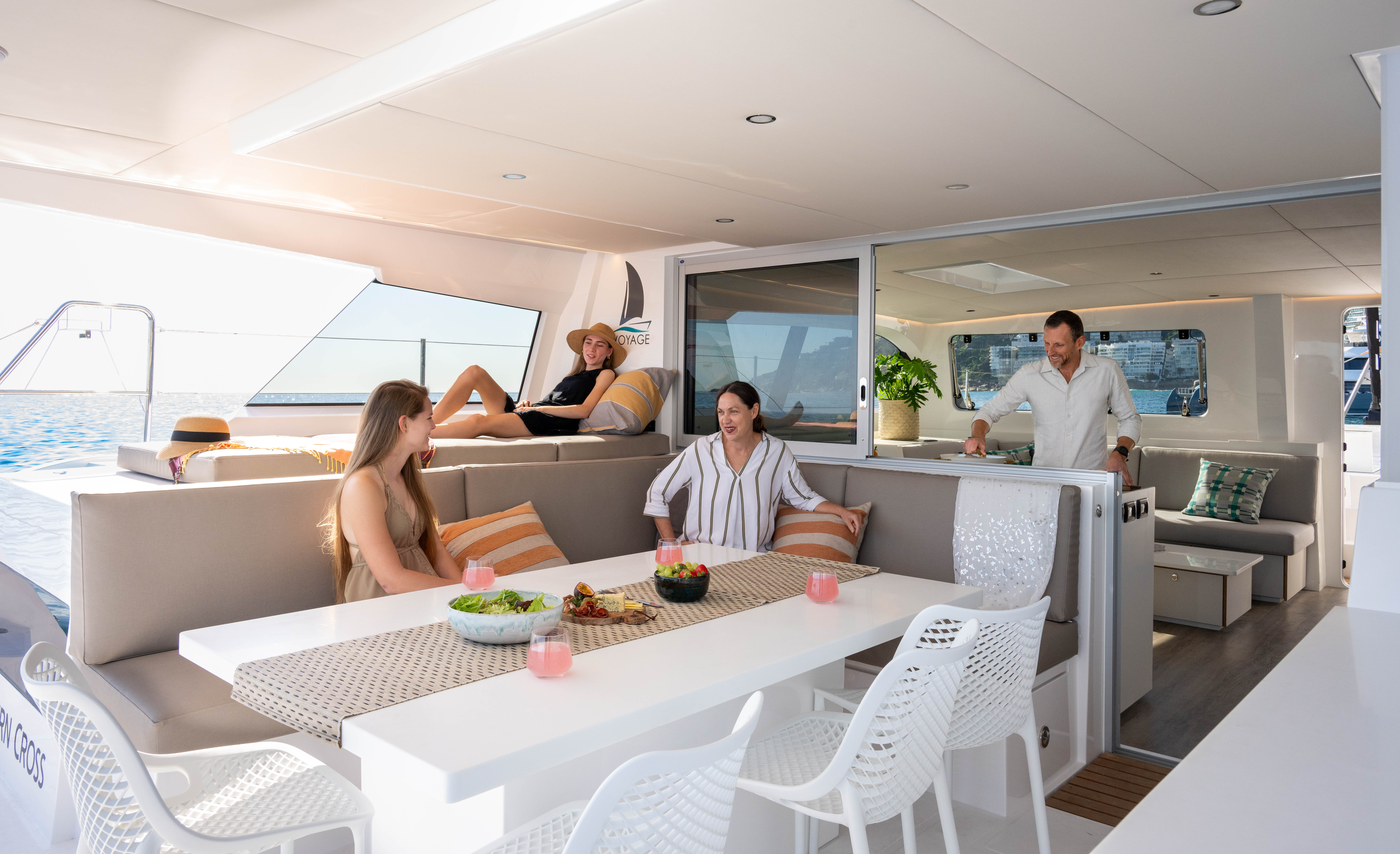
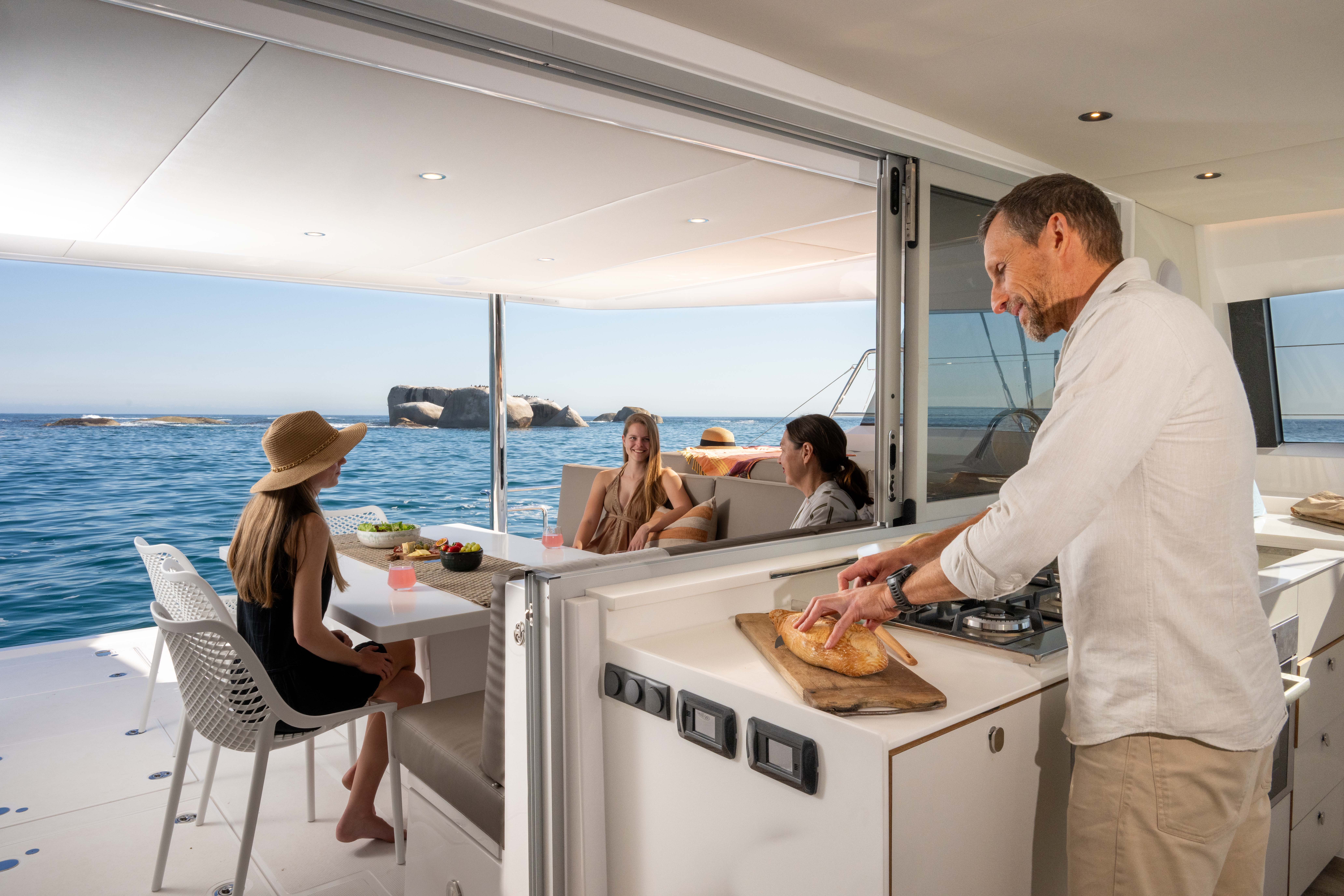
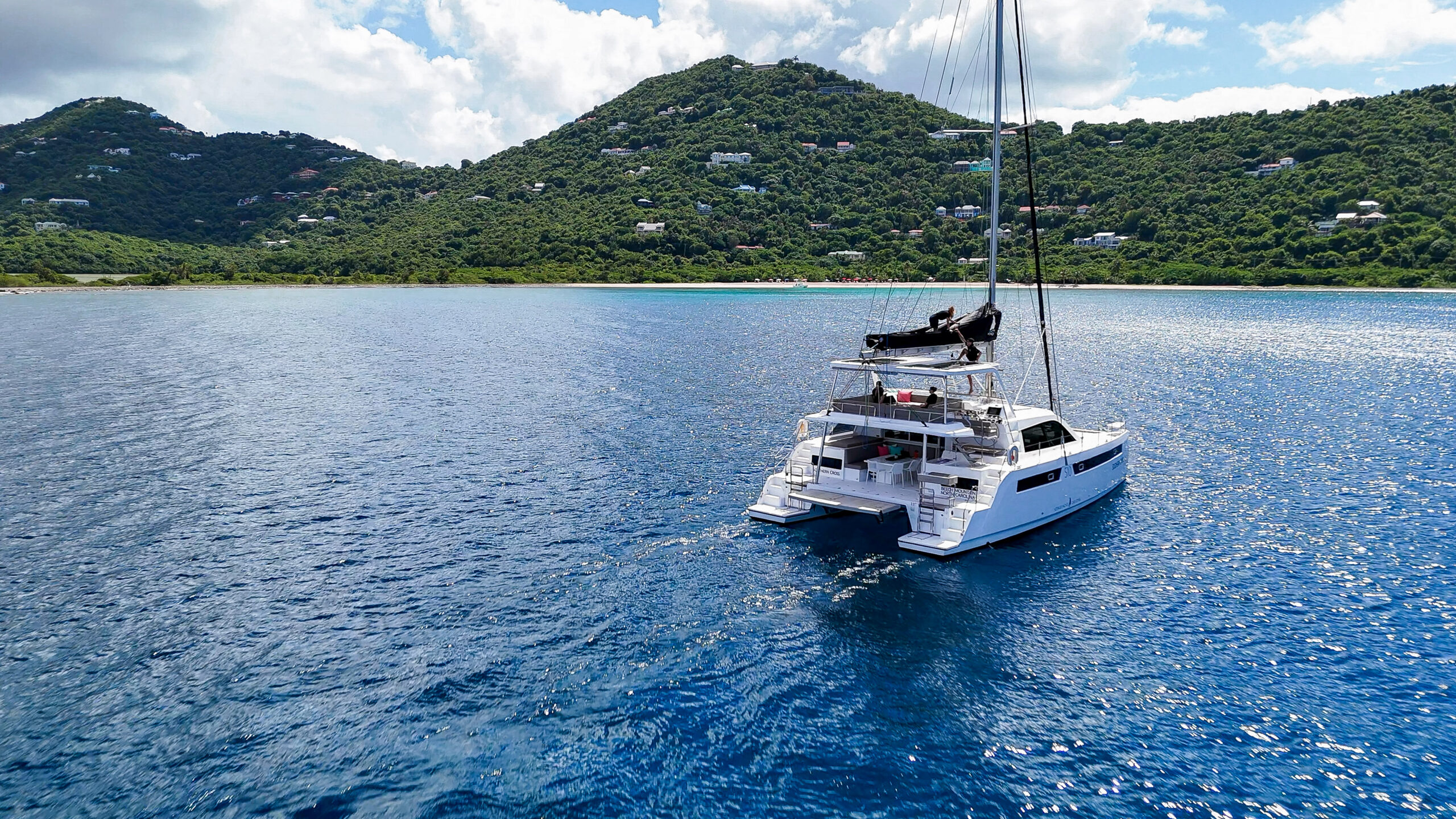
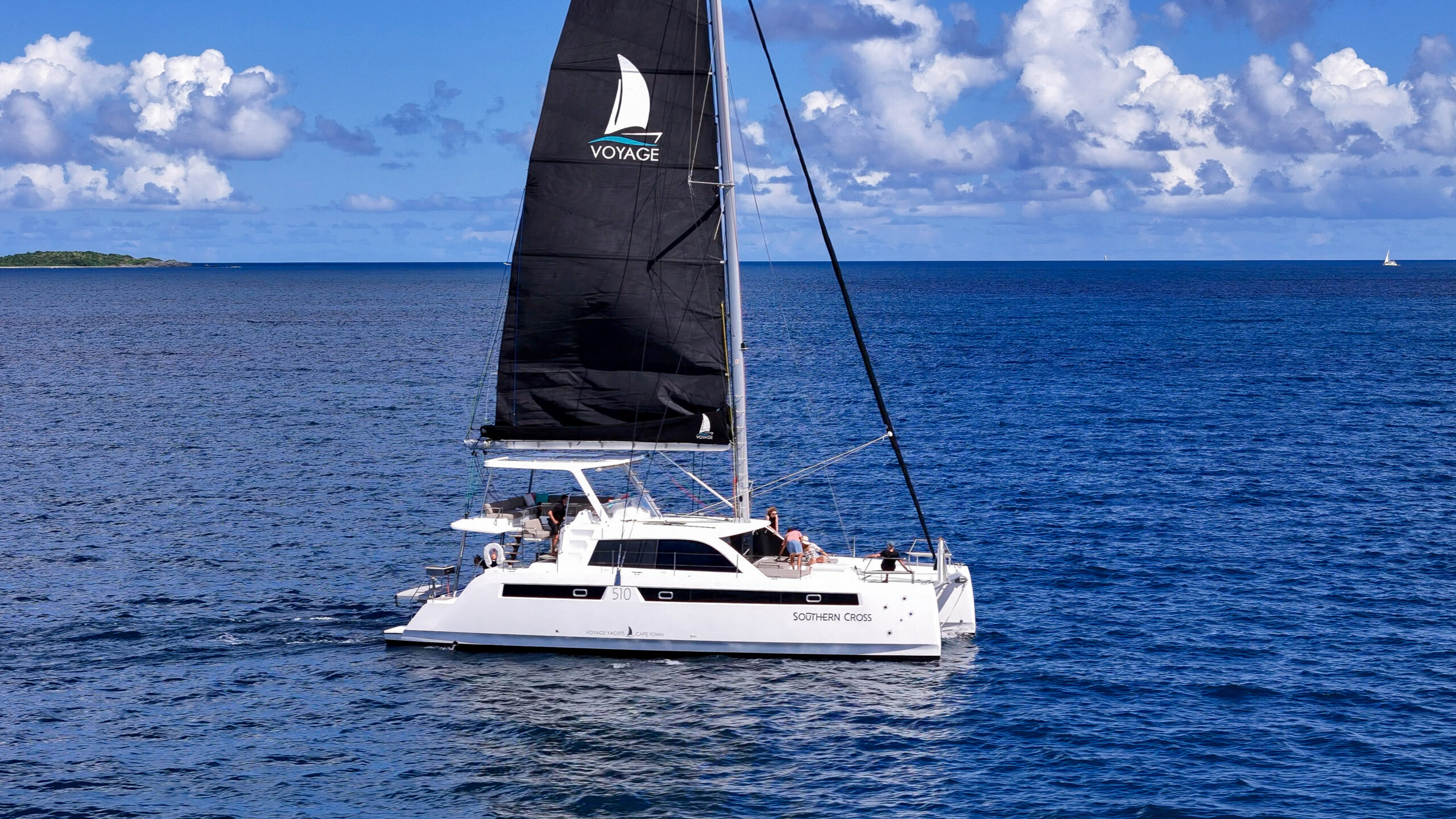
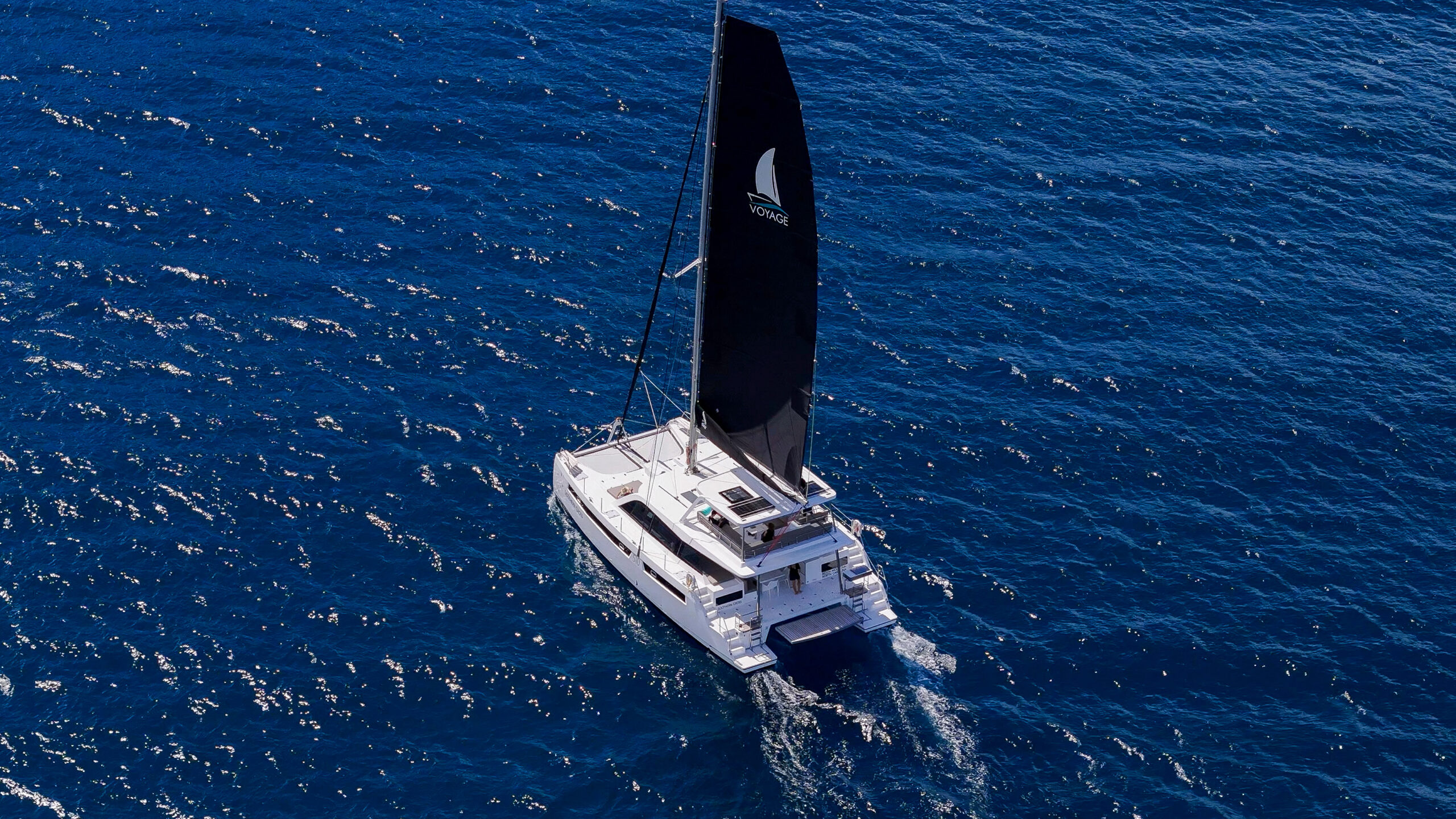
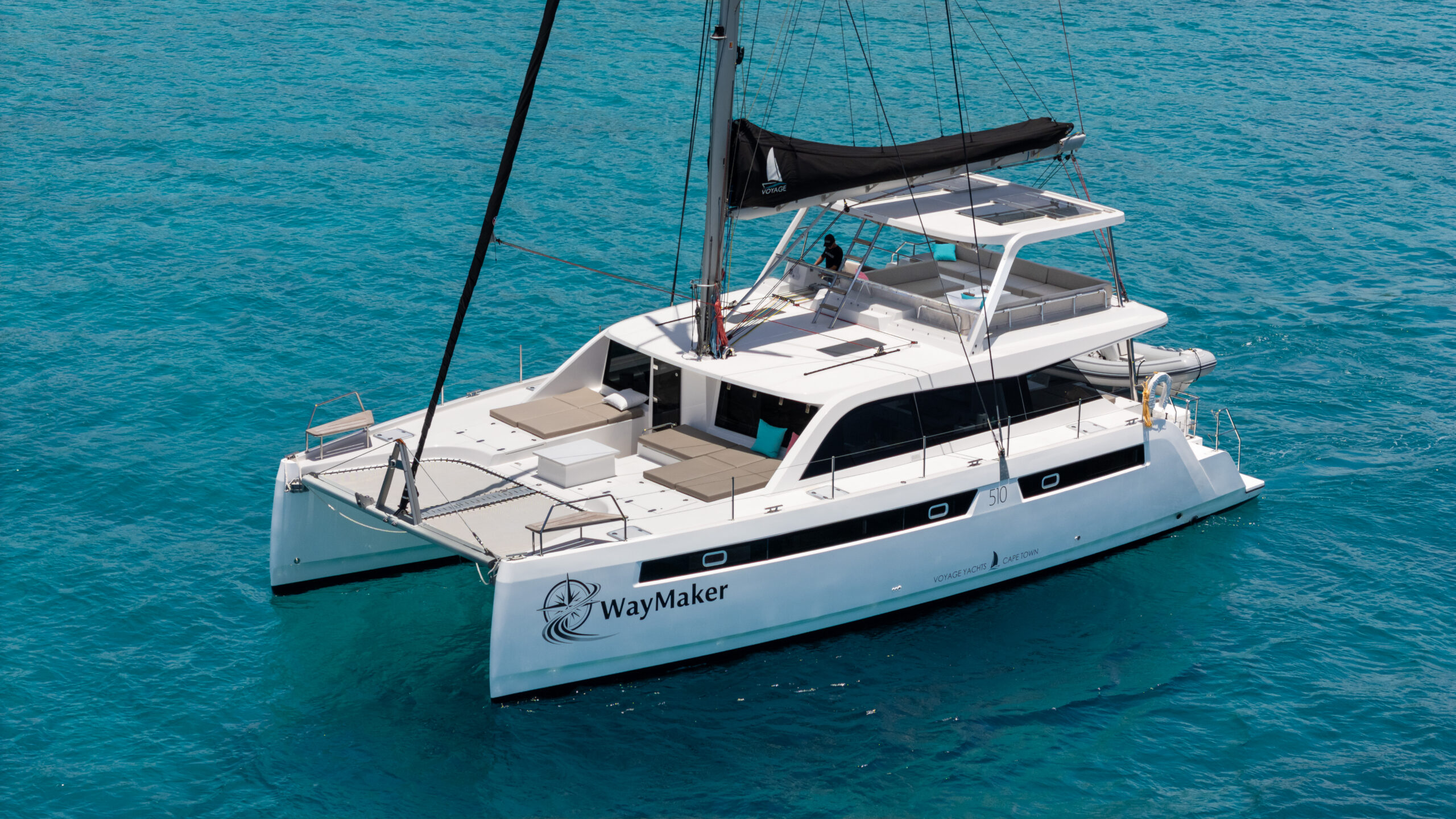
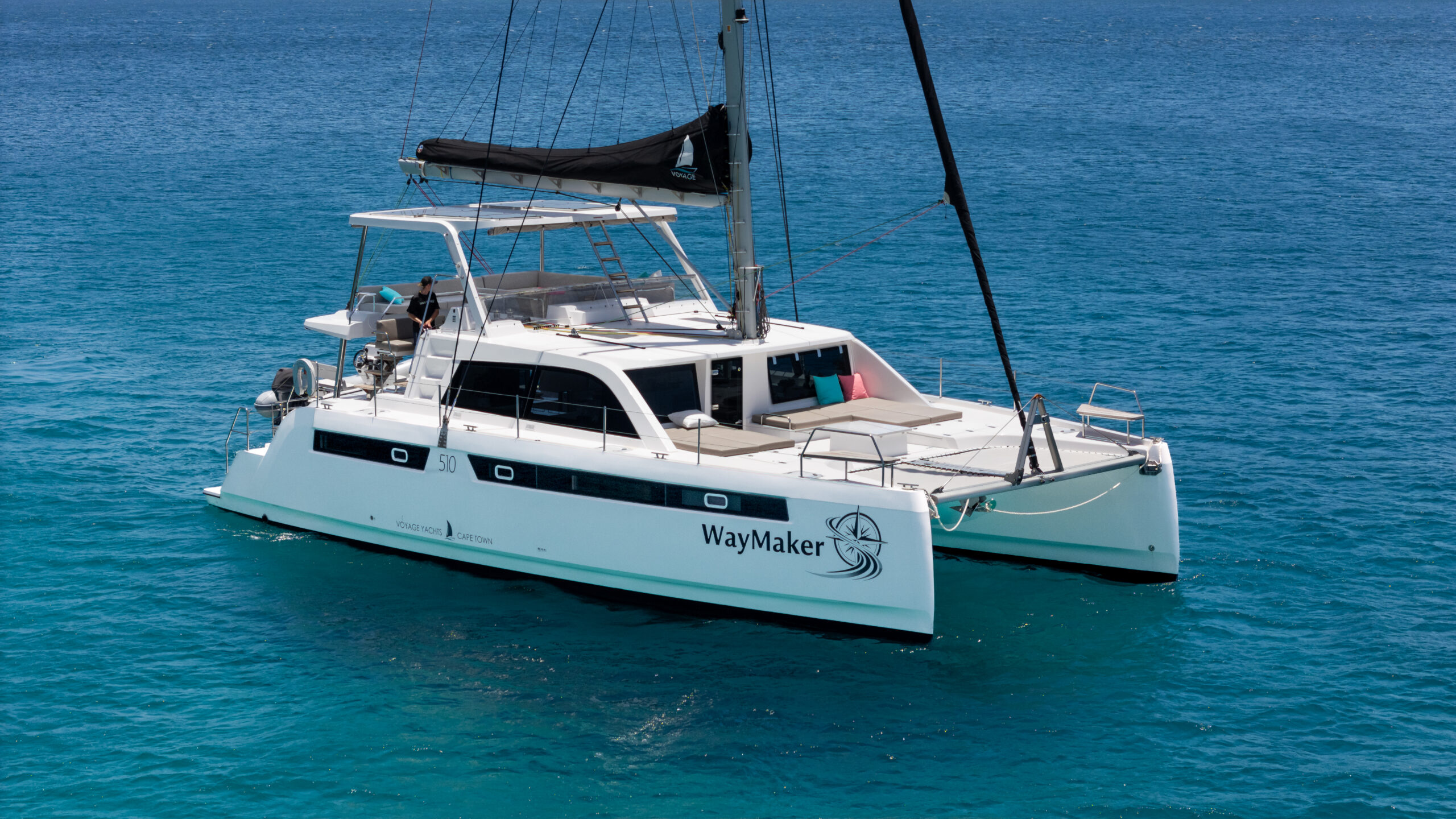
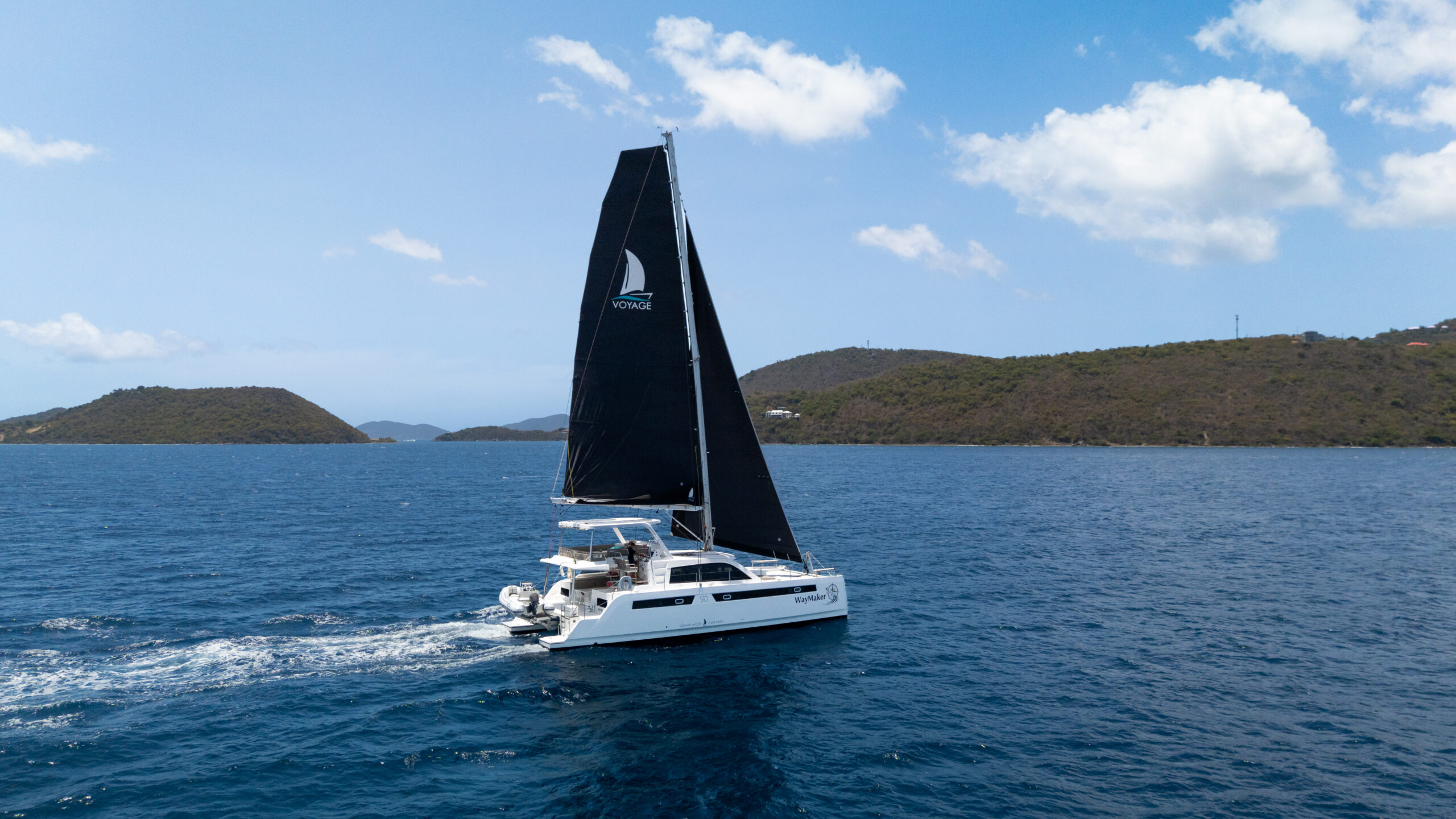
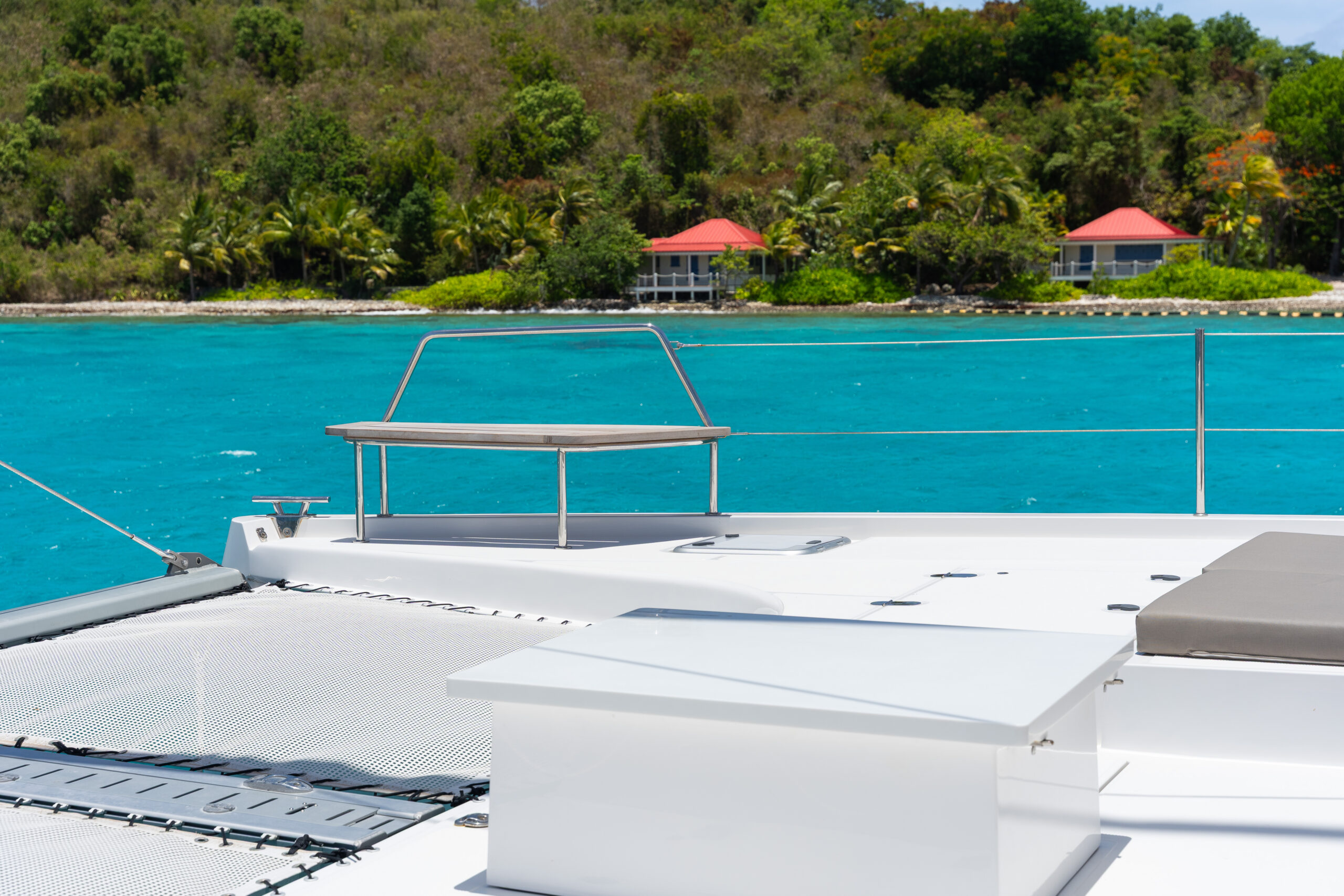
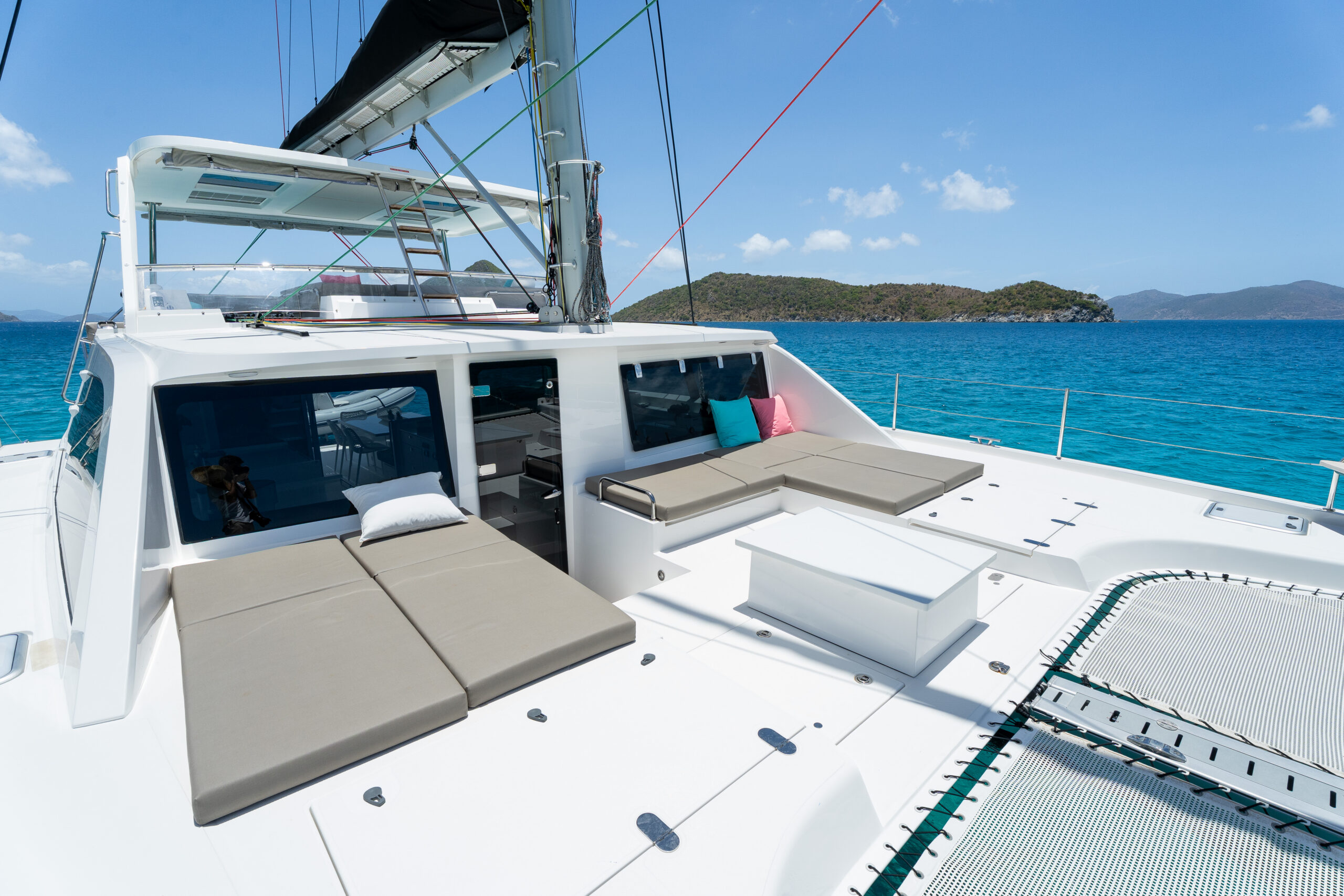
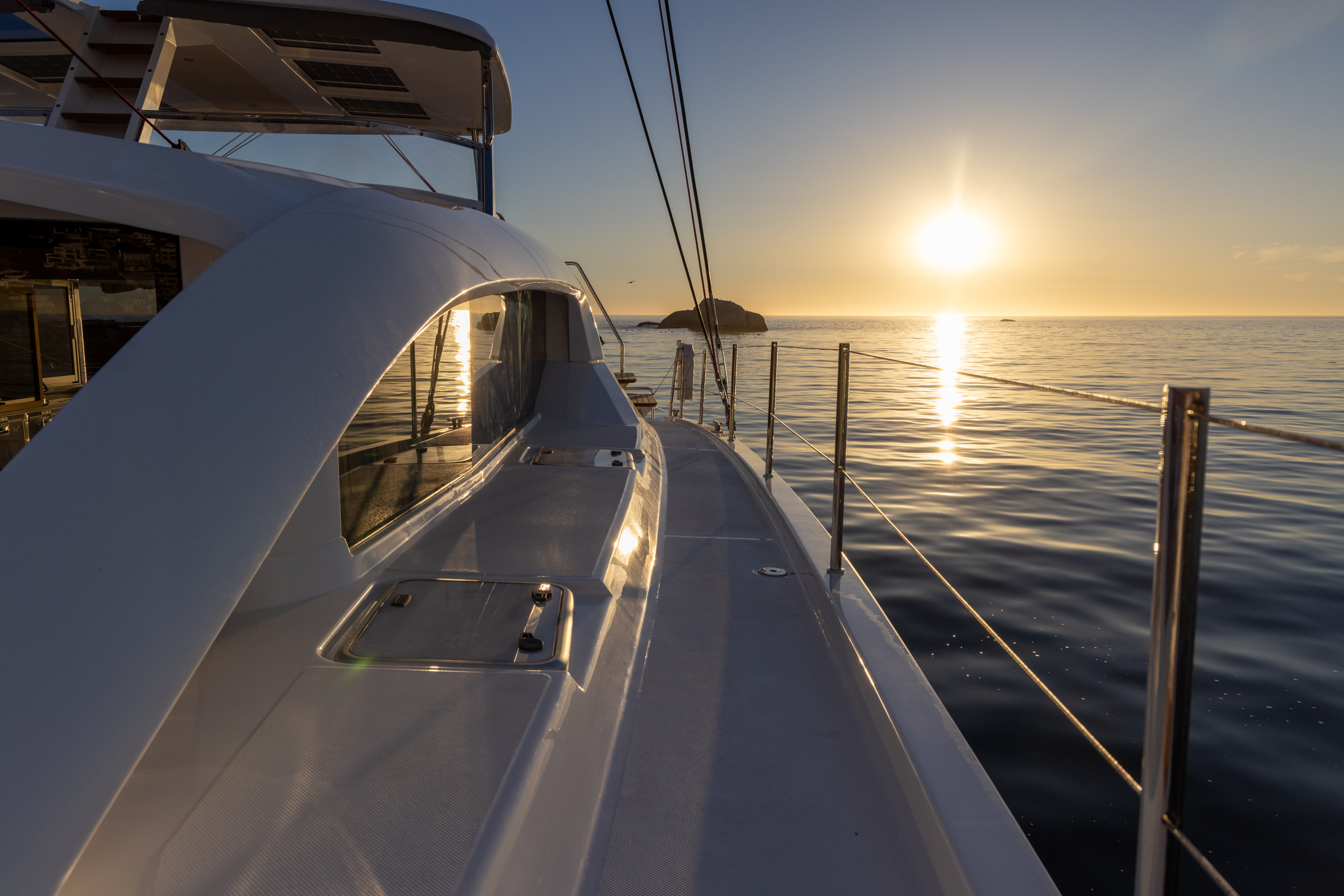
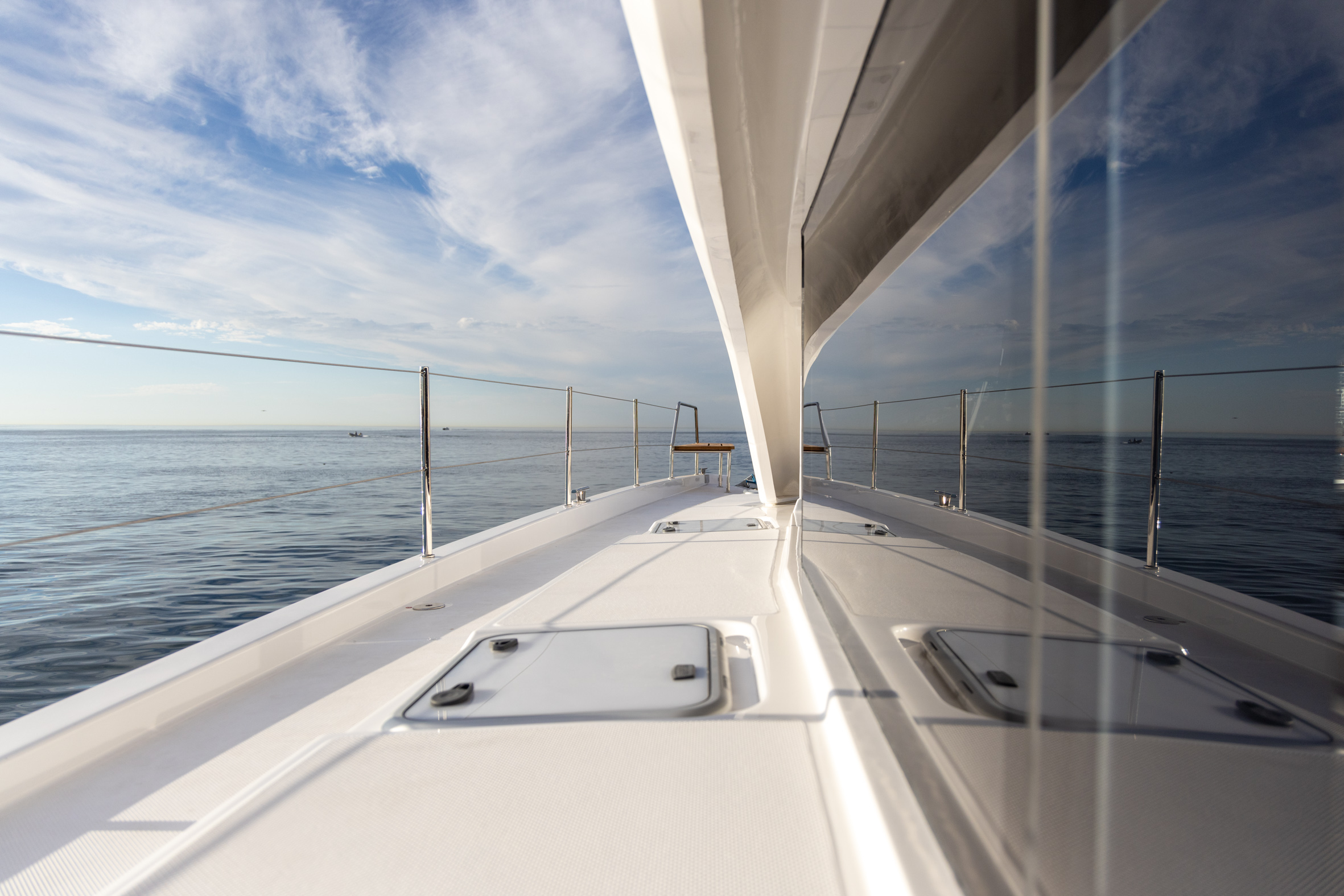
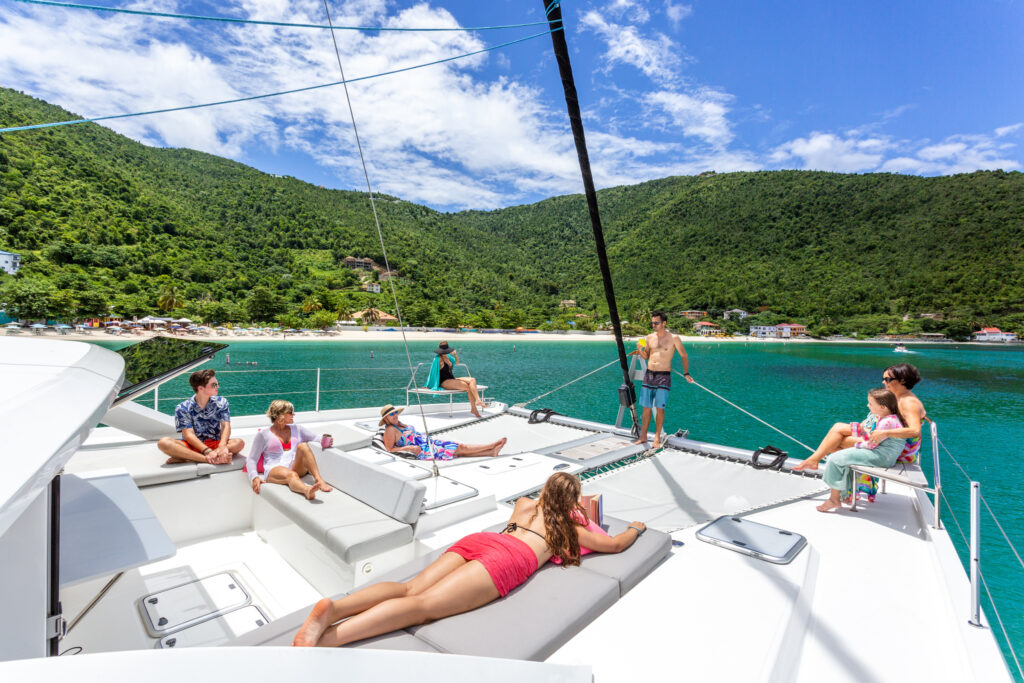
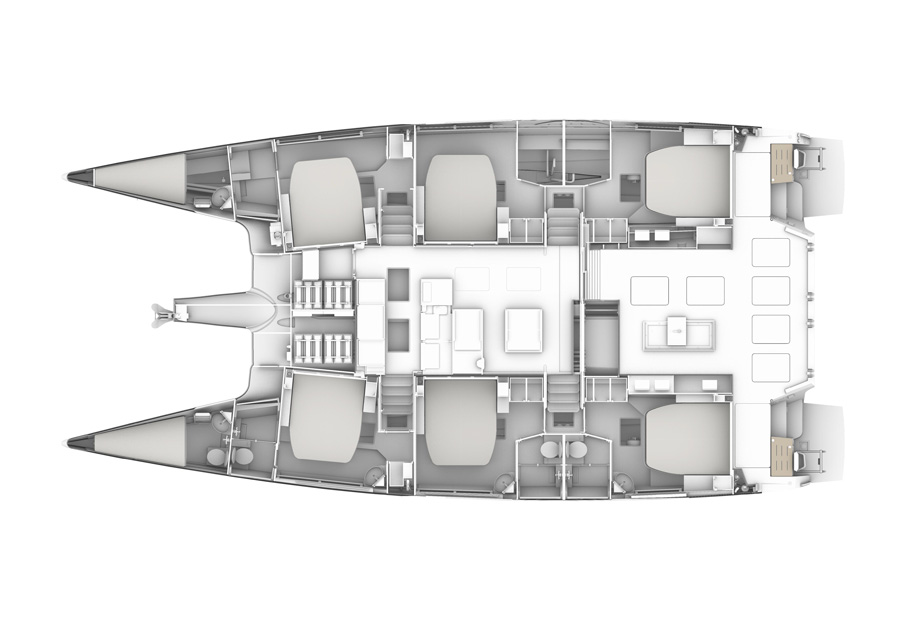
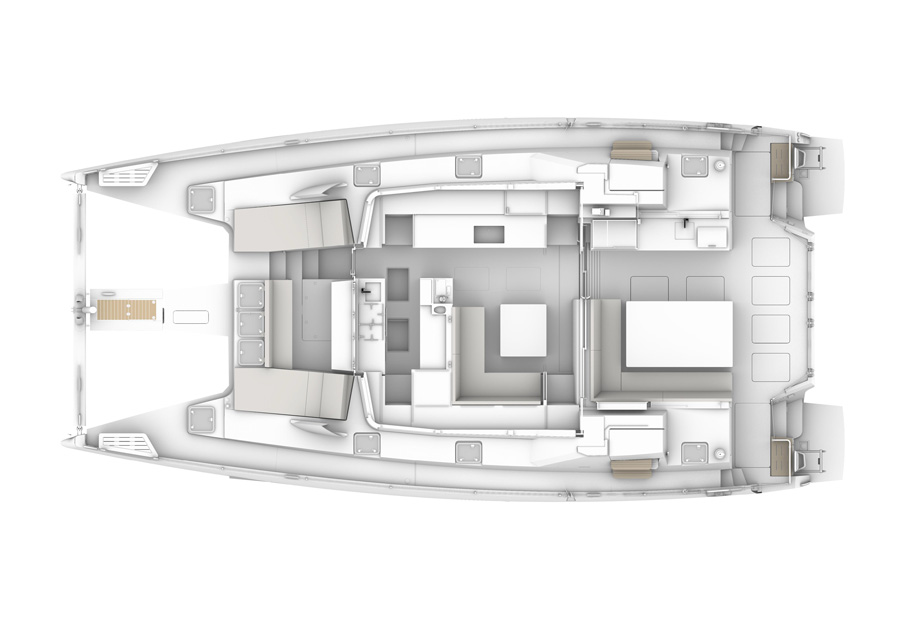
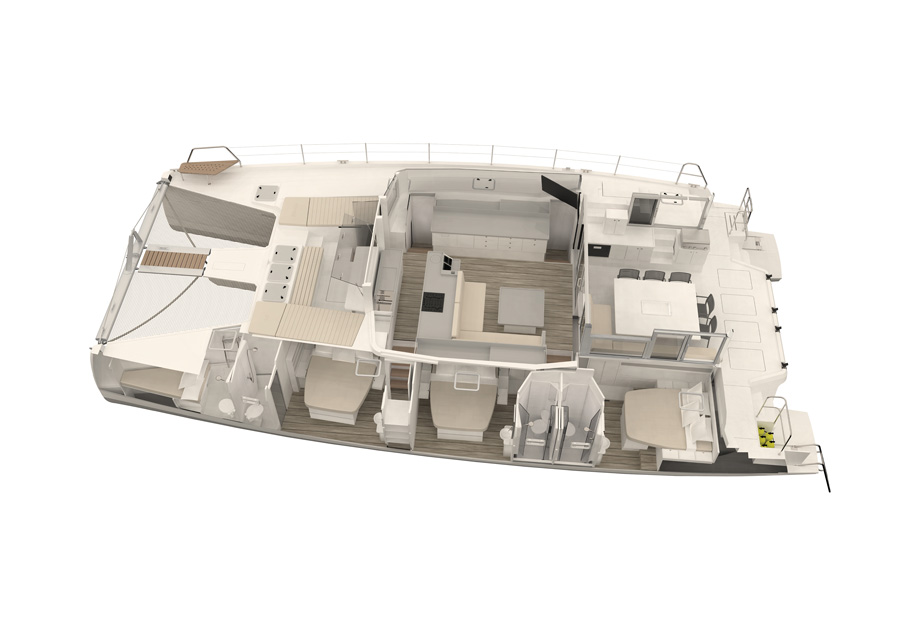
Hull #1 and Hull #2 established the VOYAGE 510 platform as a modern sailing catamaran designed to sit alongside the award-winning VOYAGE 590. From the beginning, the model was developed to serve either in charter or private ownership, while retaining the practical design thinking that has long defined the brand and our builds.
The balance between practicality and capability has been recognised beyond the yard and our clients, with Multihulls World having nominated the VOYAGE 510 for Multihull of the Year 2026 in the Sail 45’–55′ category.
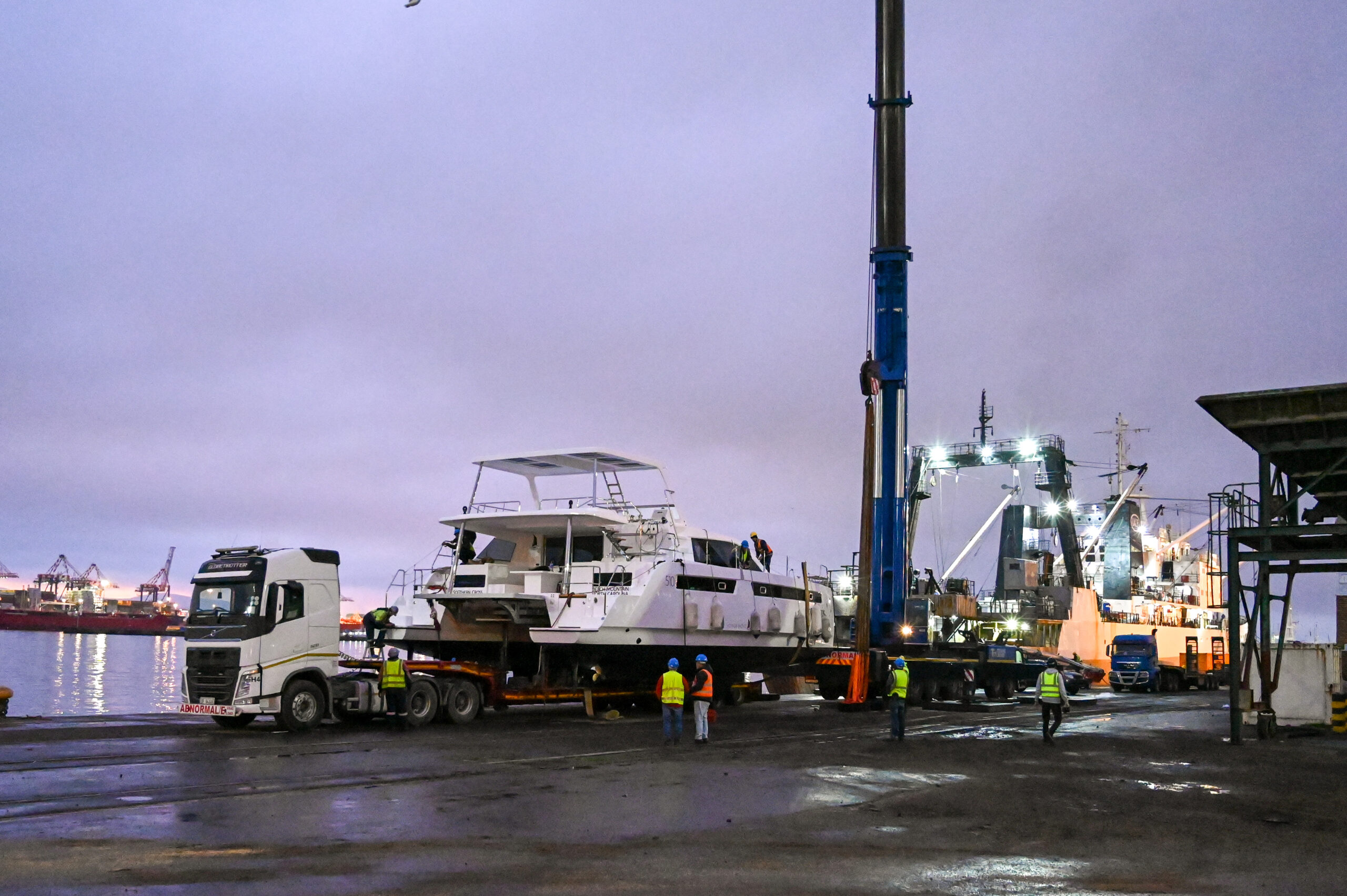
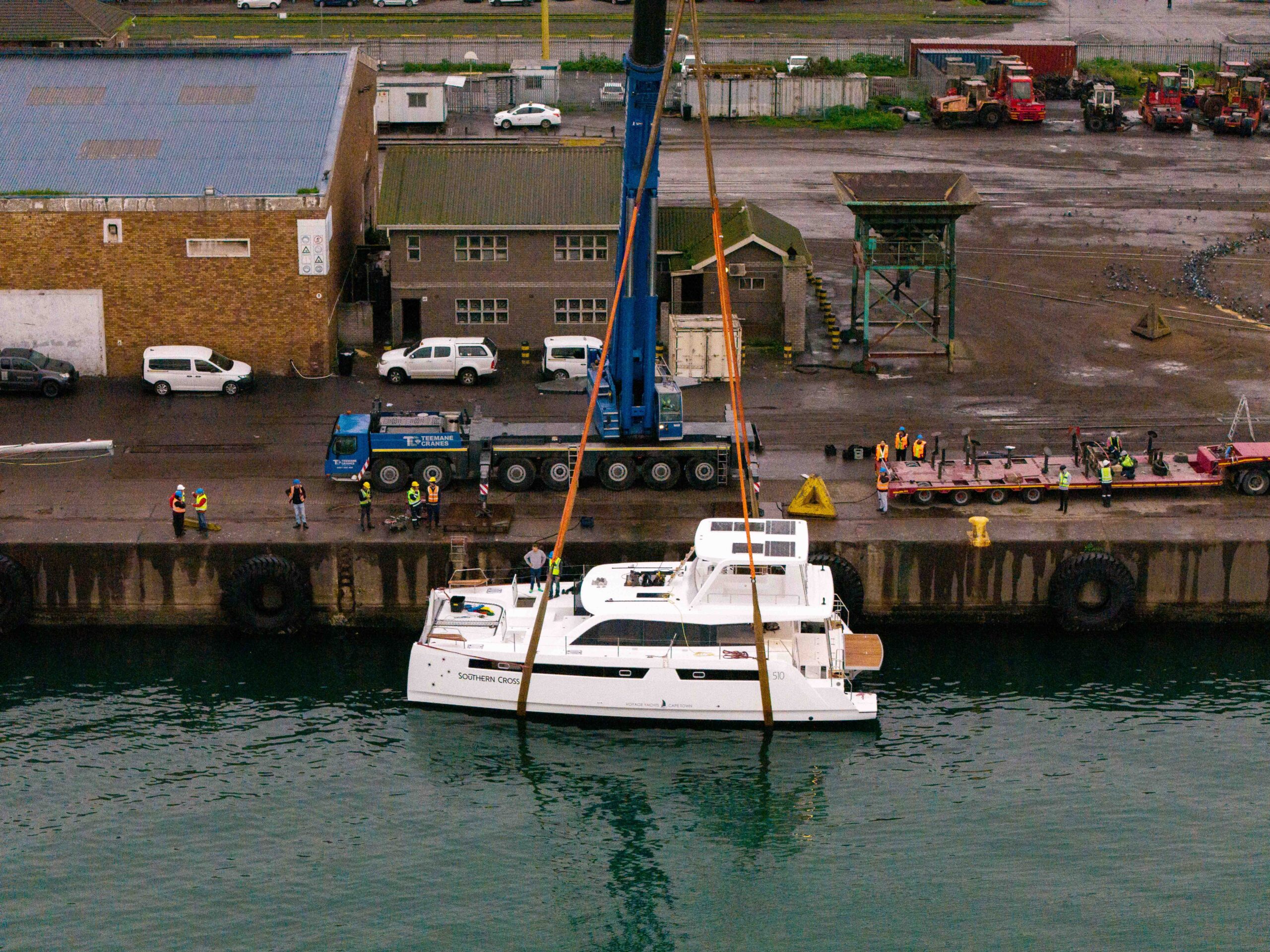
Hull #2 launched at 22.5 tons, with only a handful of components, such as floors and cubicles, built using infusion – the rest was all hand laminated.
Scheduled for launch in the later half of August 2026, Hull #3 will be the first VOYAGE Yacht built using an almost entirely infusion-led composite process. Small cosmetic liners, the bimini’ s inner layer and a handful of smaller modules were hand-laminated where infusion simply is not practically justified. But the broader build represents a significant step forward in how we plan to produce the range.
VOYAGE 510’s Hull #3 will be launched for private use in the Seychelles, following a semi-custom build process. Her specification reflects the direction in which VOYAGE is moving: a proven cruising catamaran platform, refined for owners who want to shape their vessel around how they intend to sail and live on it.
Her final launch weight is already a lively topic in the yard and will be watched closely by the production team. It will be one of the clearest indicators of how far the infusion process has moved the platform forward.
Hull #4 in the VOYAGE 510 line is scheduled for launch in mid-November 2026. This vessel will continue the model-progression and will introduce several configuration refinements as part of the ‘new’ standard VOYAGE 510 offering.
Between January 2025 and June 2026, the VOYAGE YACHTS composites team have made significant strides with the infusion-led composite build process.
For the technical reader, the process offers a cleaner laminate, better resin control, improved repeatability and a build process that is becoming more measurable from one hull to the next.
For the future owner, the benefit is a bluewater cruising catamaran that is built with better process control from the inside out.
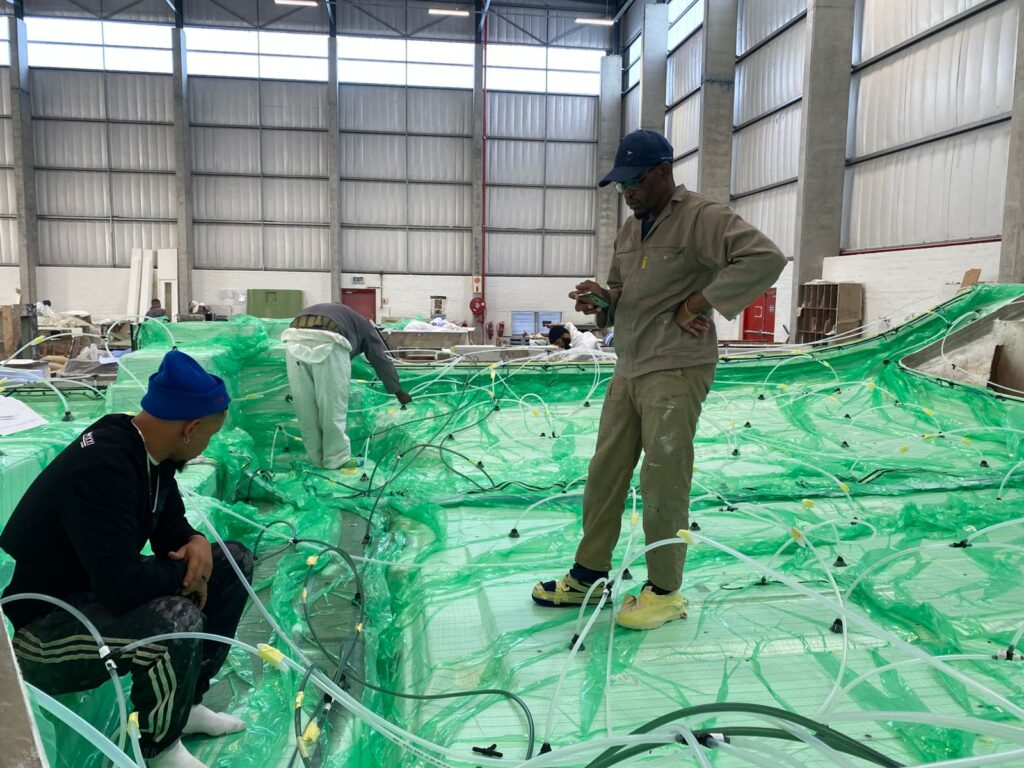
Vacuum infusion is a composite construction method in which dry materials are laid into the mould, sealed under vacuum and then infused with resin in a controlled manner.
For a sailing catamaran, this process can support improved laminate consistency, better control over resin content and tighter management of the resulting weight. In simple terms, this allows the team to use resin more deliberately.
Internal tracking across the VOYAGE 510 programme currently indicates that our resin usage has reduced to approximately 60% of the previous hand-lamination levels, with some components approaching a 50% reduction. This supports a more optimal resin-to-glass ratio and reduces excess resin that adds weight without adding equivalent structural value.
And, this is why Hull #3 is expected to show a meaningful improvement through launch weight, when compared to earlier VOYAGE 510 builds.

A shift in production steps on this scale, cannot be attributed to new facility or materials alone.
With the backing of VOYAGE leadership, guidance from Master Boatbuilder Kay Oldenburg, support from Production Manager Elroy Sedres and the leadership of Composites Manager Billa Pansegrouw, the build process has moved beyond our proven 30-year hand-lamination recipe and into a more controlled construction method.
The transition required team training, including an Aerontec infusion course, supplier input, in-house learning and on-the-job guidance from experienced infusion specialists. The process has also benefited from the external expertise of Dick Churly (registered professional engineer), Chris Scarrot of Aerontec, Craig Moss of AMT and the NCS Resins team.
This has truly been a yard-wide commitment to question old assumptions, identify opportunities for improvement, and develop an infusion process suited to VOYAGE YACHTS’ own production environment.
Within the GRP team, Billa credits the wider group for making the transition possible. Experienced hands have shared their knowledge, while newcomers to infusion have been receptive, enthusiastic and committed to learning.
The team has also been strengthened by the arrival of talented infusion specialists, including Marlin Opperman, Tarryn White, Lungi Nonkotamo, Patrice Chikanya and Pholohang “Tiger” Maleti.
The energy in the yard is easy to feel while the team continues learning, testing, refining and turning a relatively new process into part of the production culture.
As Billa explains:
“We deconstructed the one-shot infusion process to identify the root causes of its shortfalls, then developed our own three-step infusion process to address them. This process reflects the VOYAGE mindset of pursuing product perfection. These are not just words printed on posters in the workshop. Our team genuinely lives by it.”
Rather than relying on a conventional one-shot infusion, the VOYAGE composites team has adopted a proprietary three-step infusion process for many of the larger structural components.
By breaking the infusion into carefully controlled stages, the team is able to better manage resin flow, laminate quality and consistency while reducing the risk of defects that can only reveal themselves years later. It is a slower, more deliberate approach, but one that reflects our belief that quality should be built into the structure from the very beginning.
Alongside the technical evolution of the VOYAGE 510, the model is also developing as a more owner-led platform.
VOYAGE YACHTS builds production line sailing catamarans suitable for semi-customisation. This allows us to offer owners the opportunity to make meaningful decisions within a structure that we know how to build, sail and support.
From VOYAGE 510 Hull #3 onward, several of these personal refinements will become part of the standard VOYAGE offering. Many of these changes nod back to features seen on earlier VOYAGE models, while introducing a warmer and more private-cruising-focused direction for the VOYAGE 510.
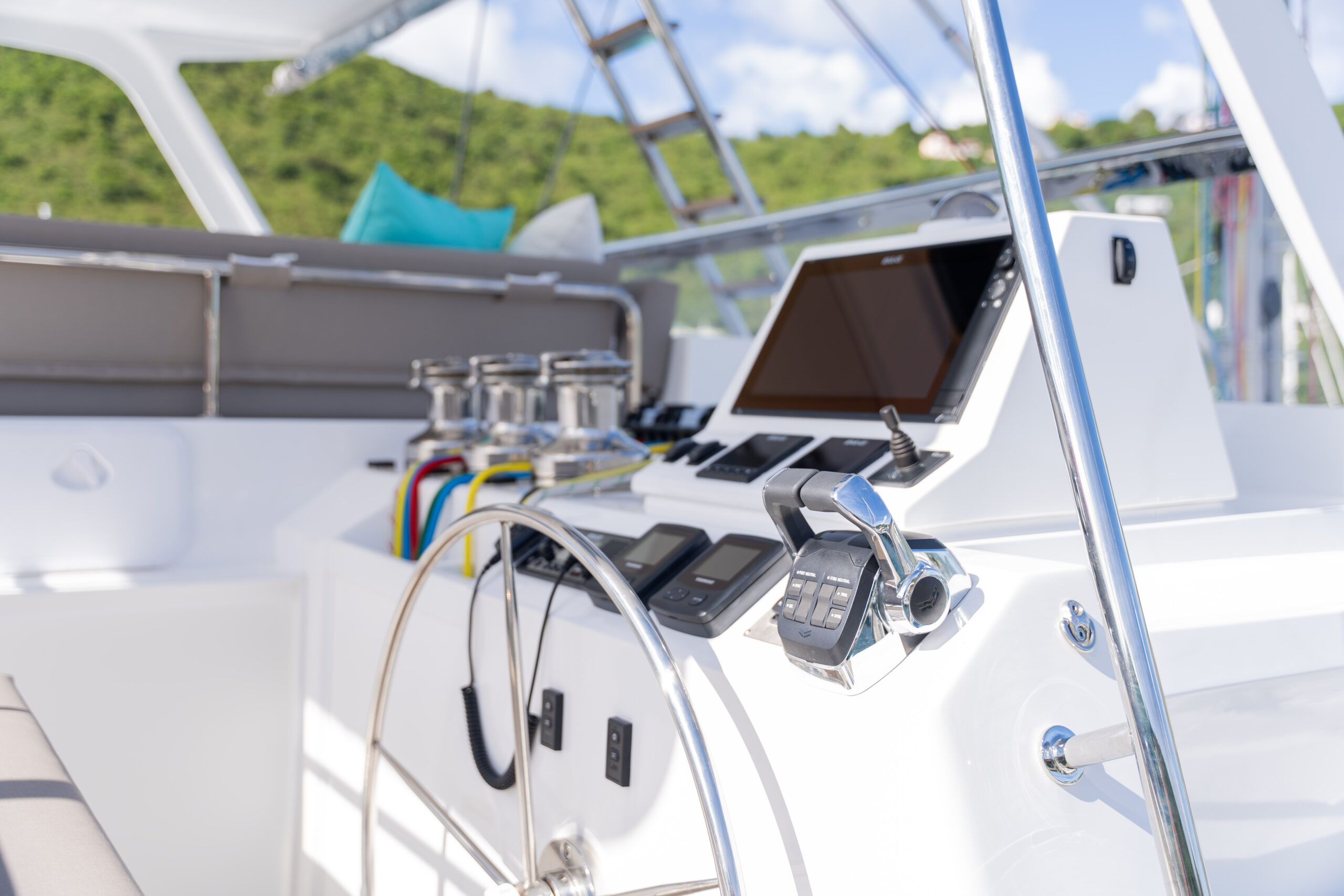
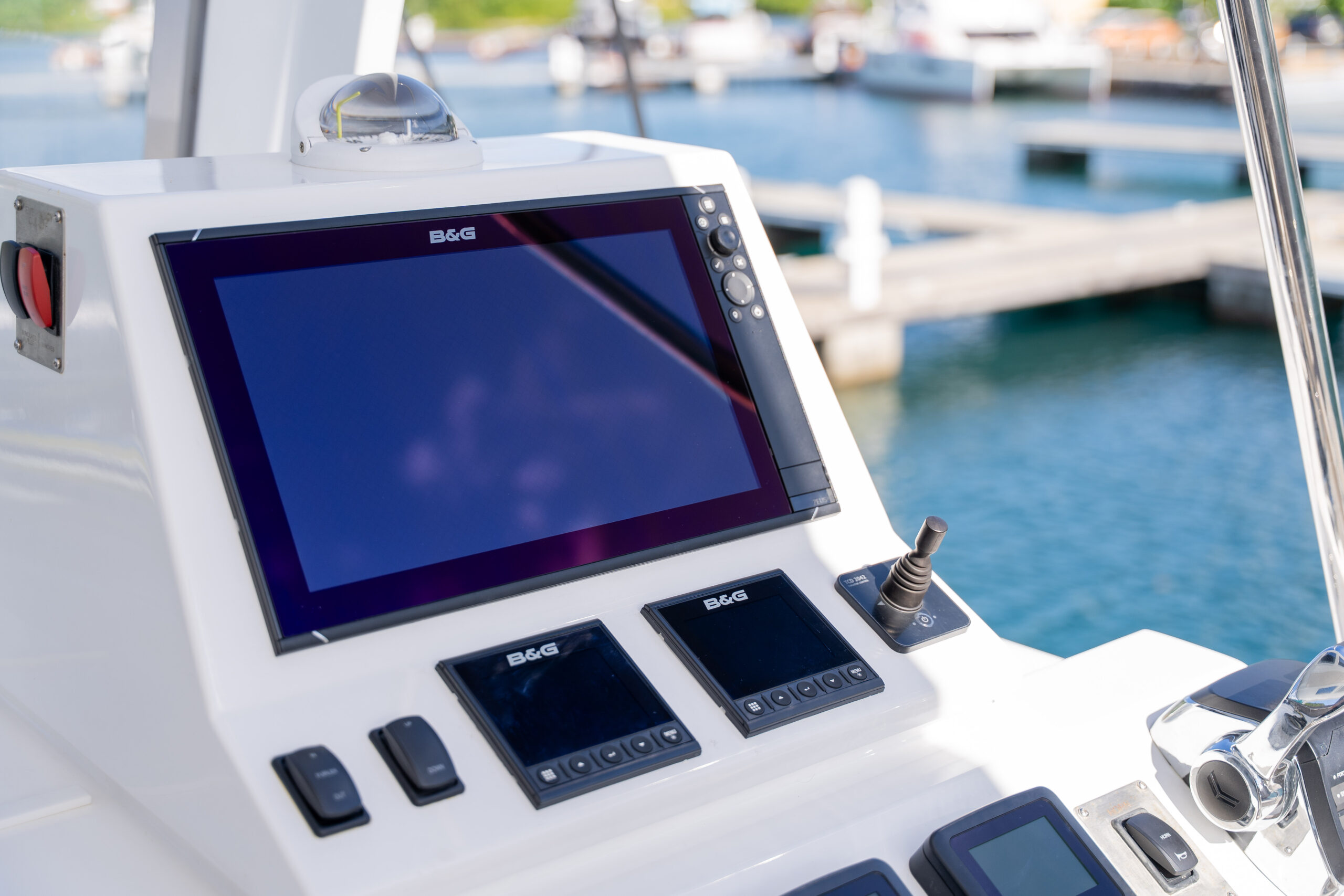
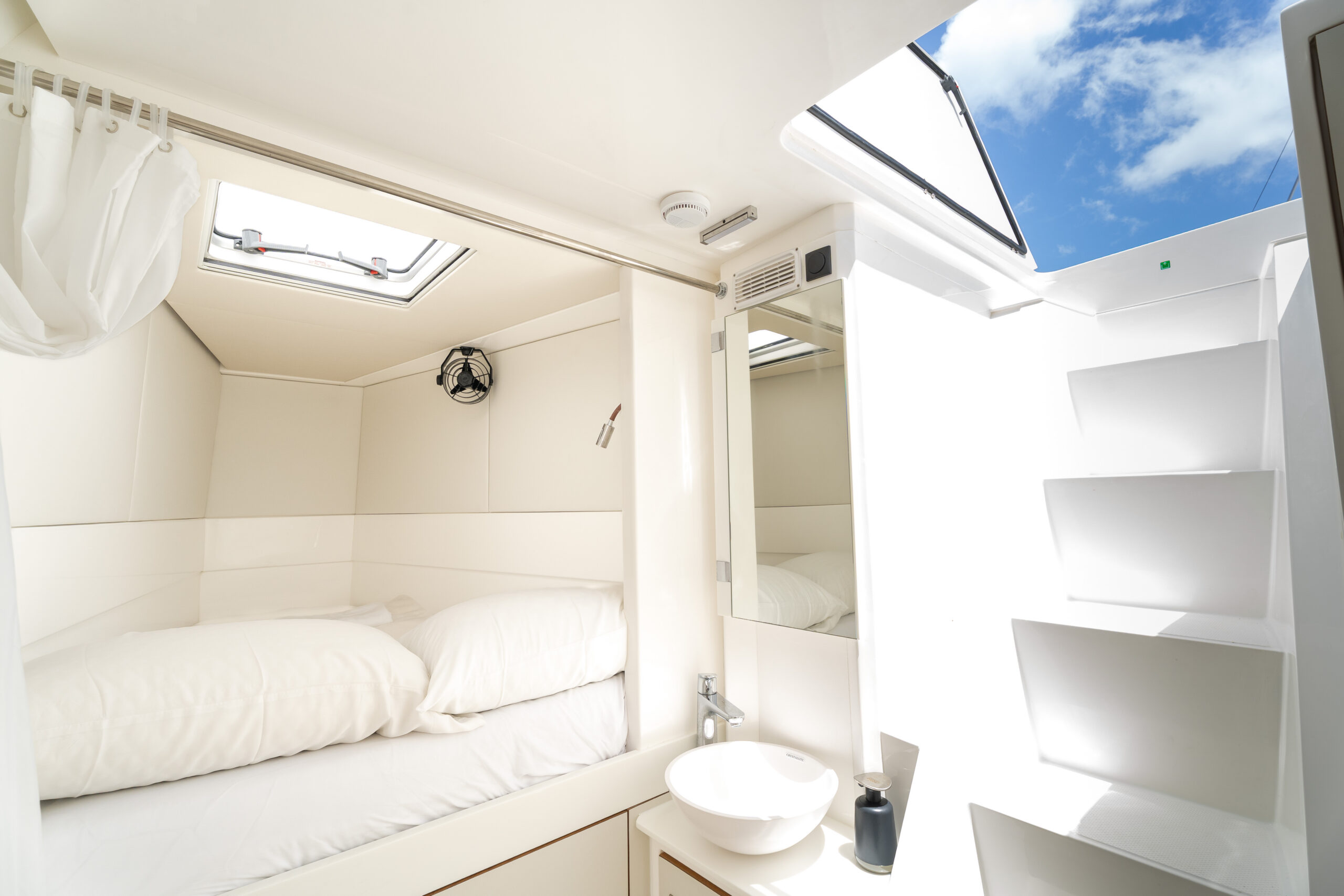
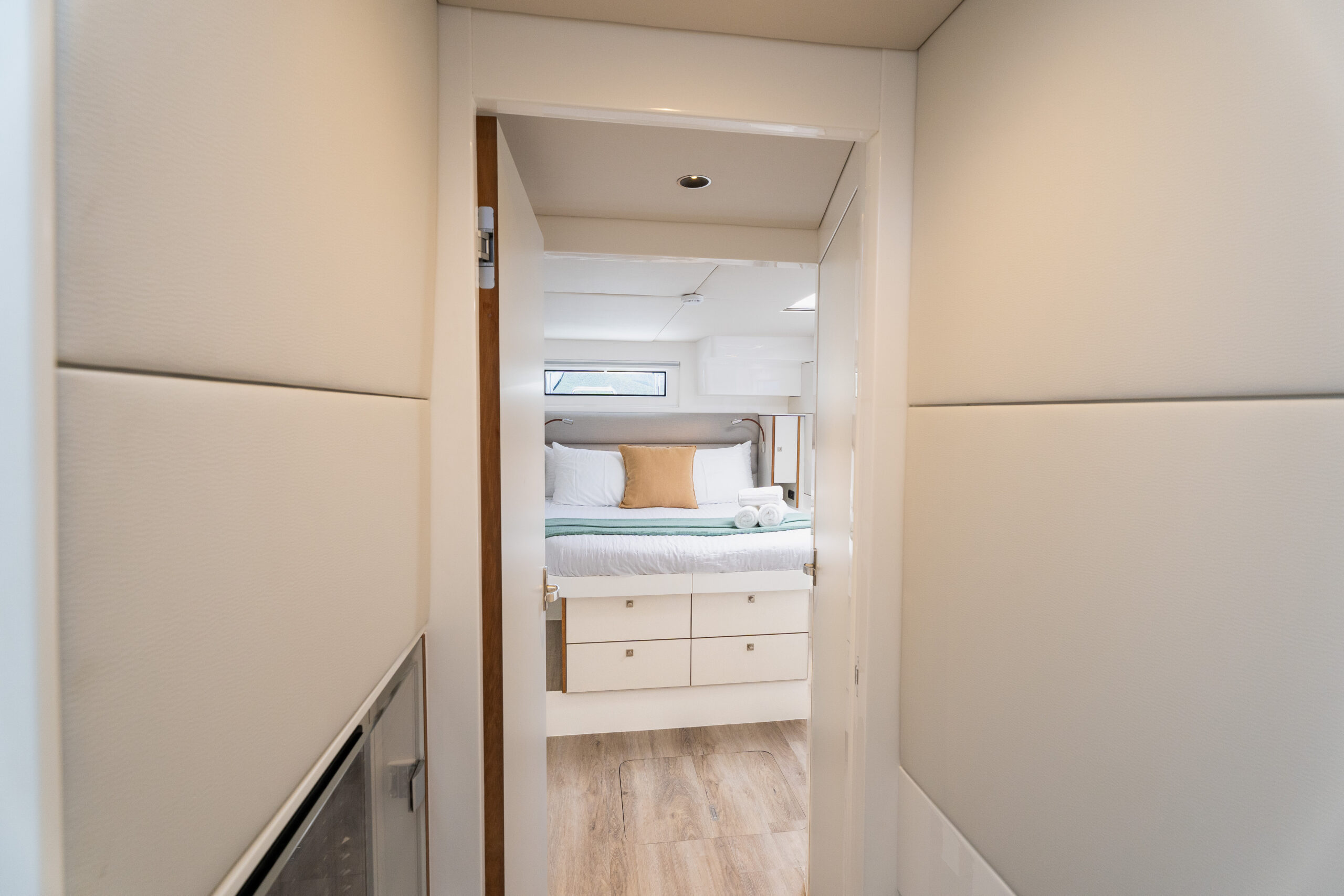
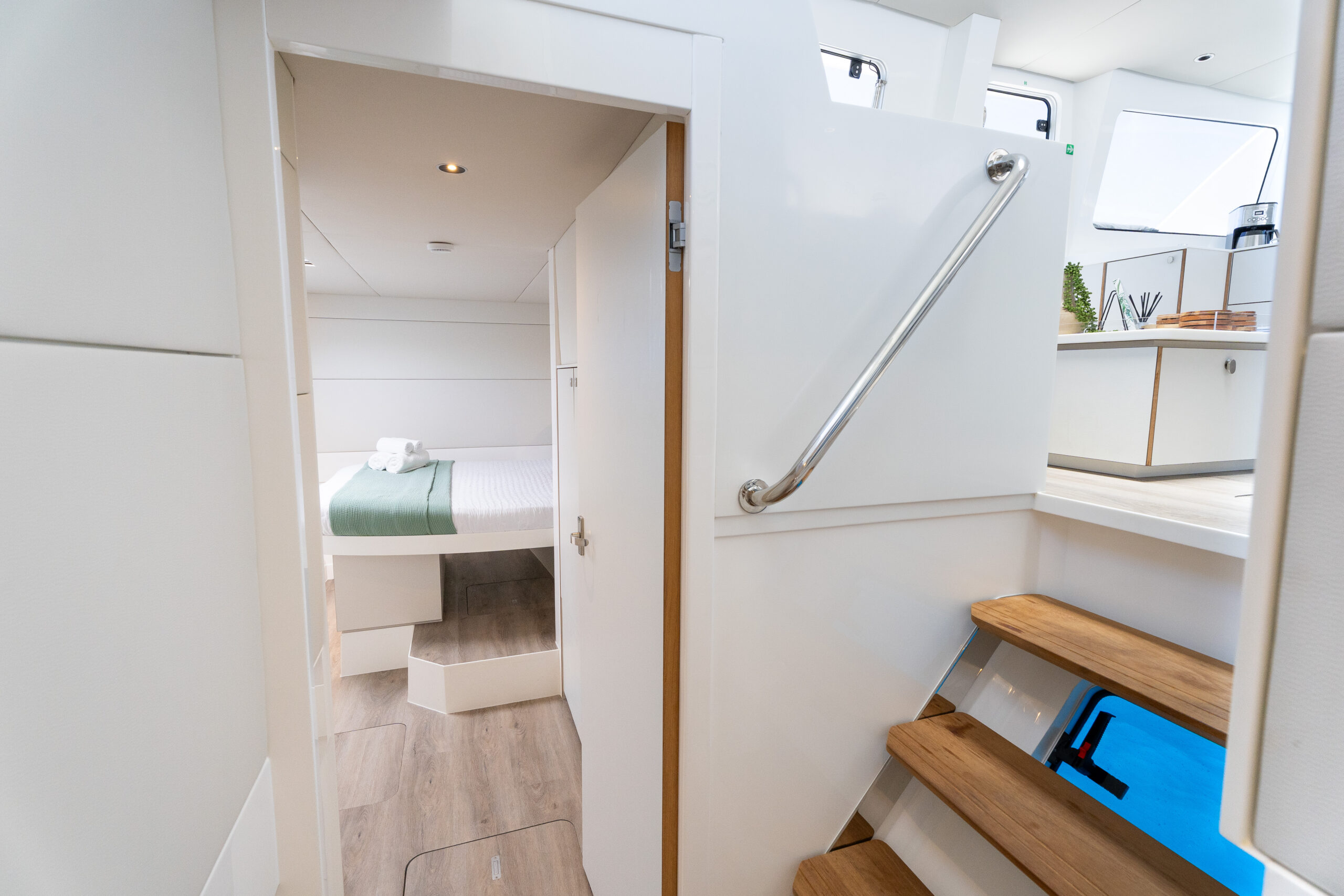
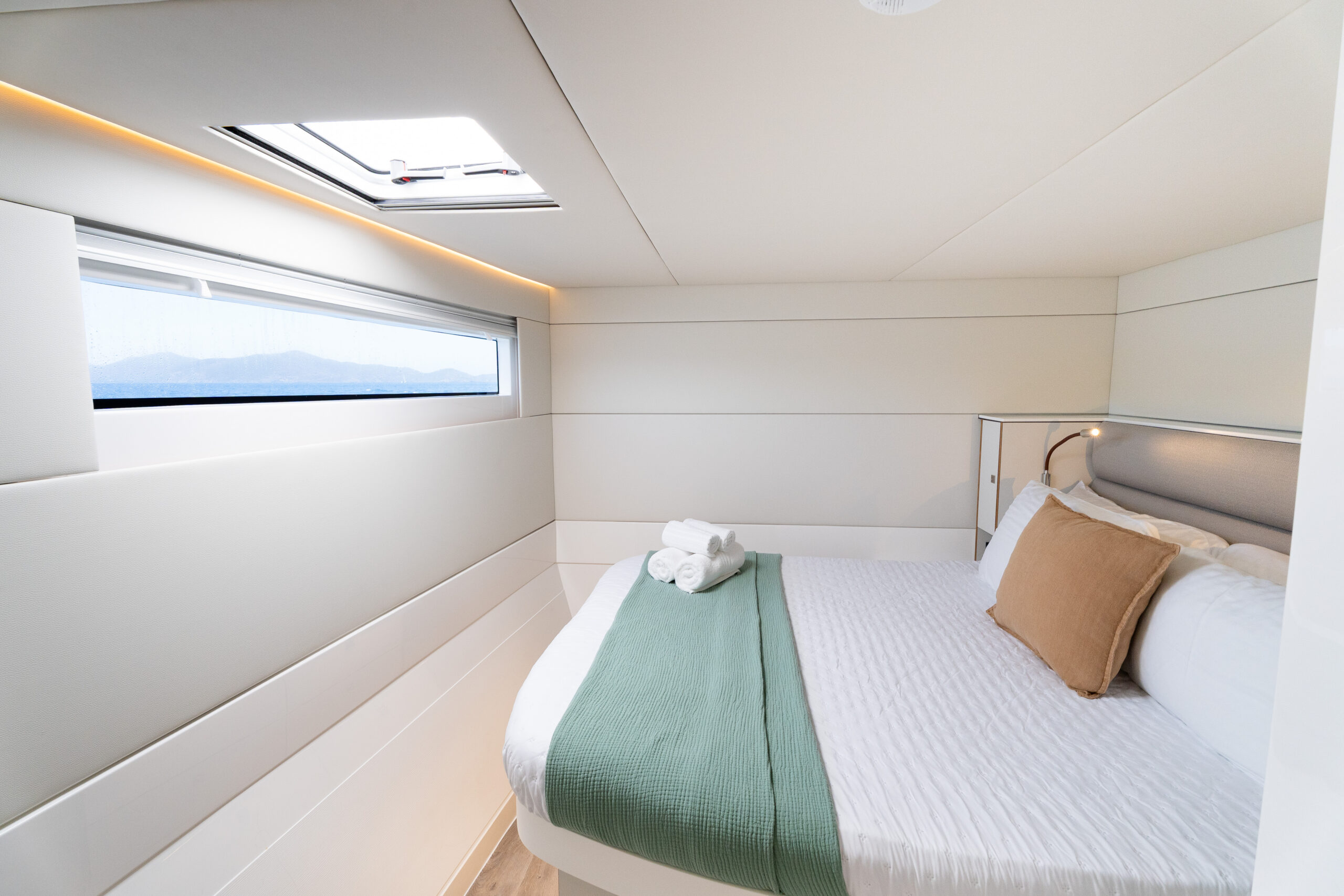
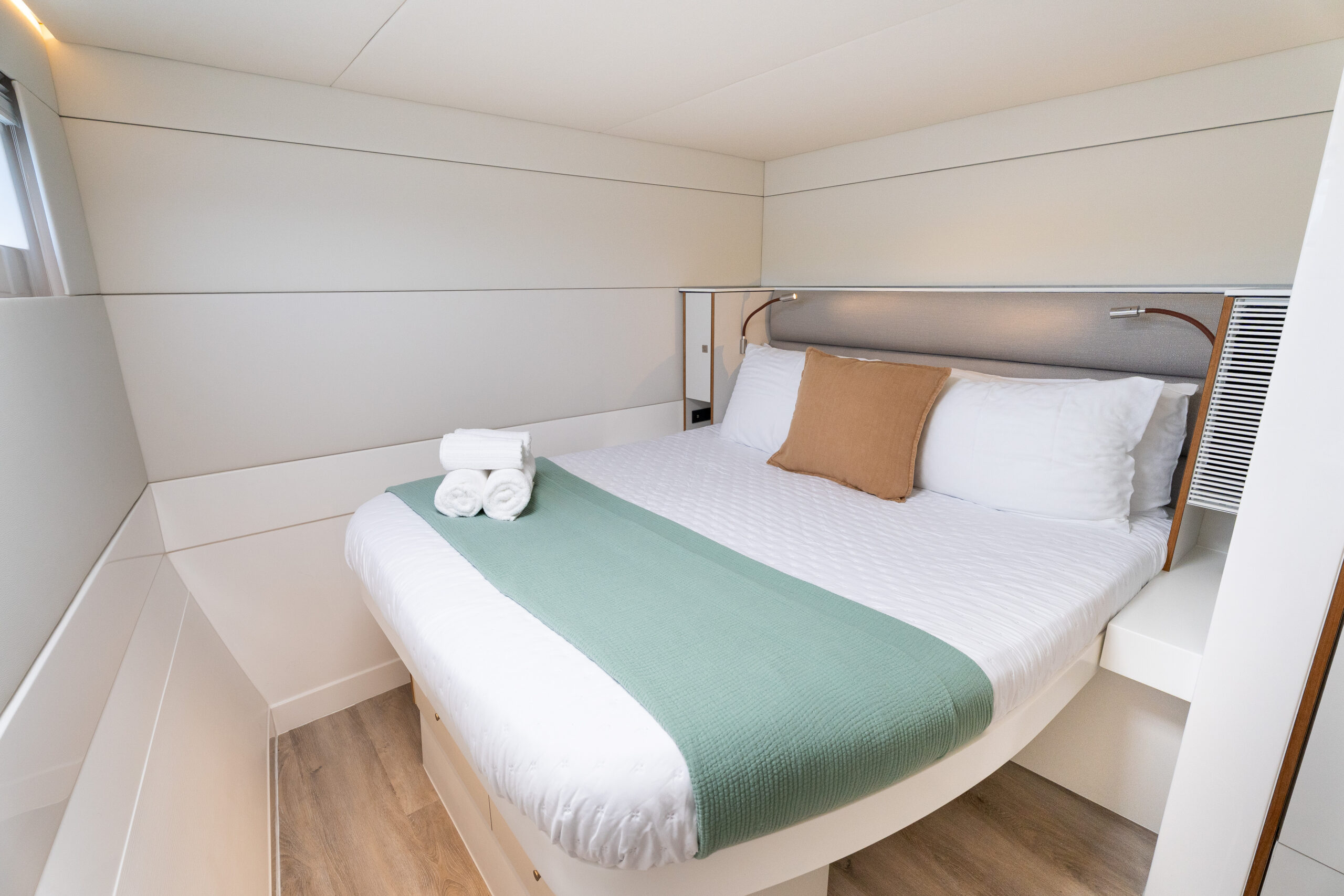
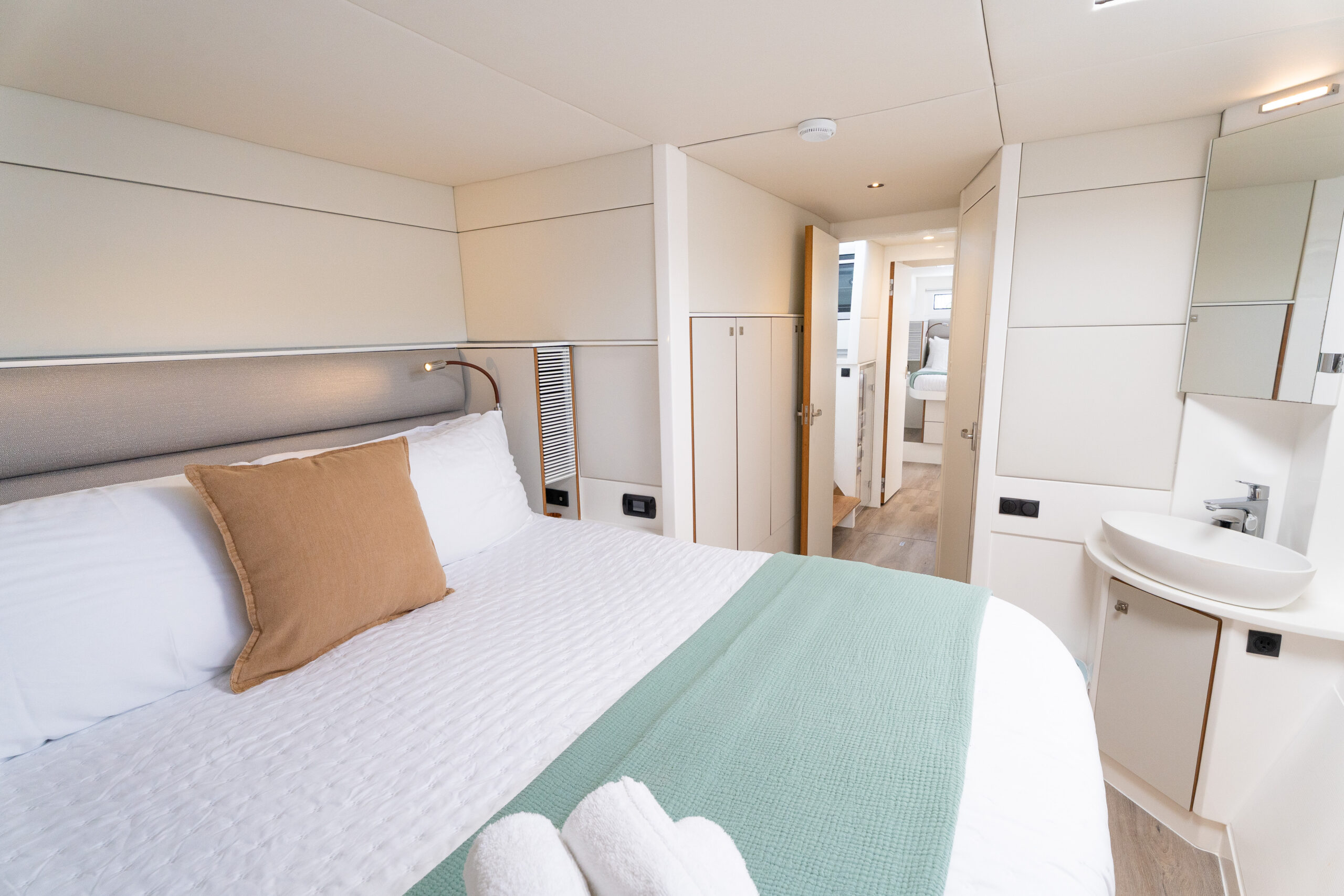
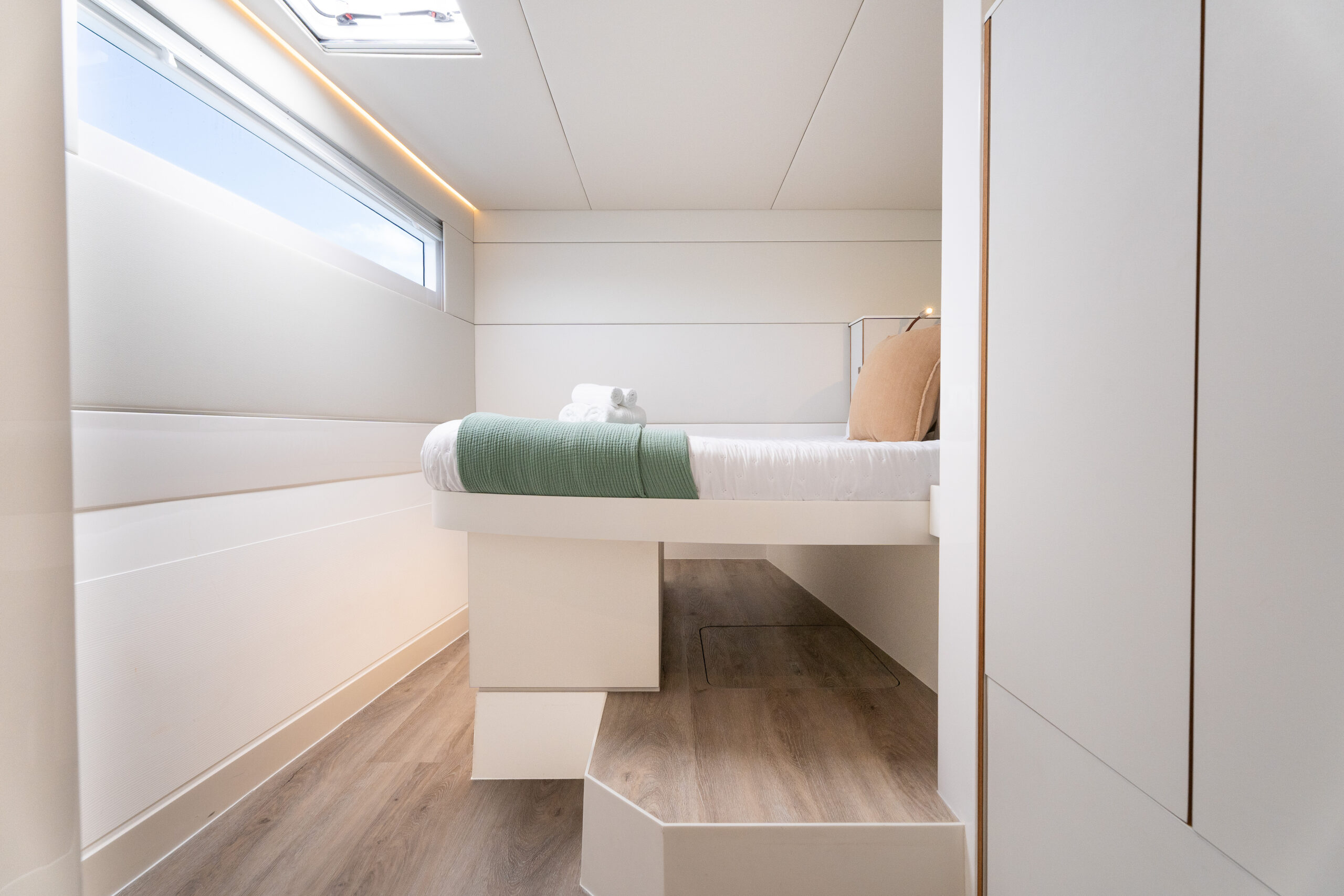
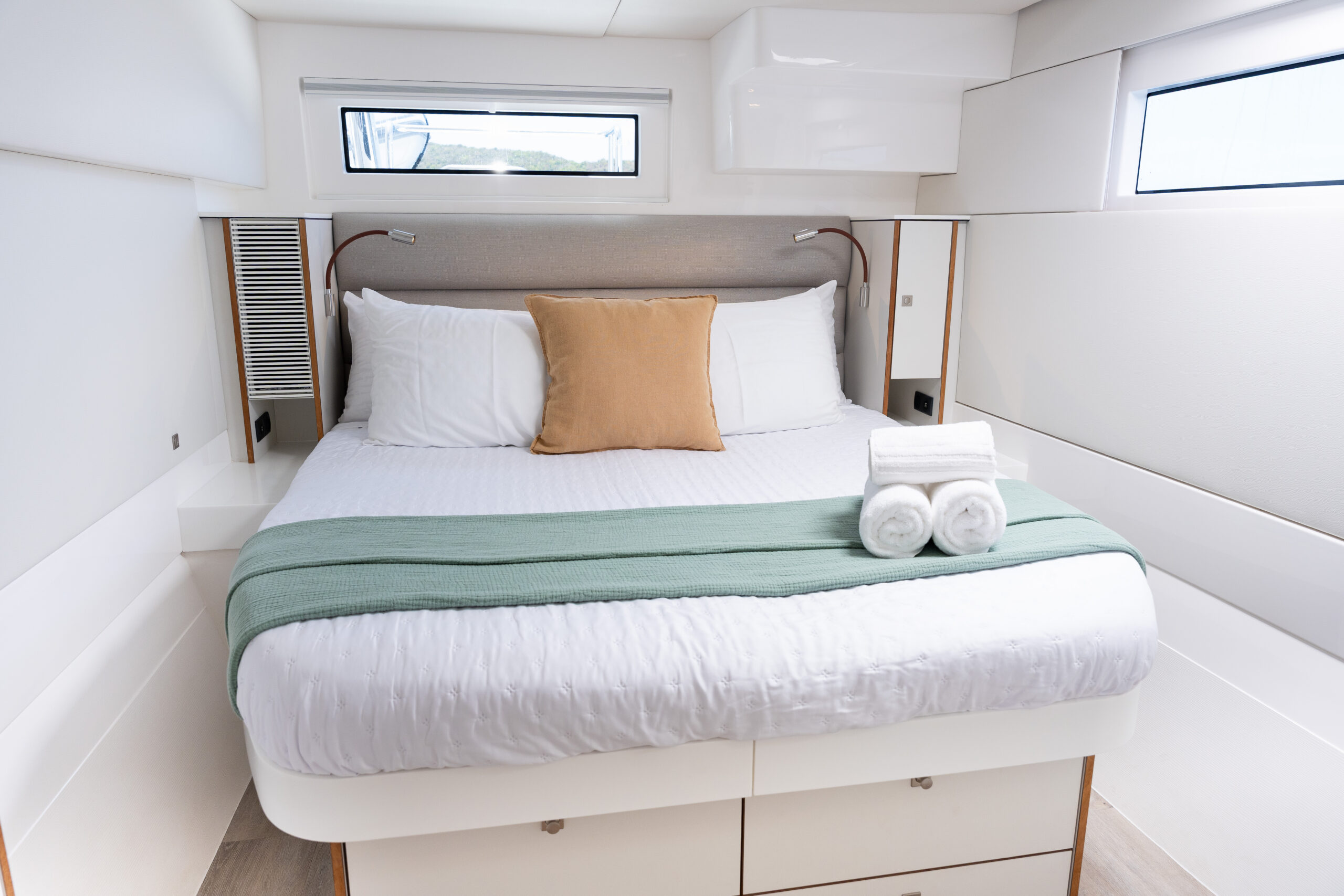
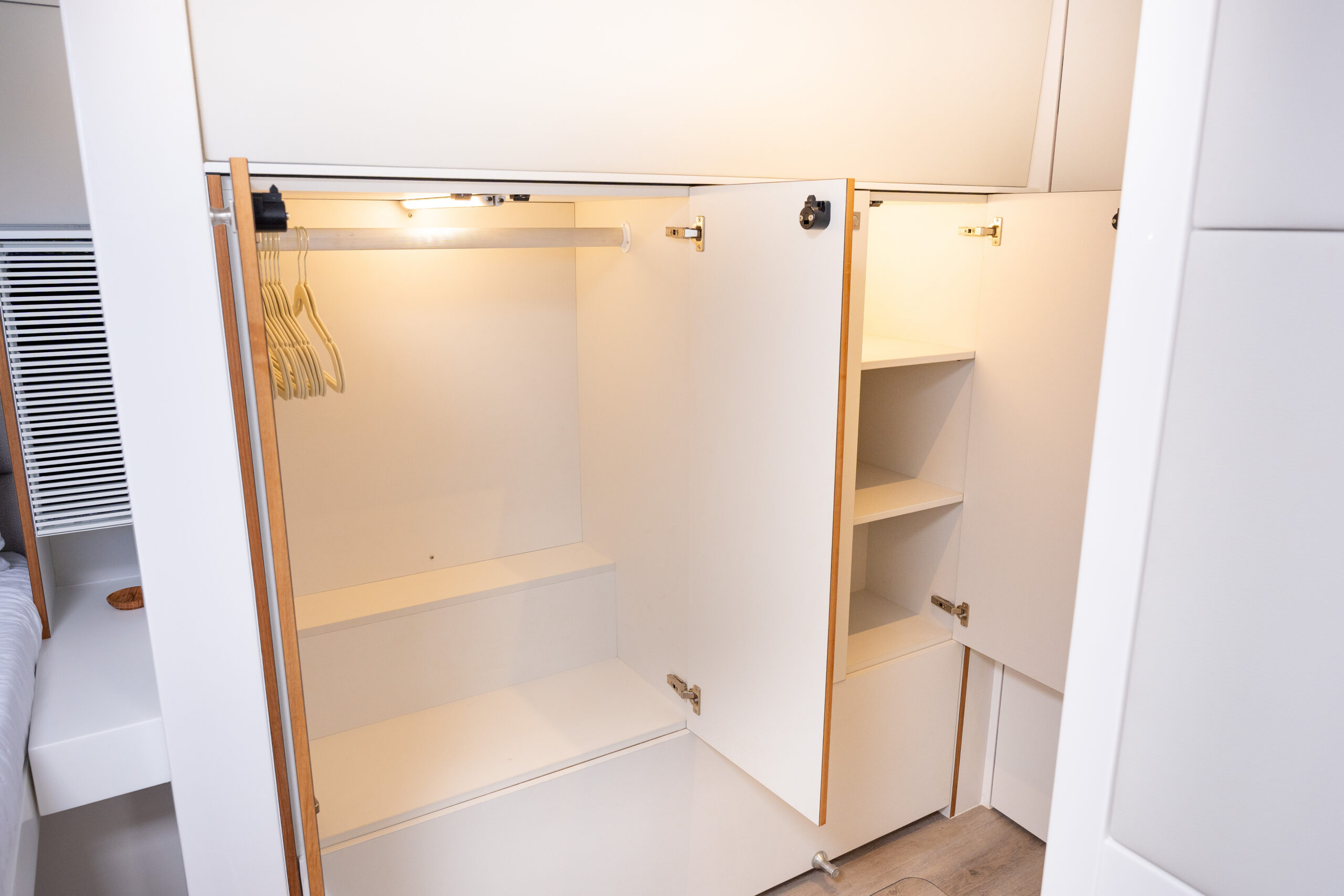
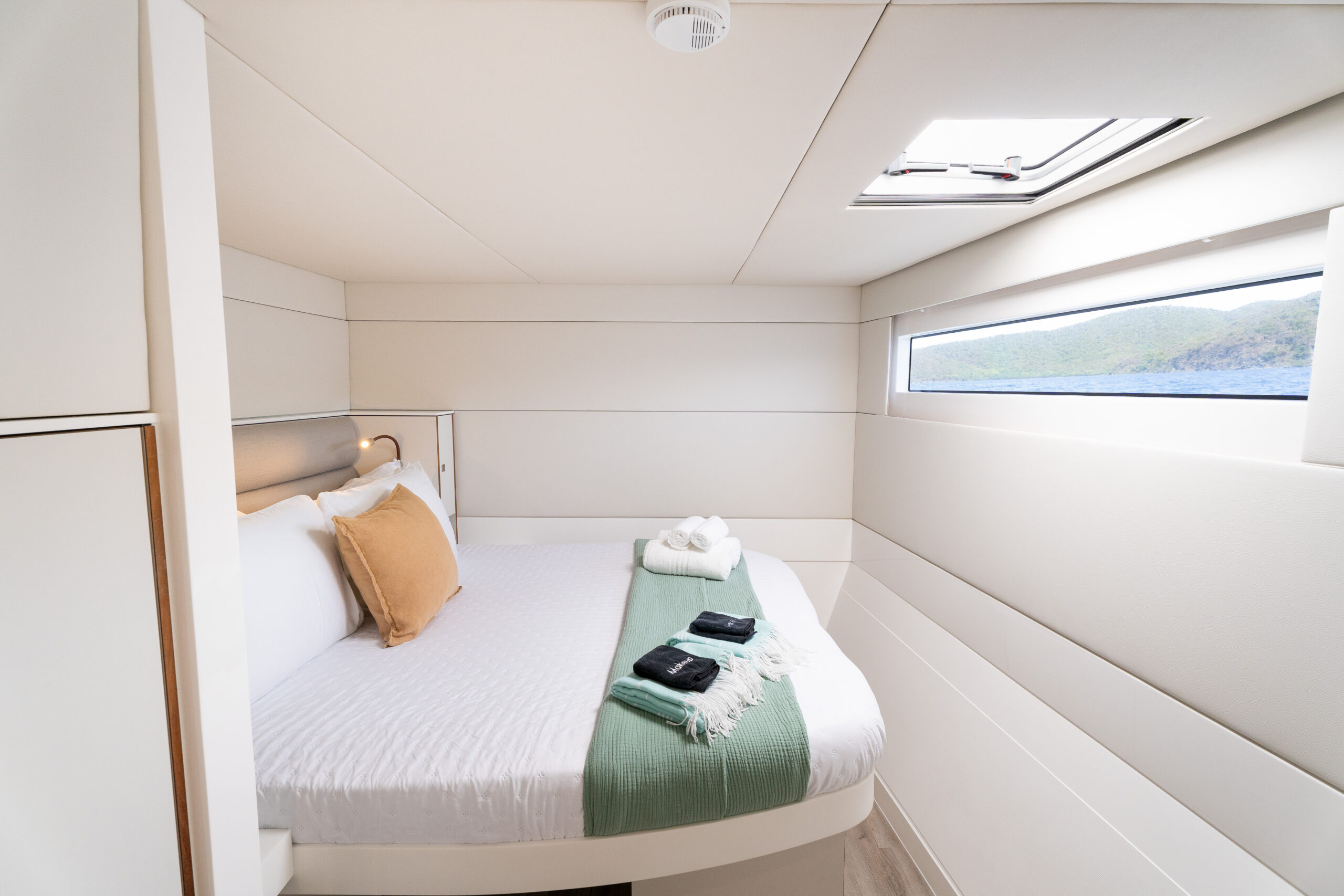
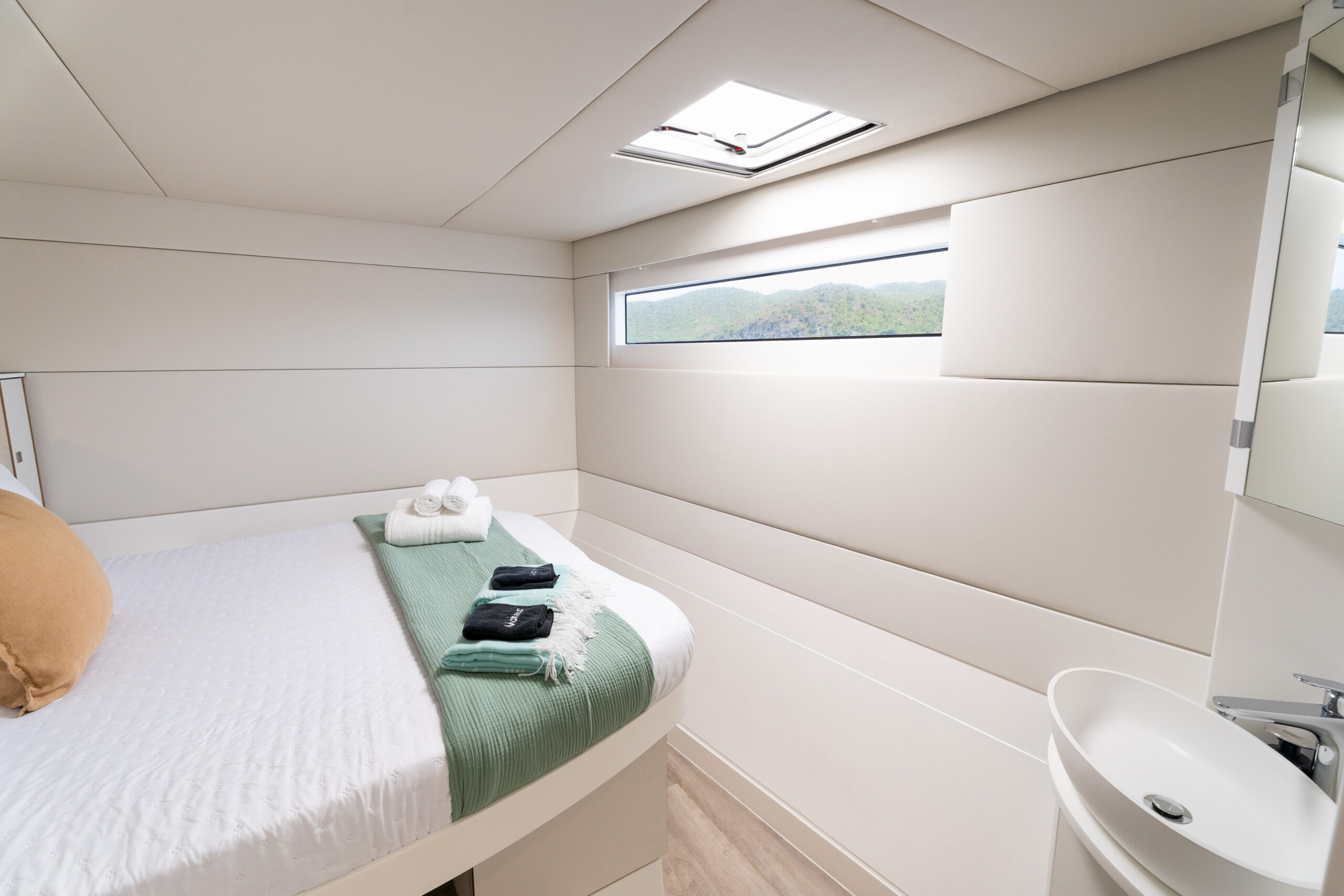
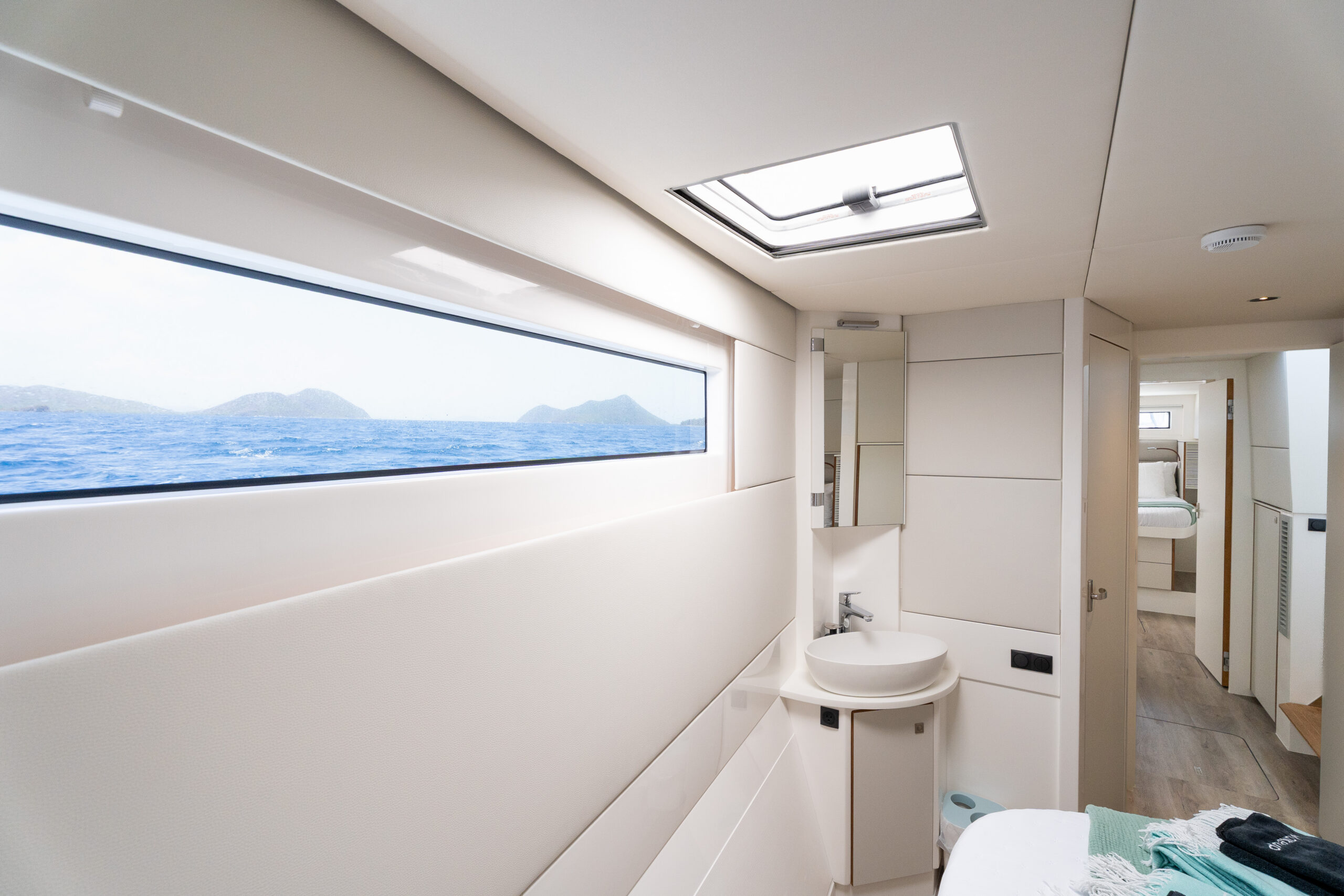
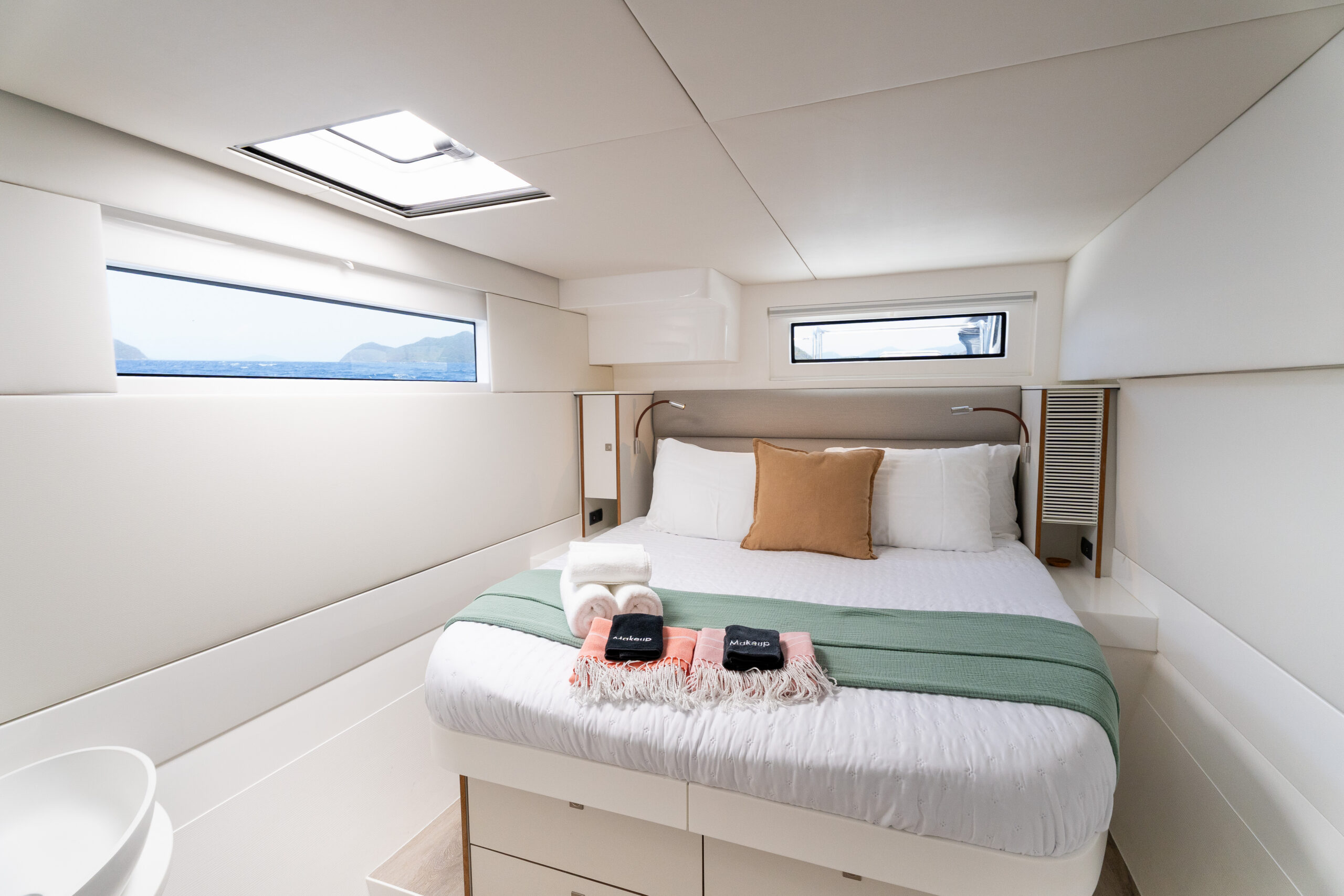
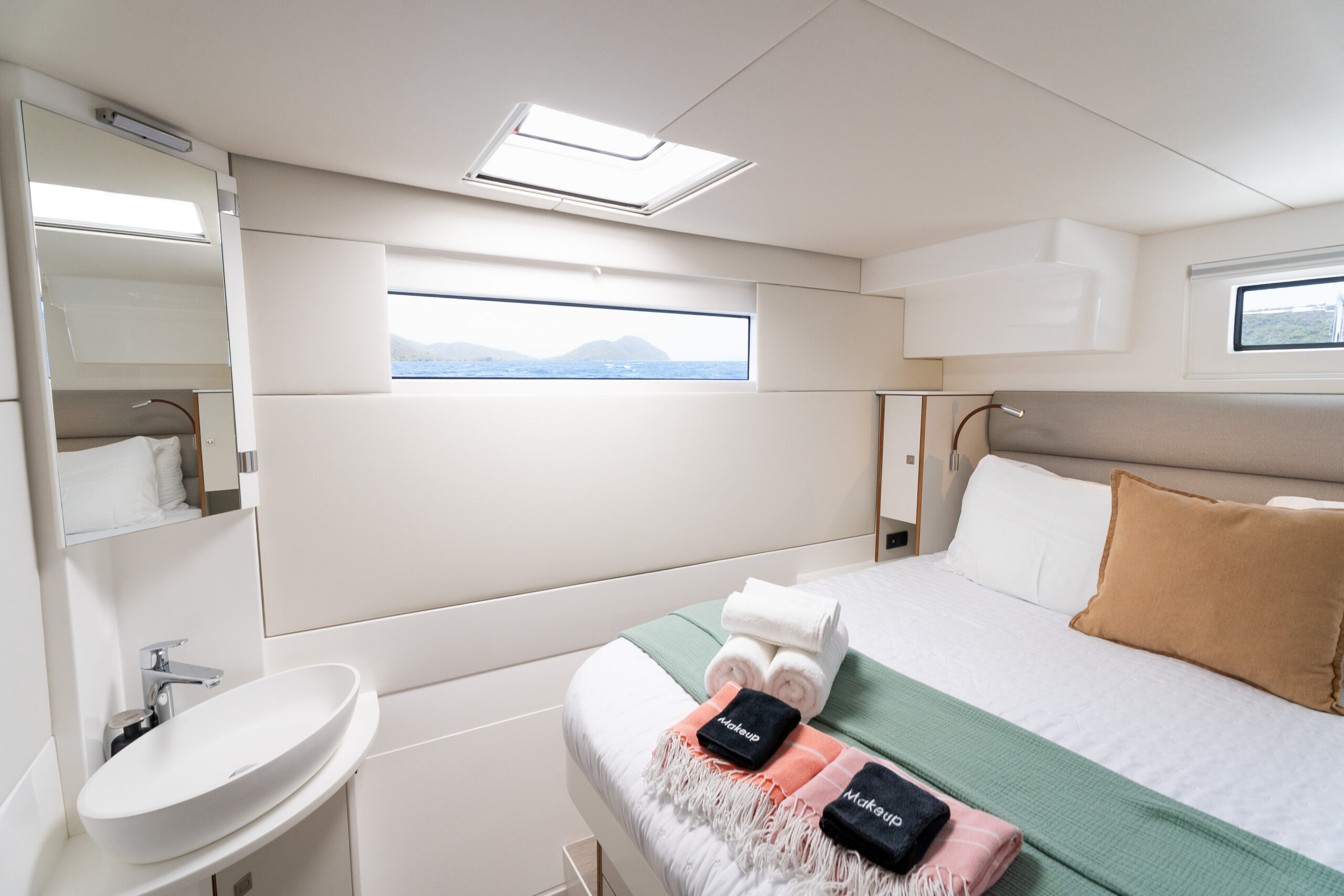
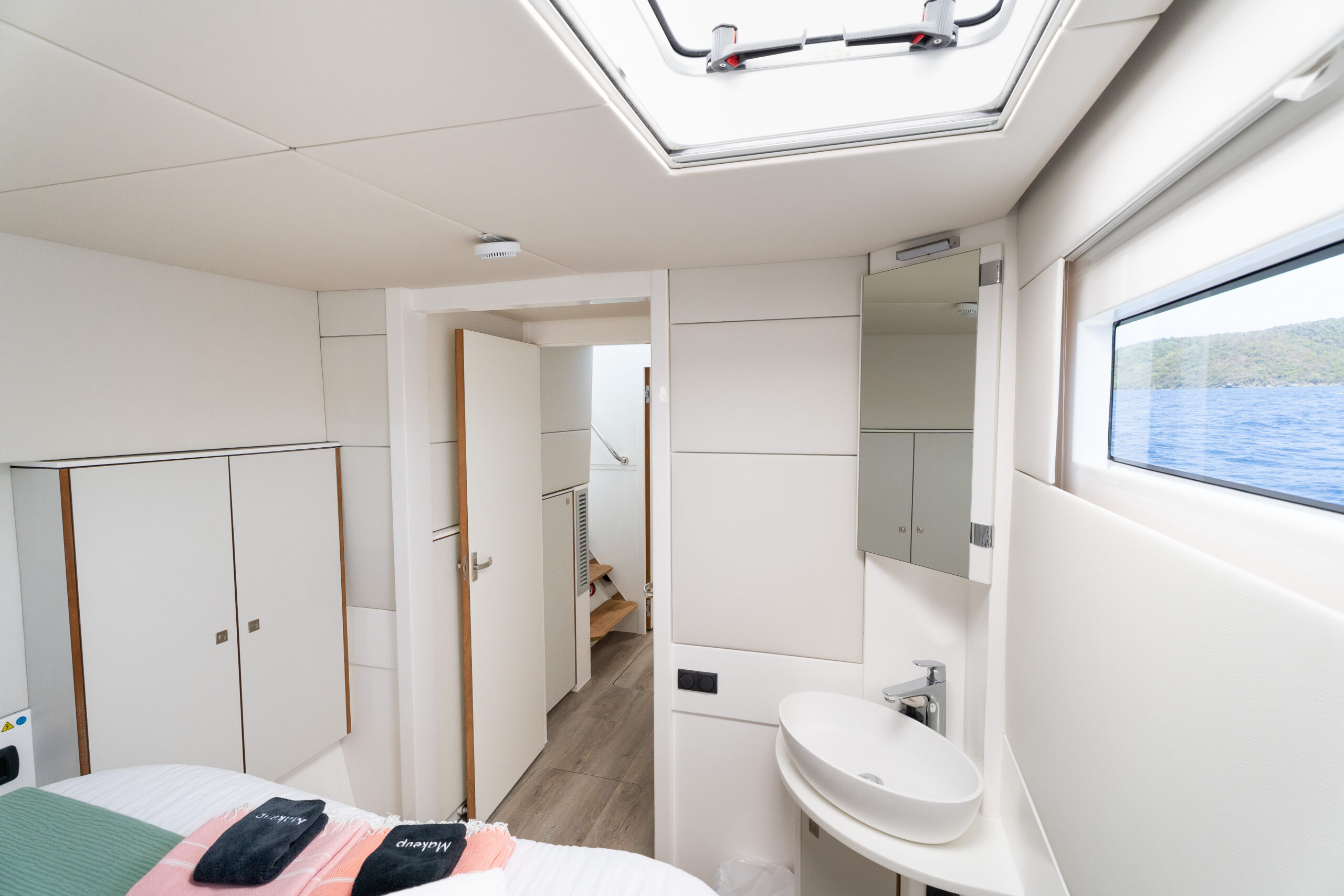
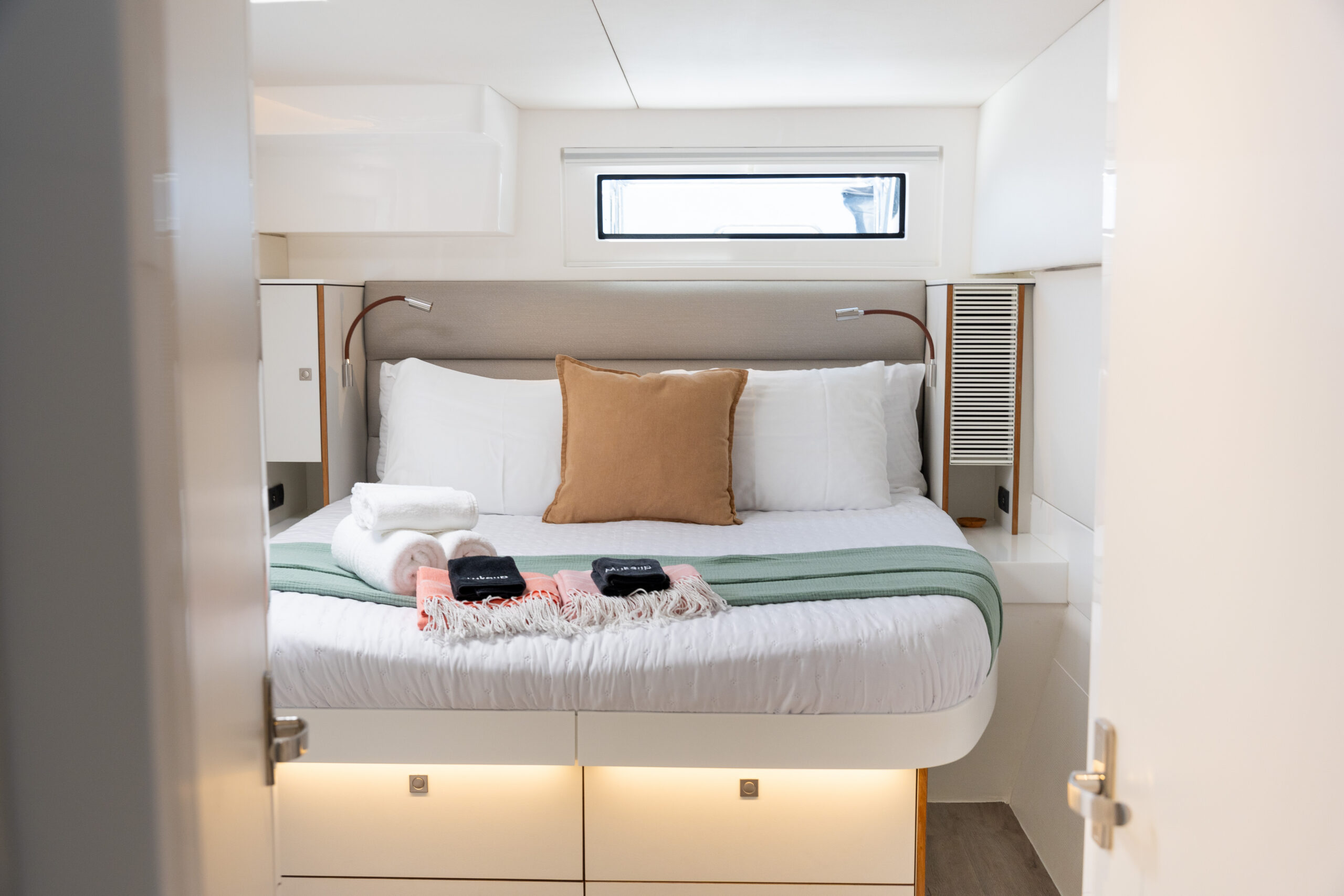
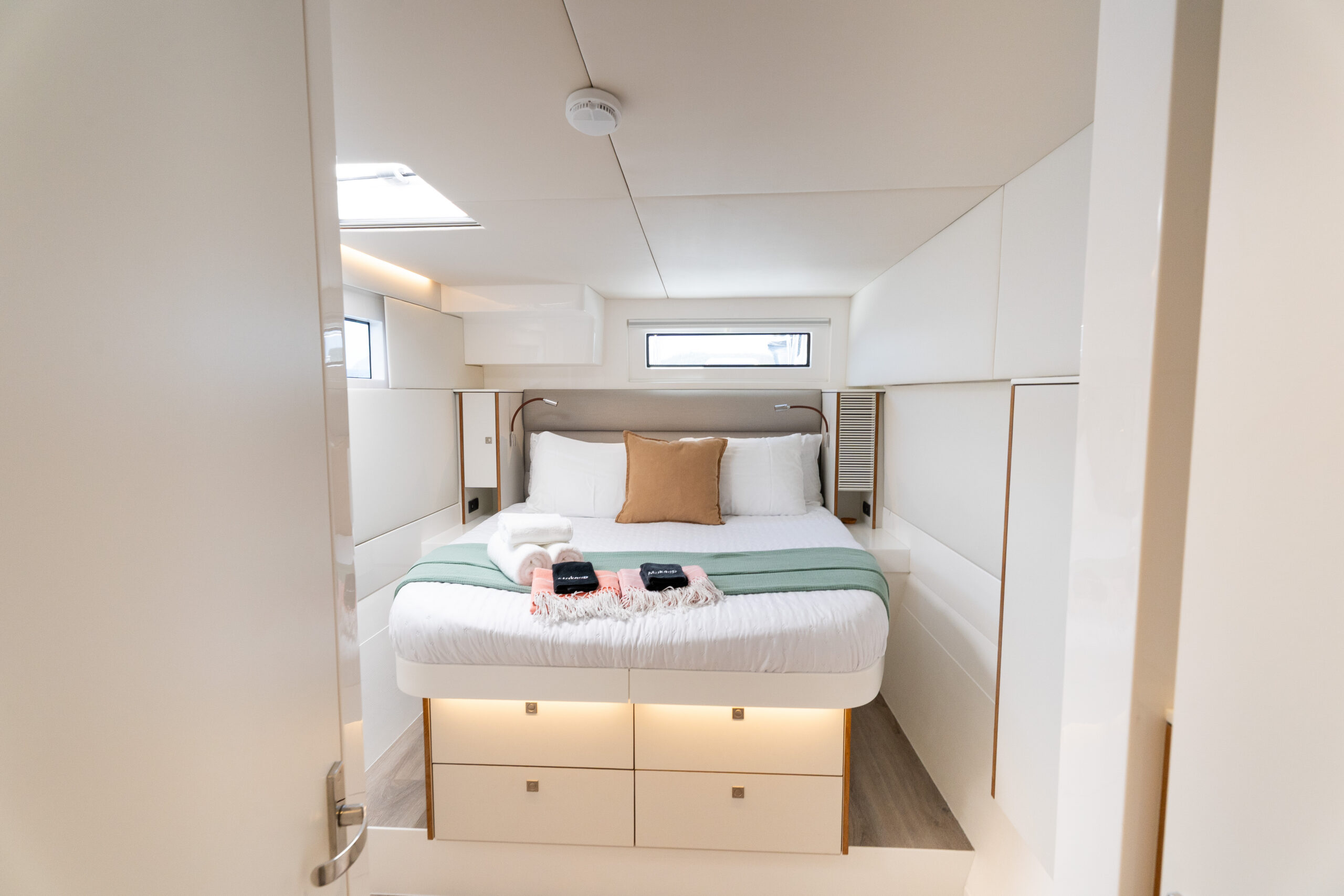
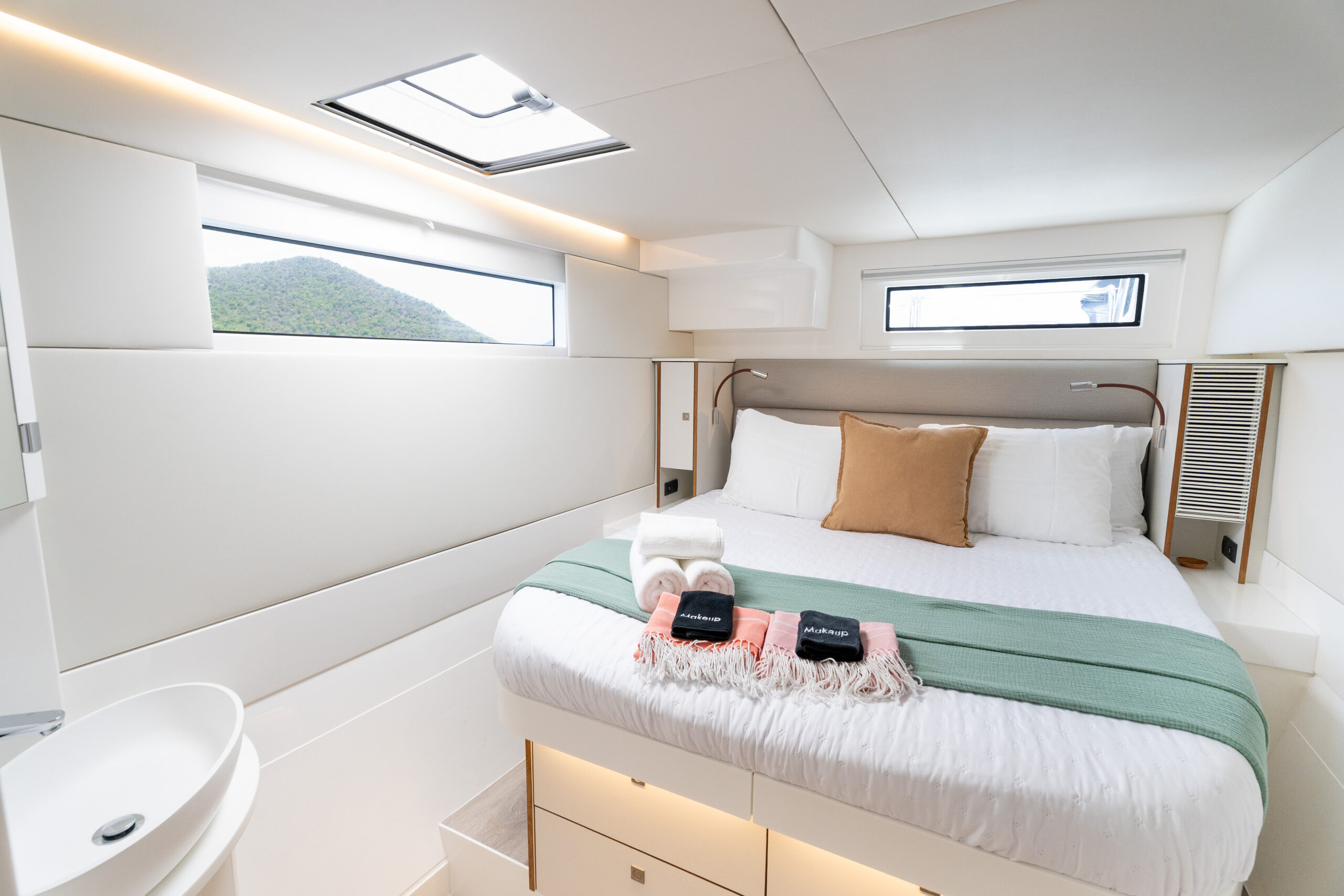
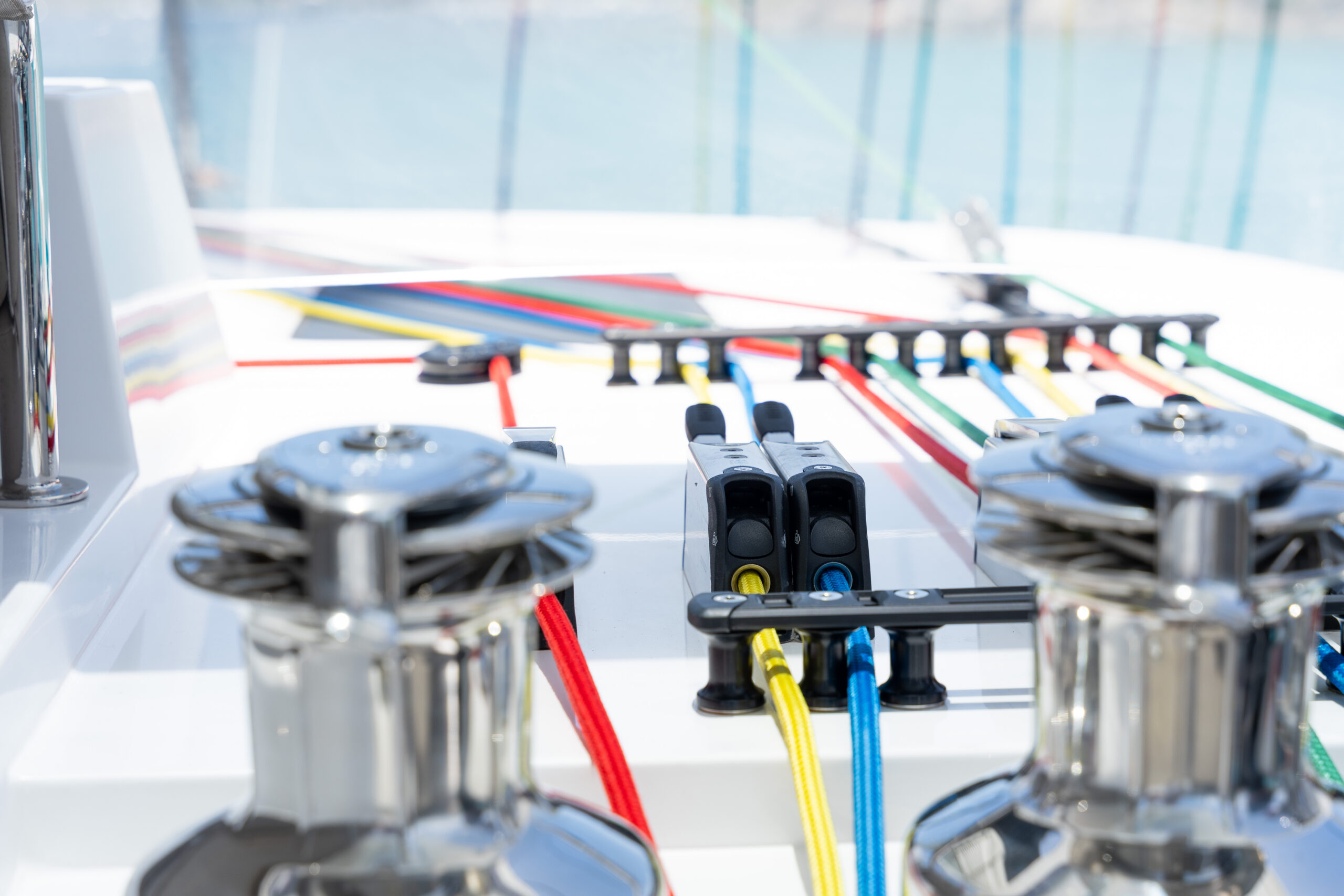
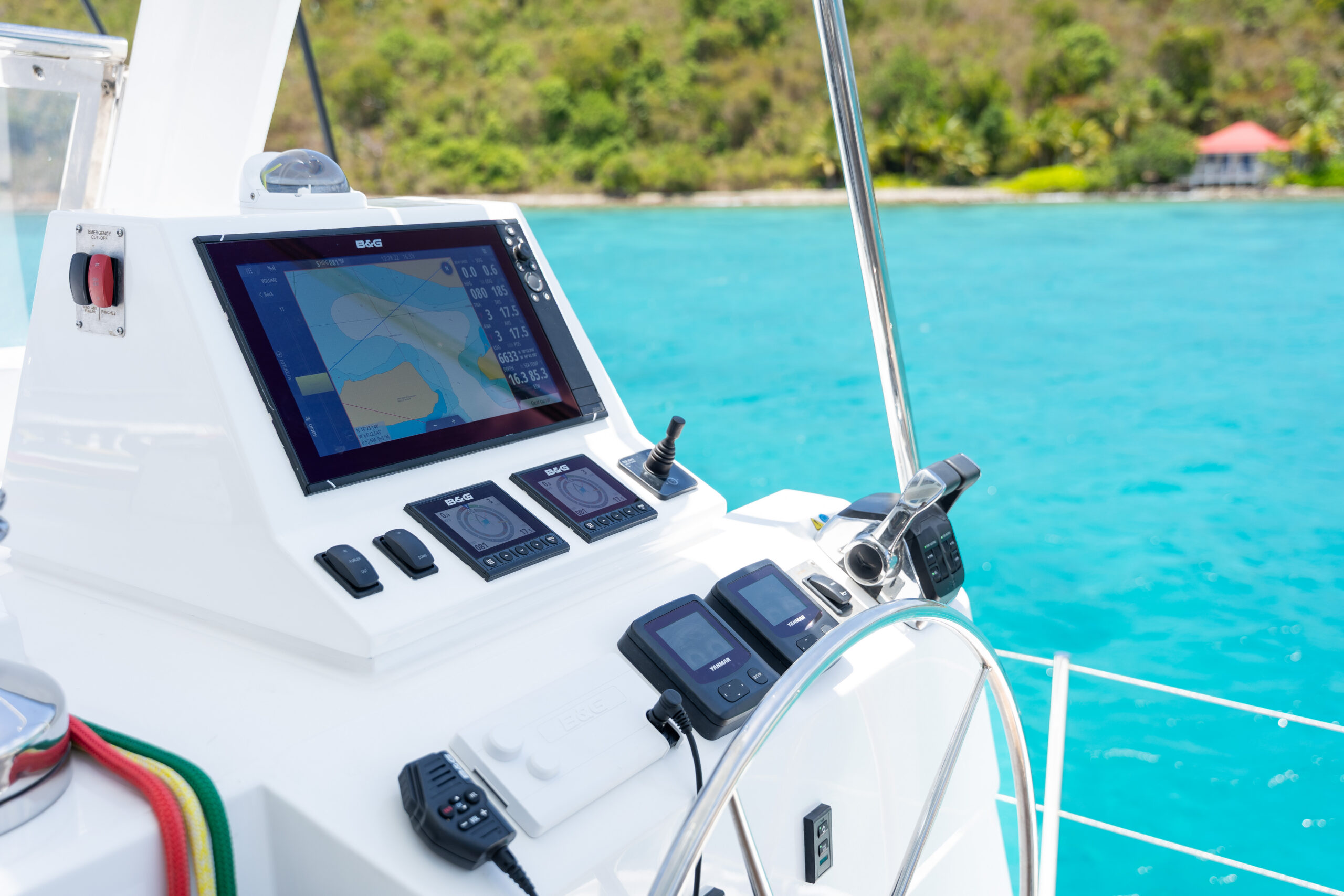
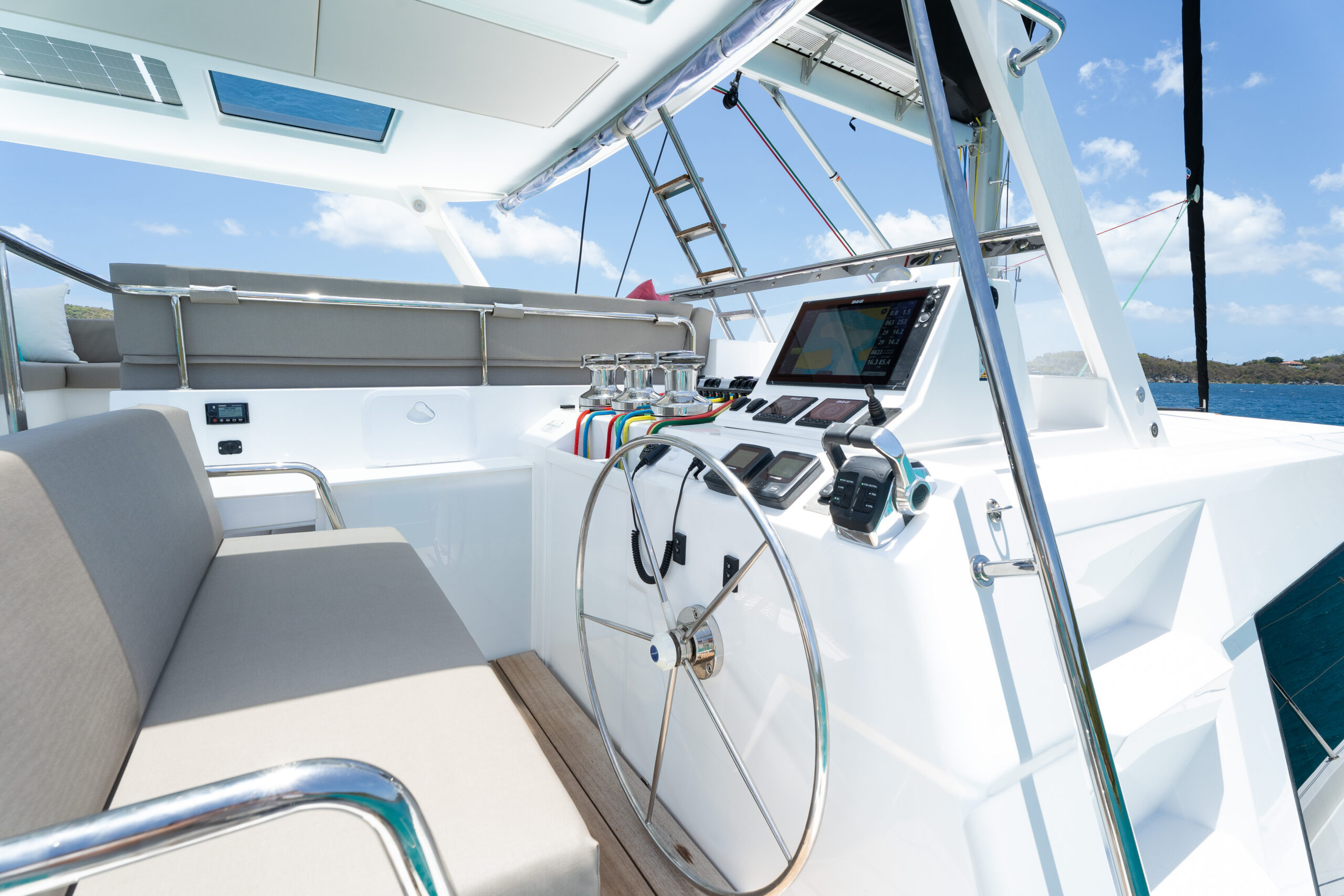
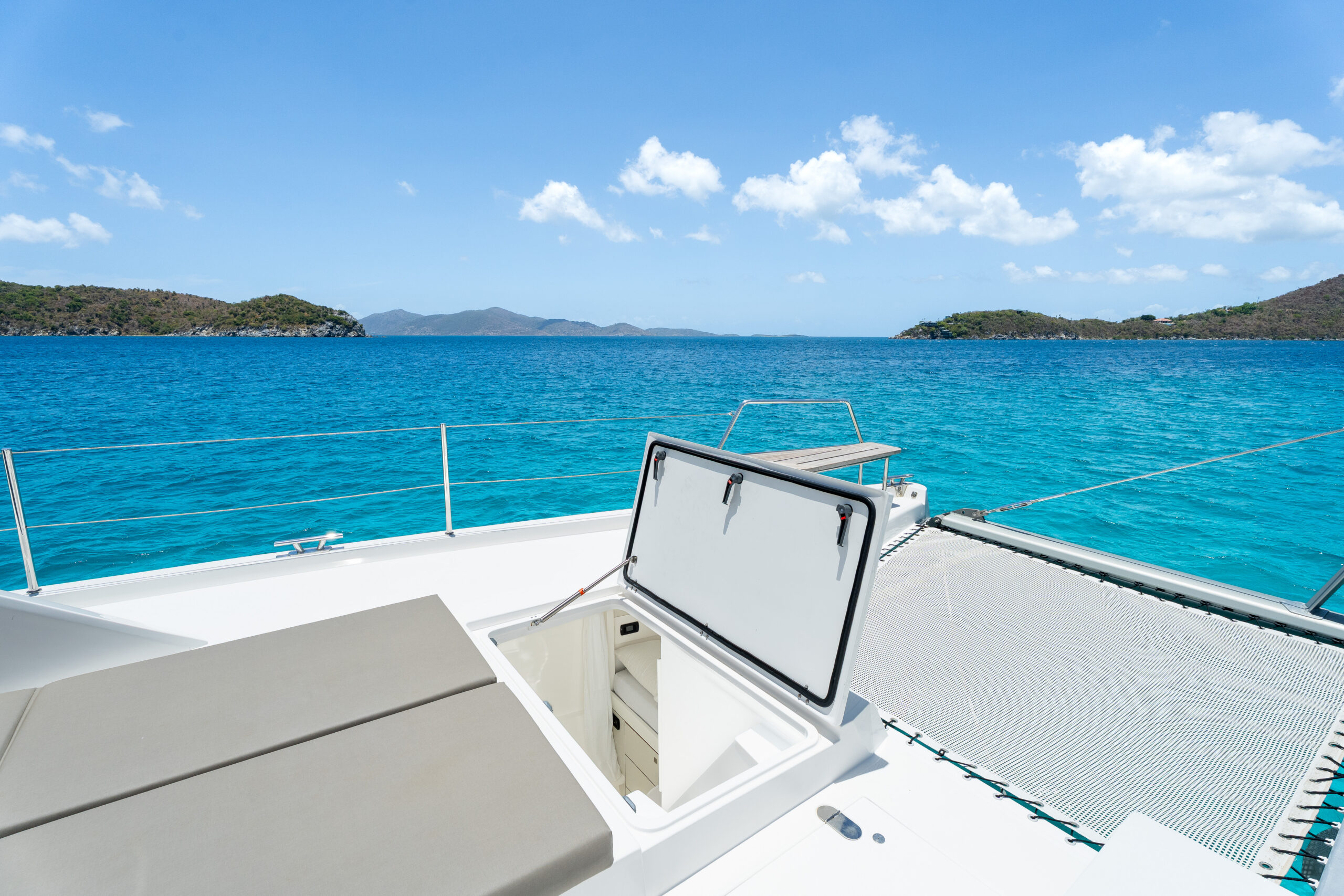
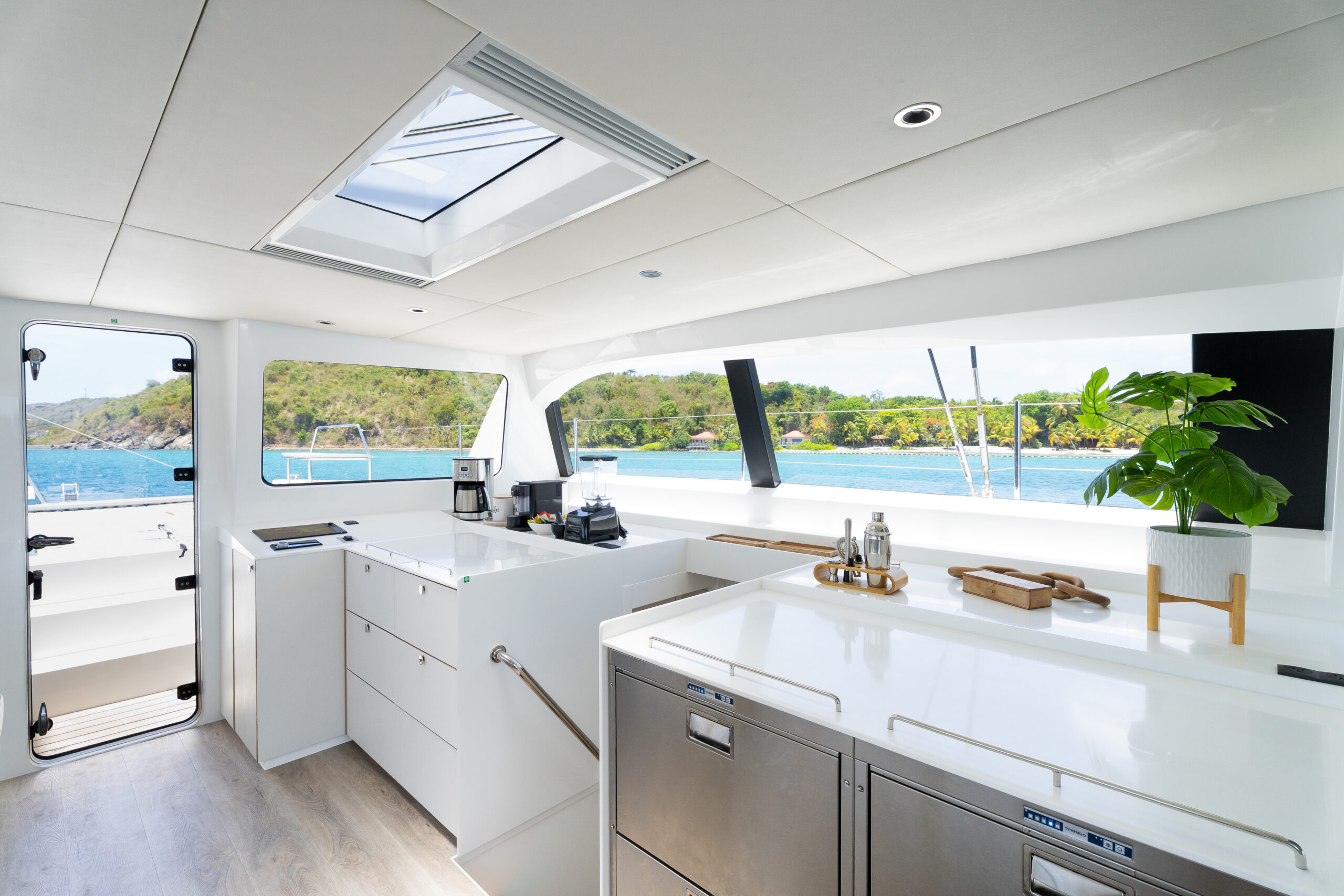
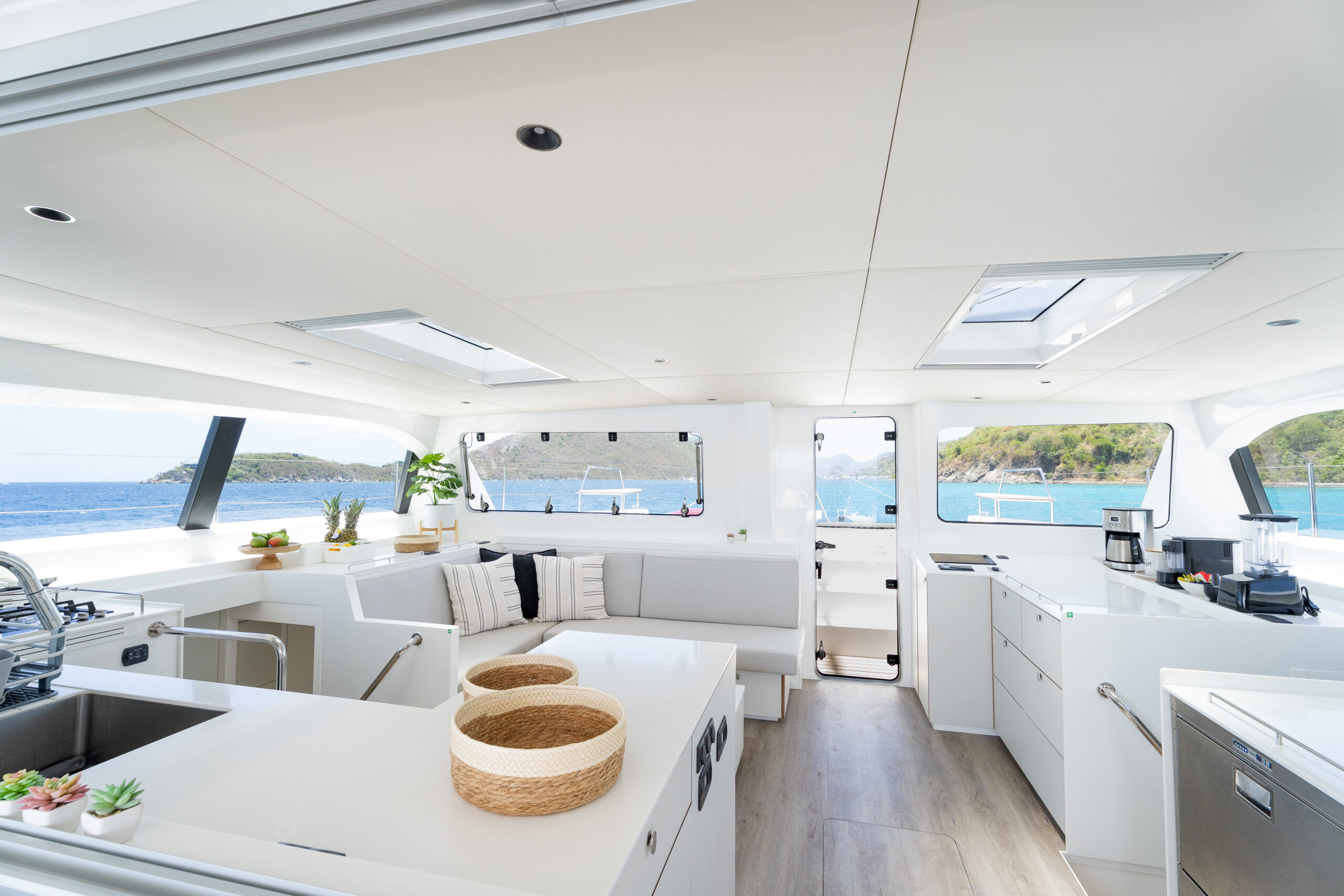
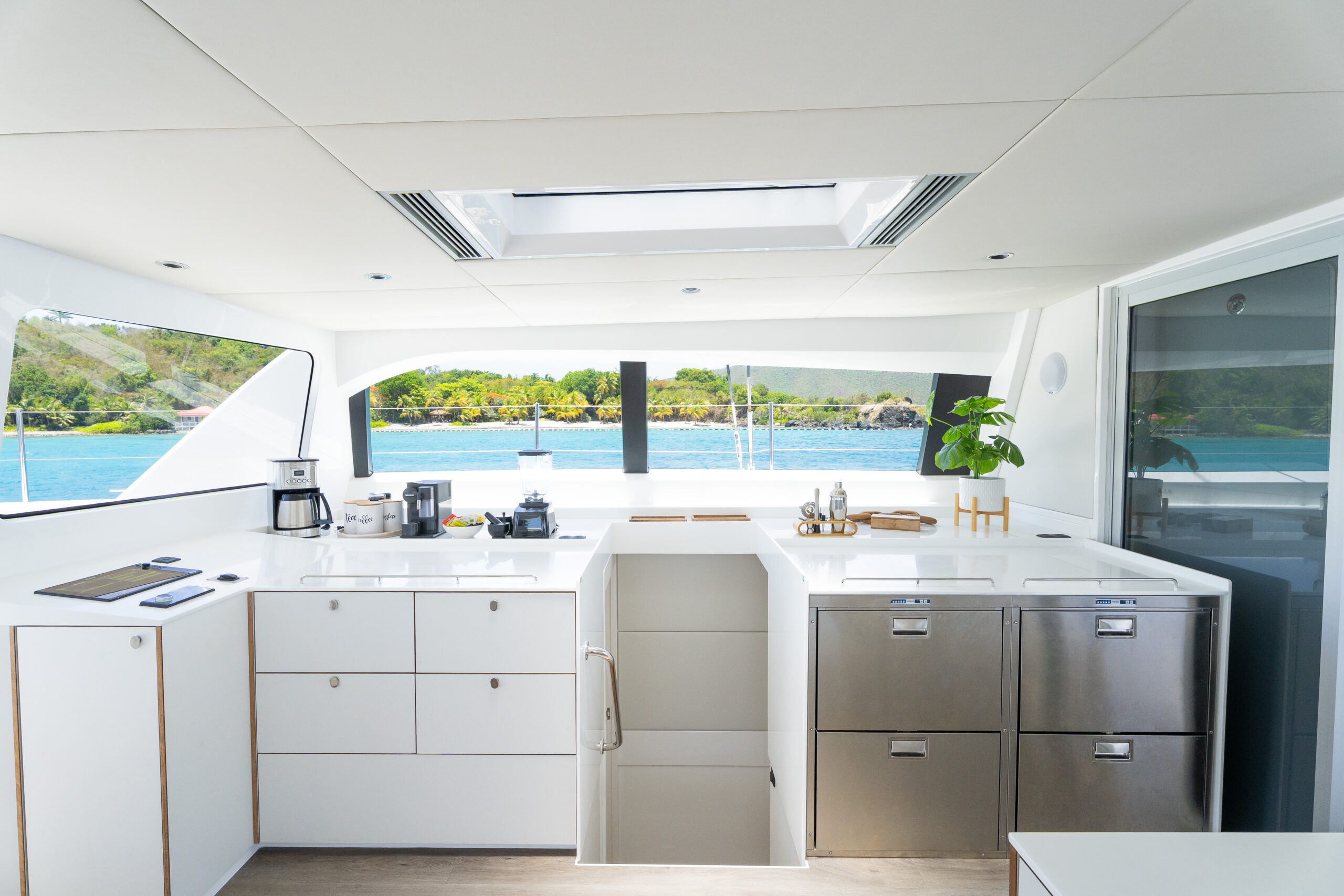
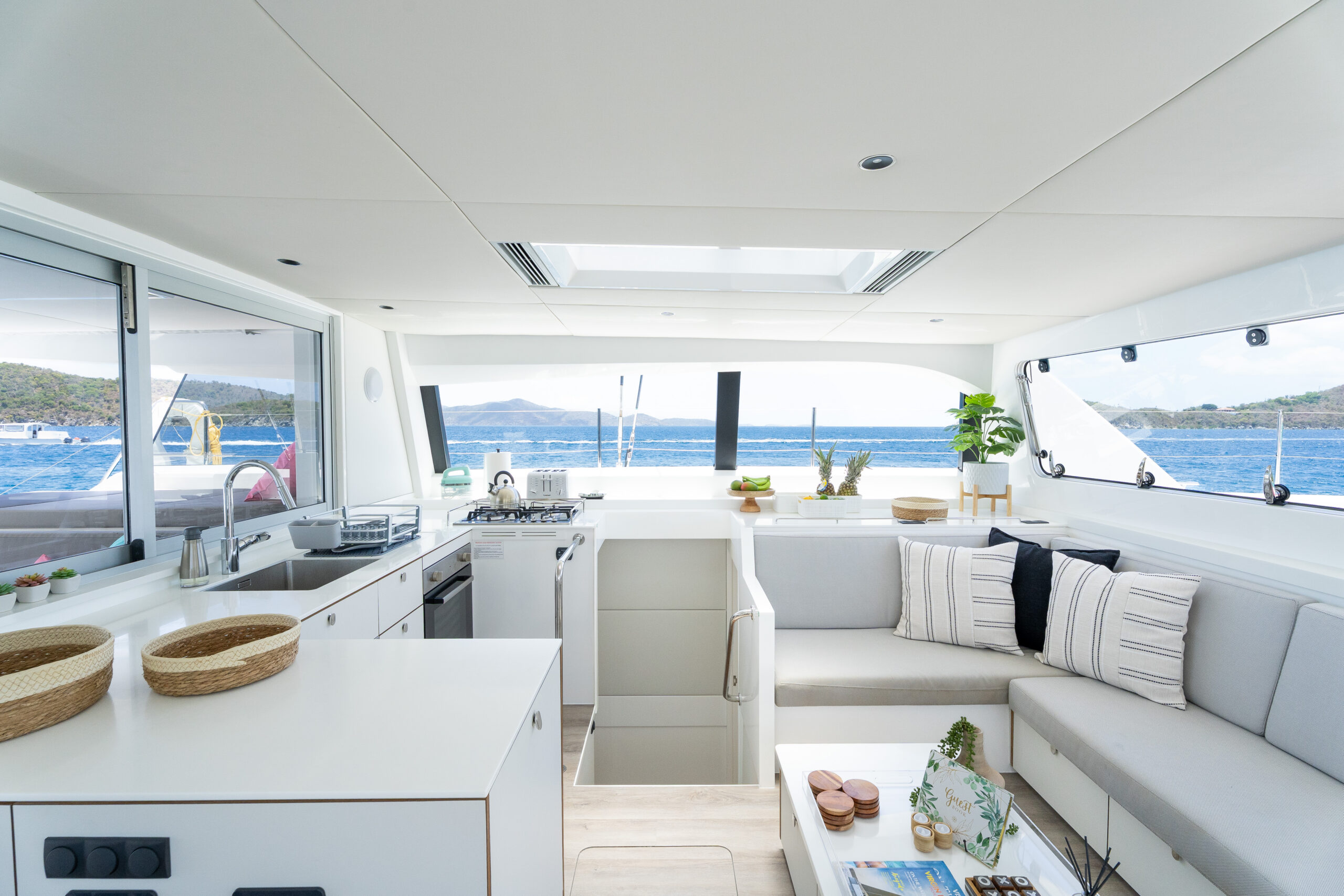
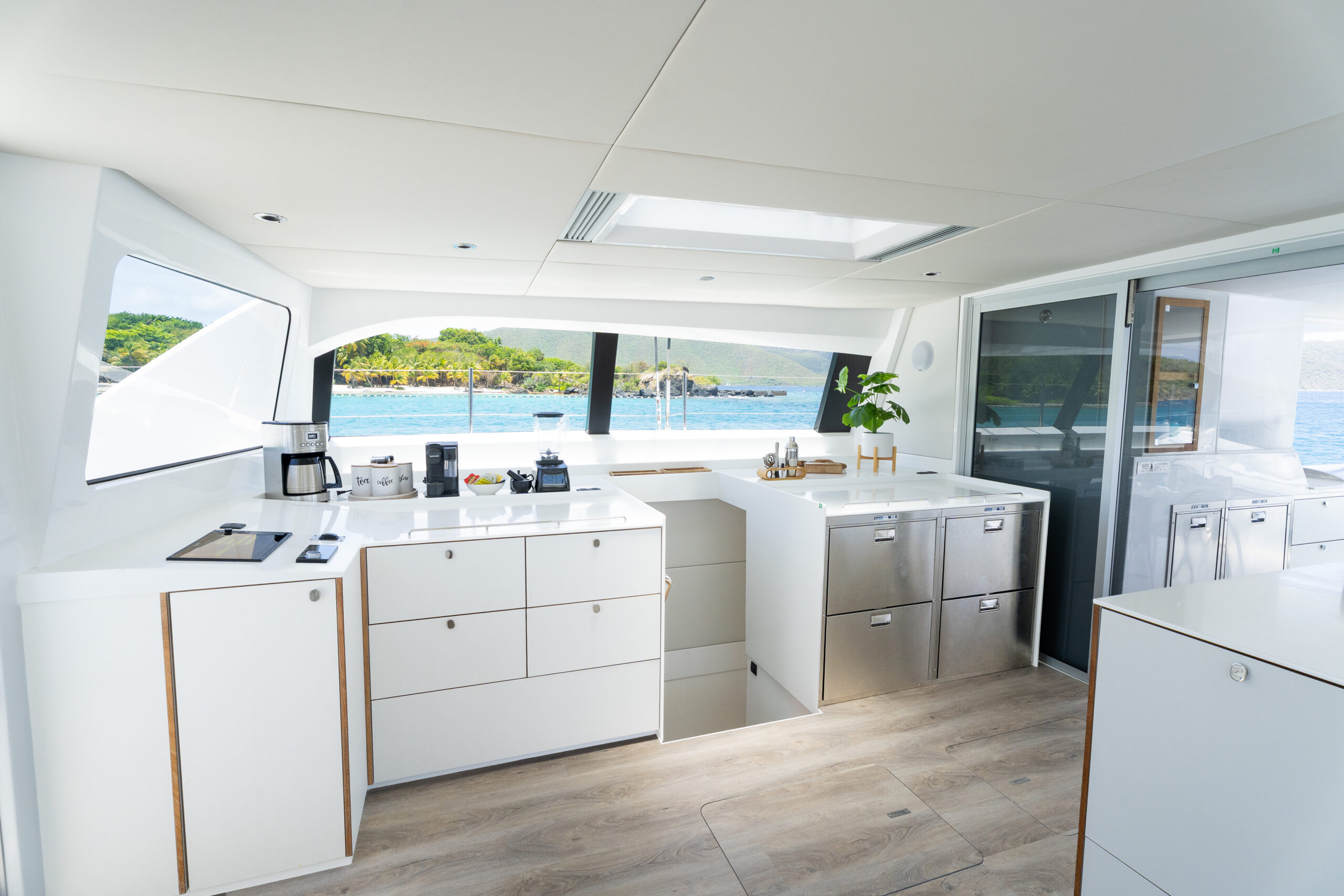
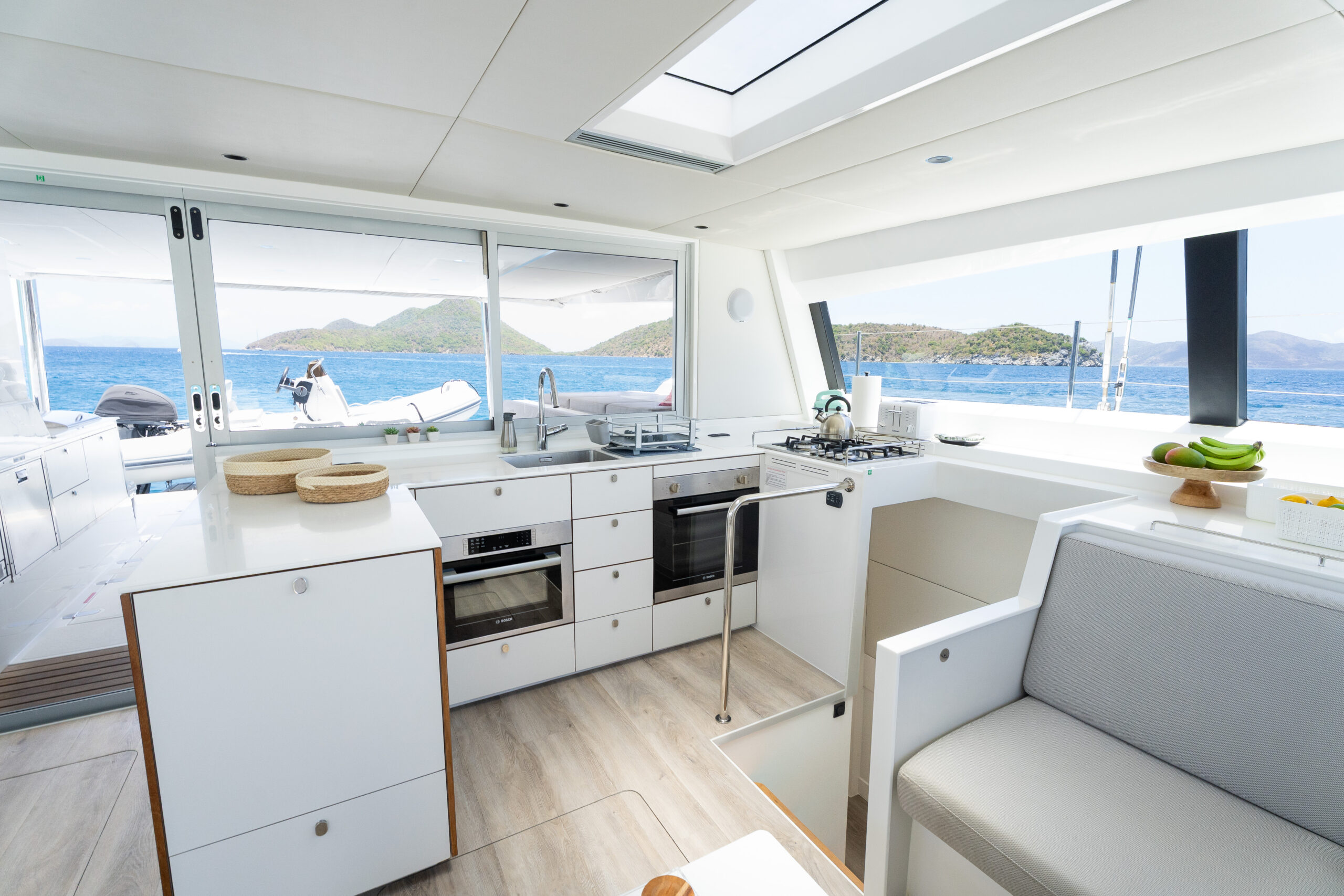
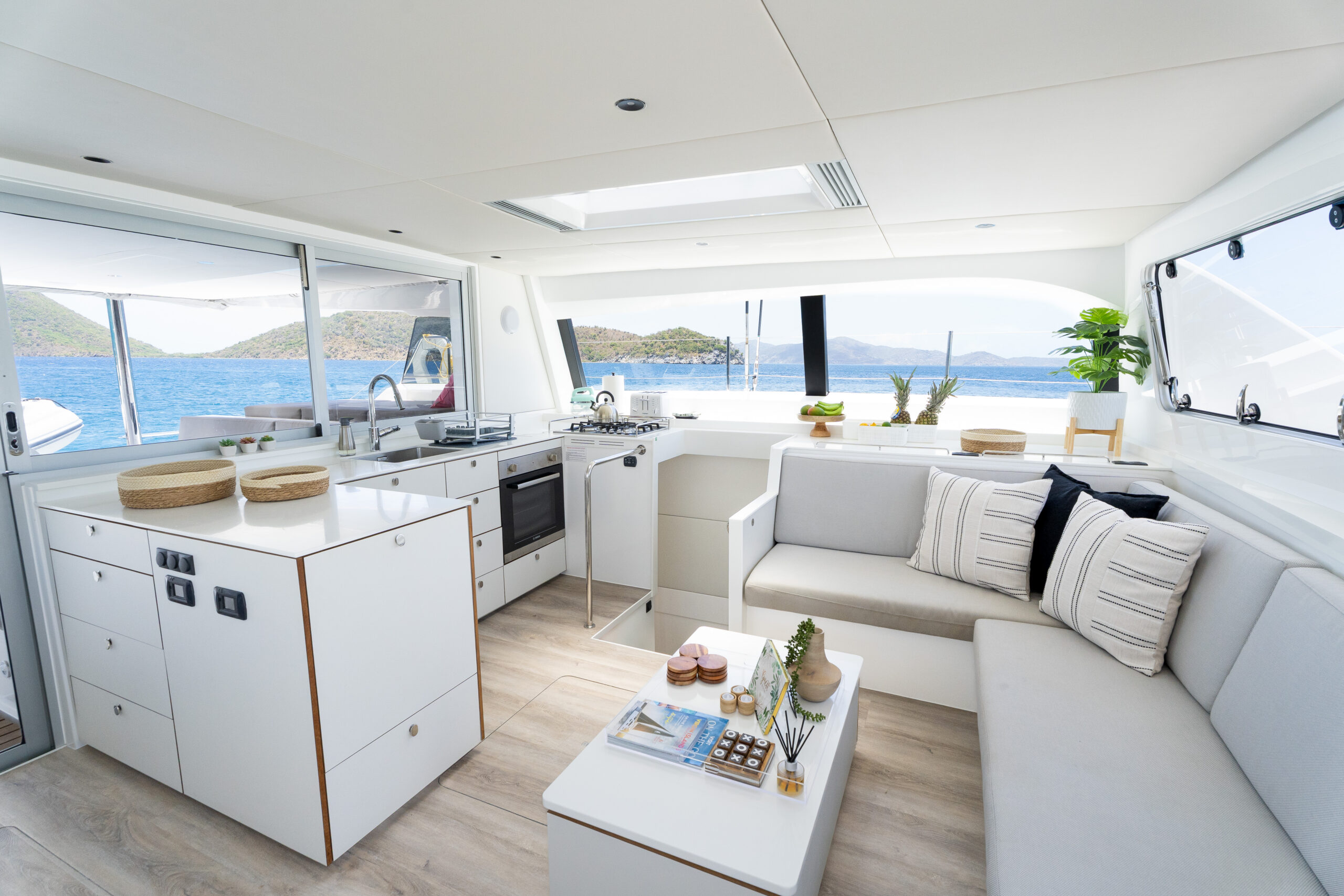
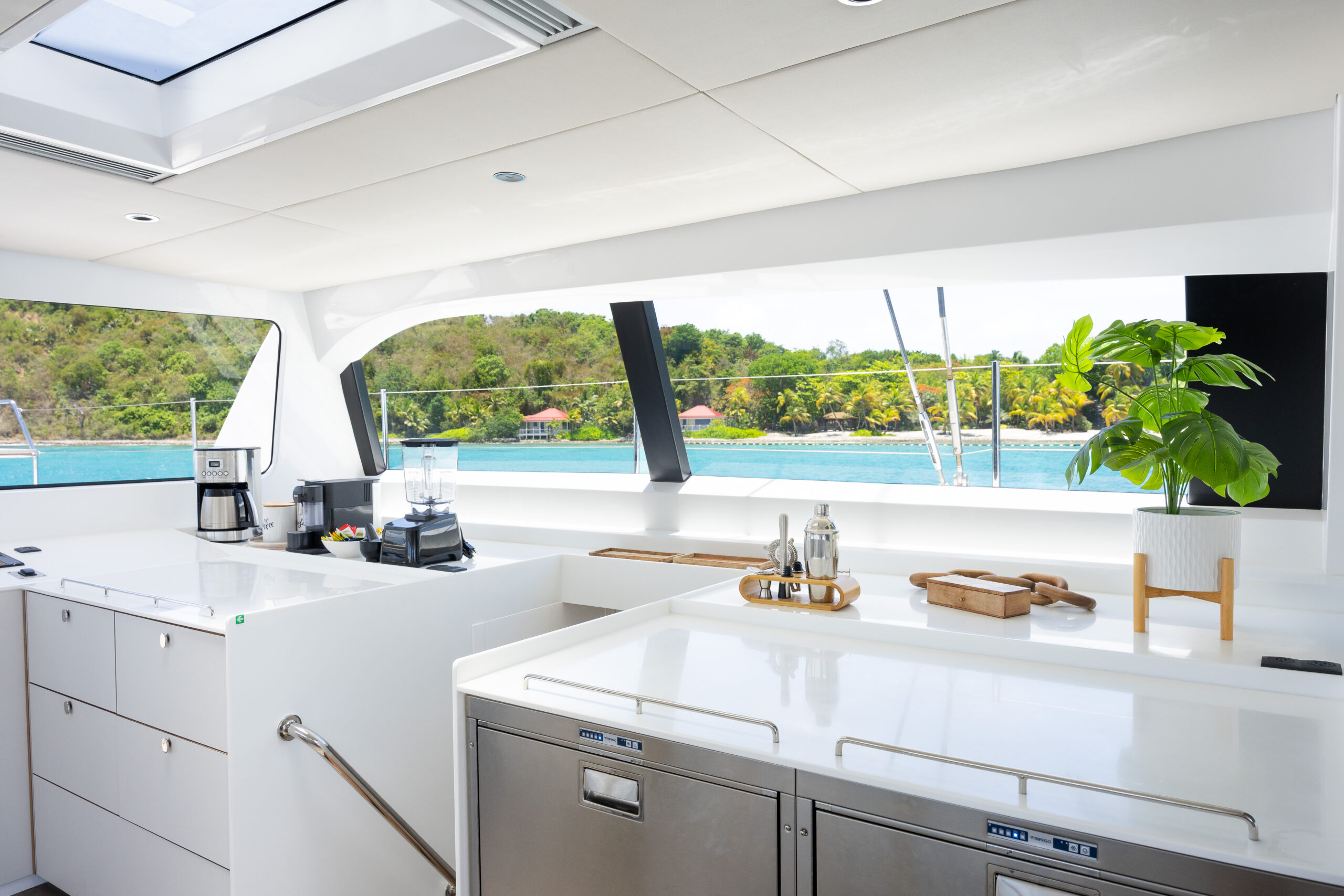
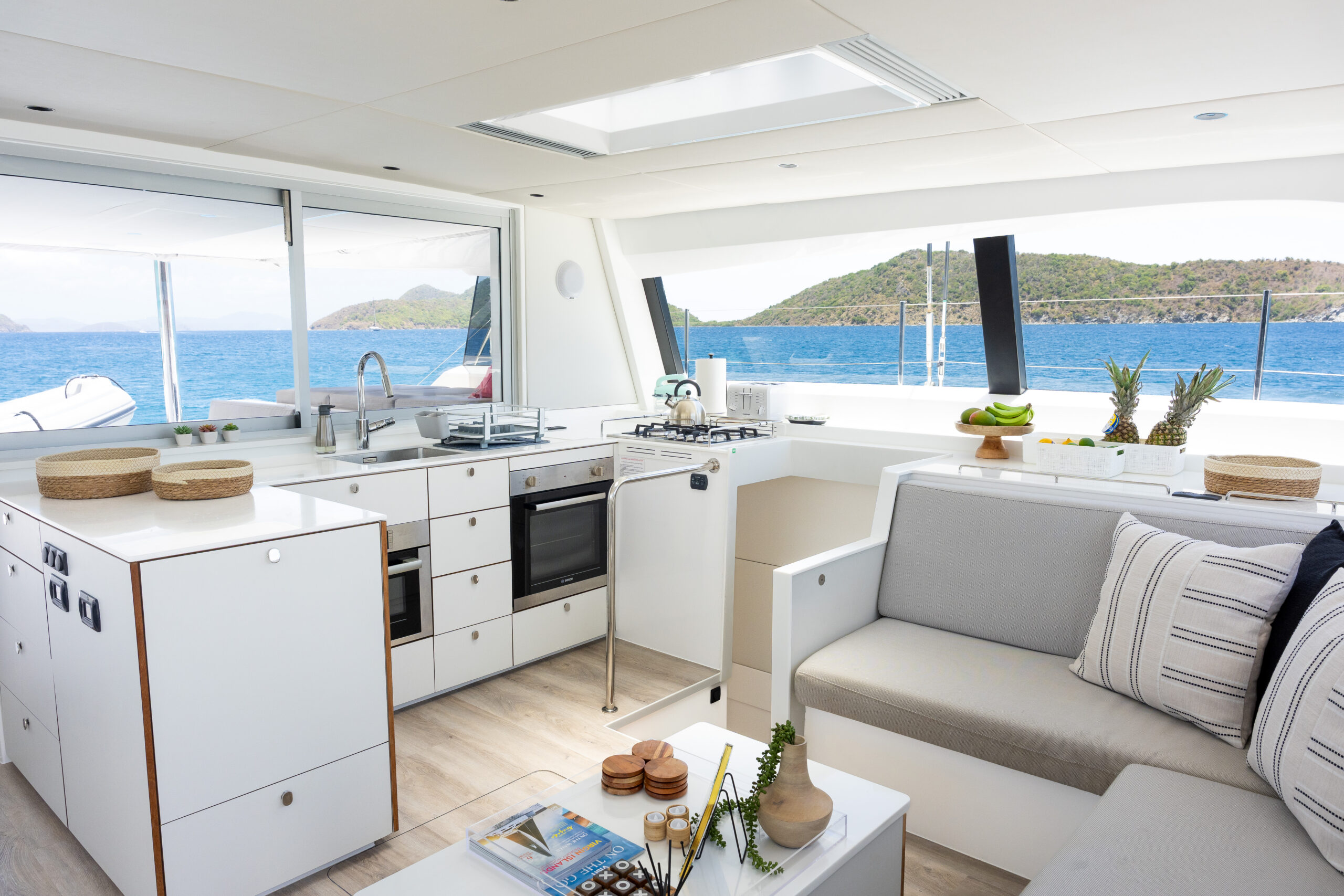
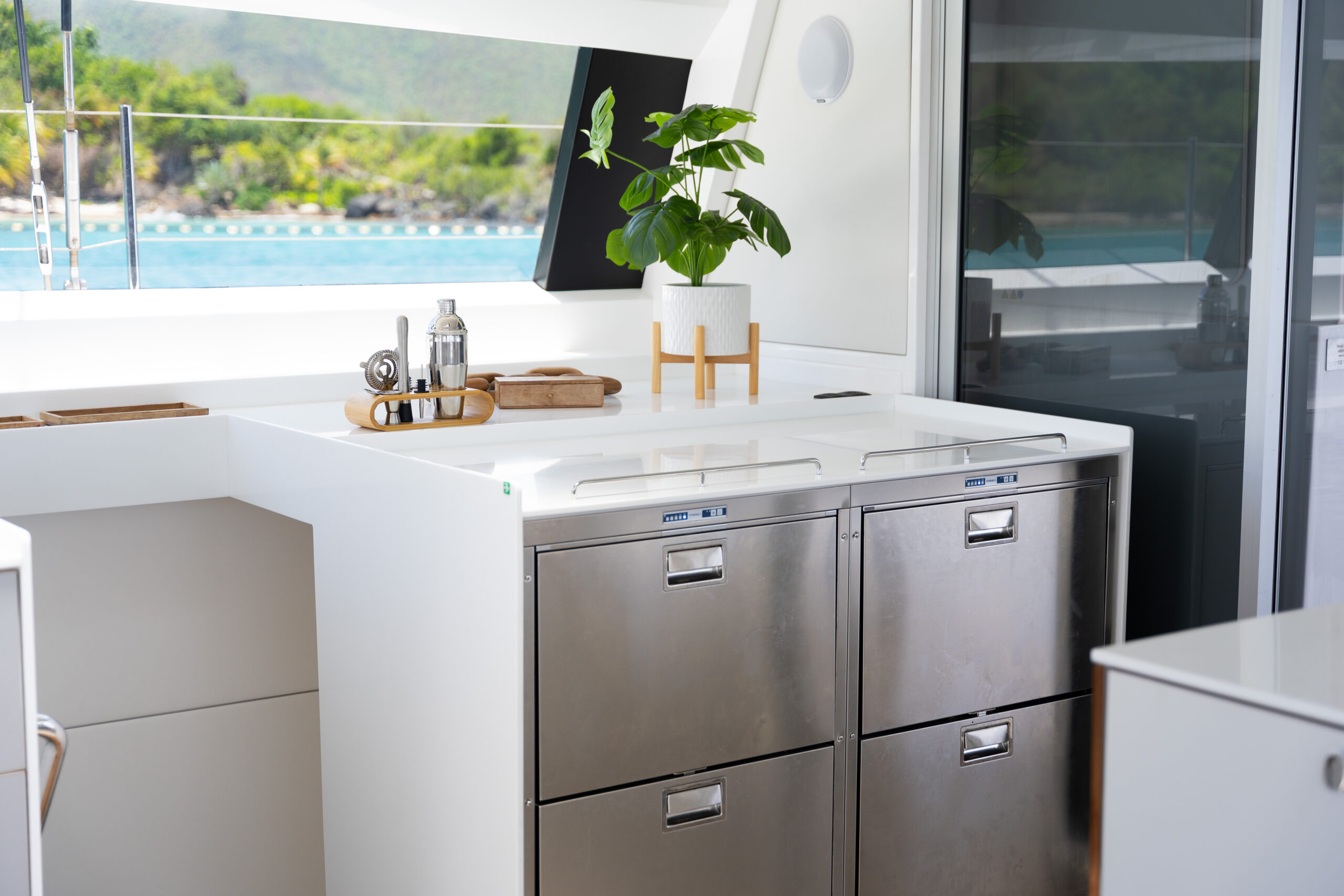
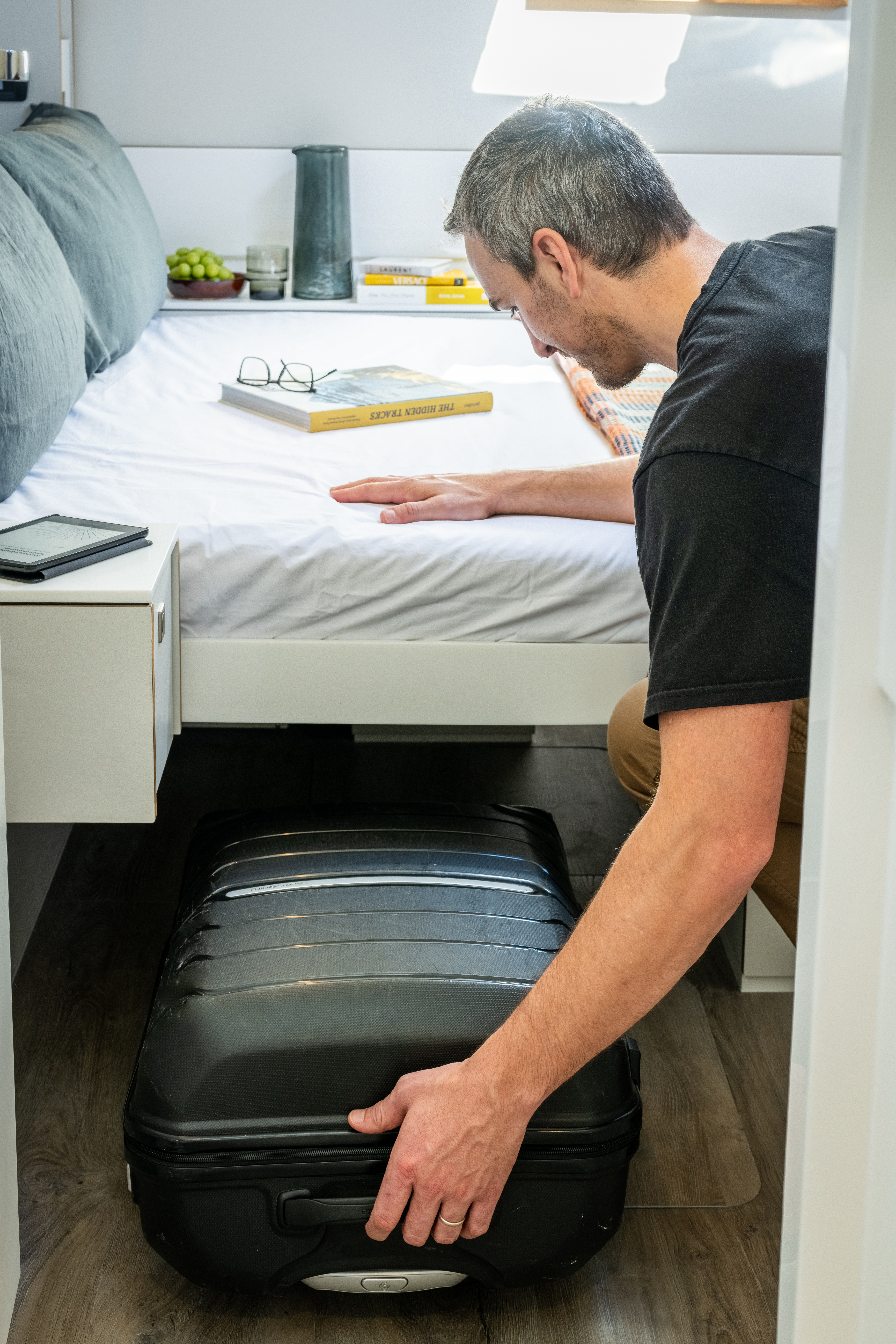
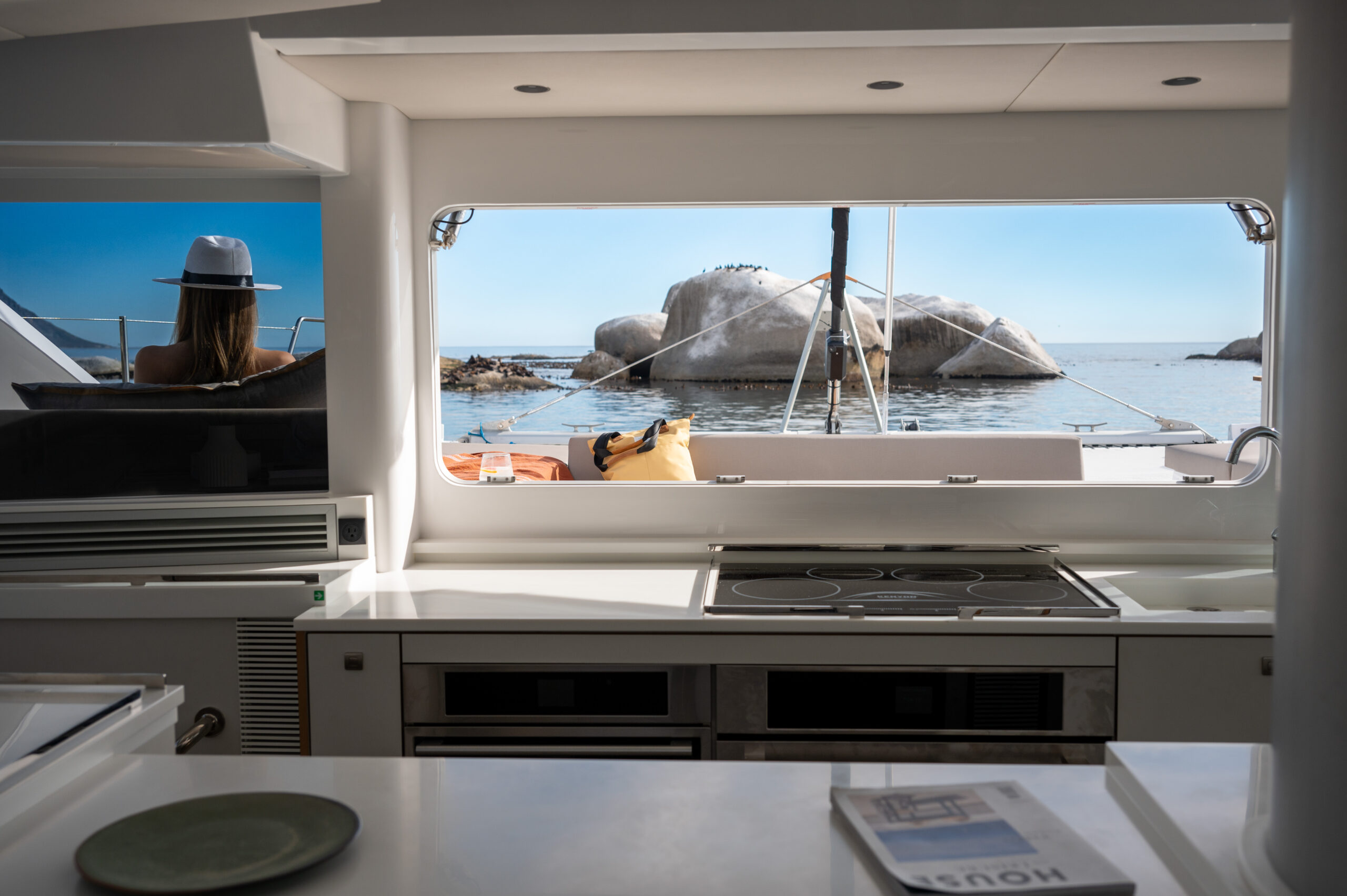
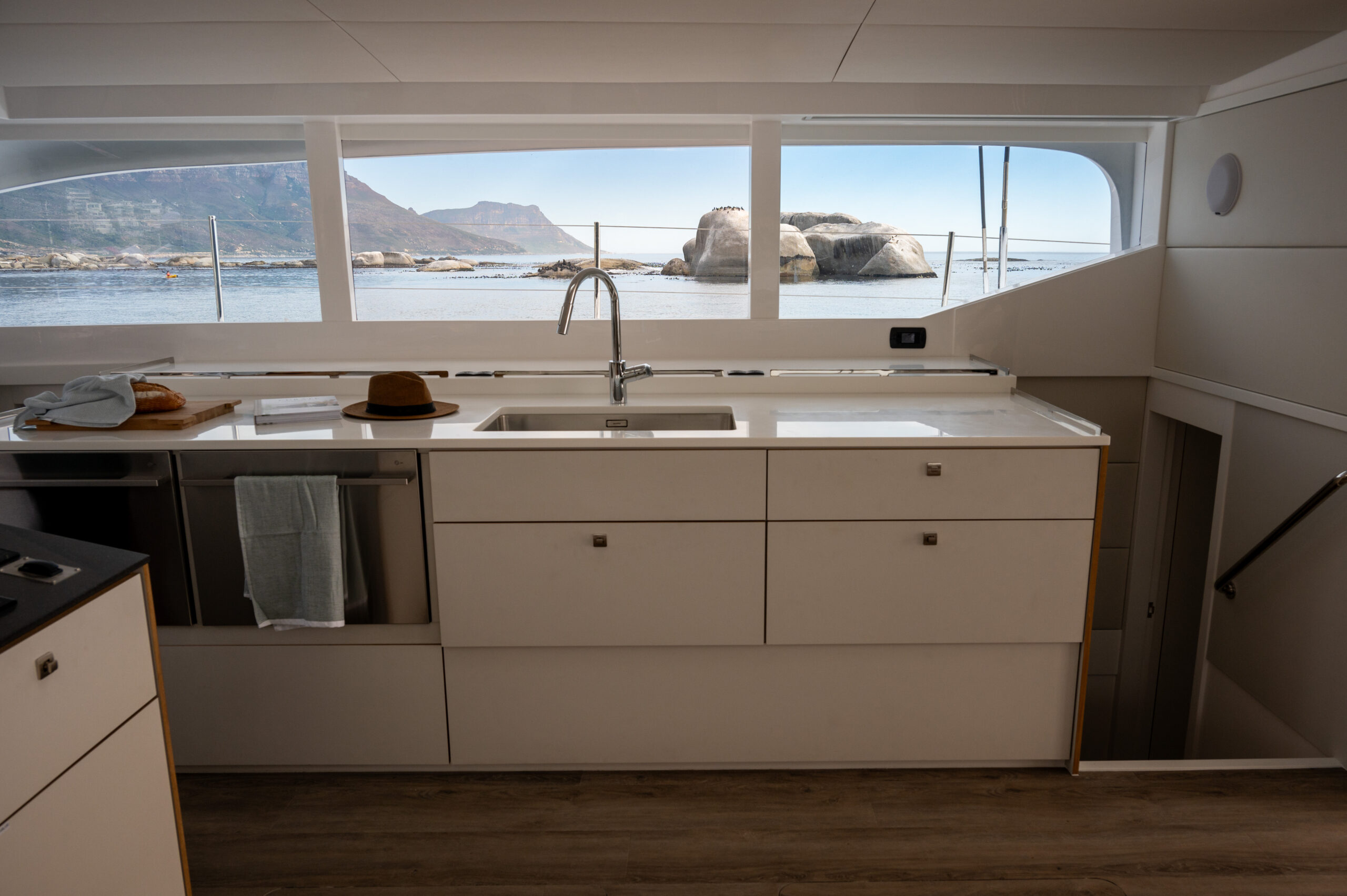
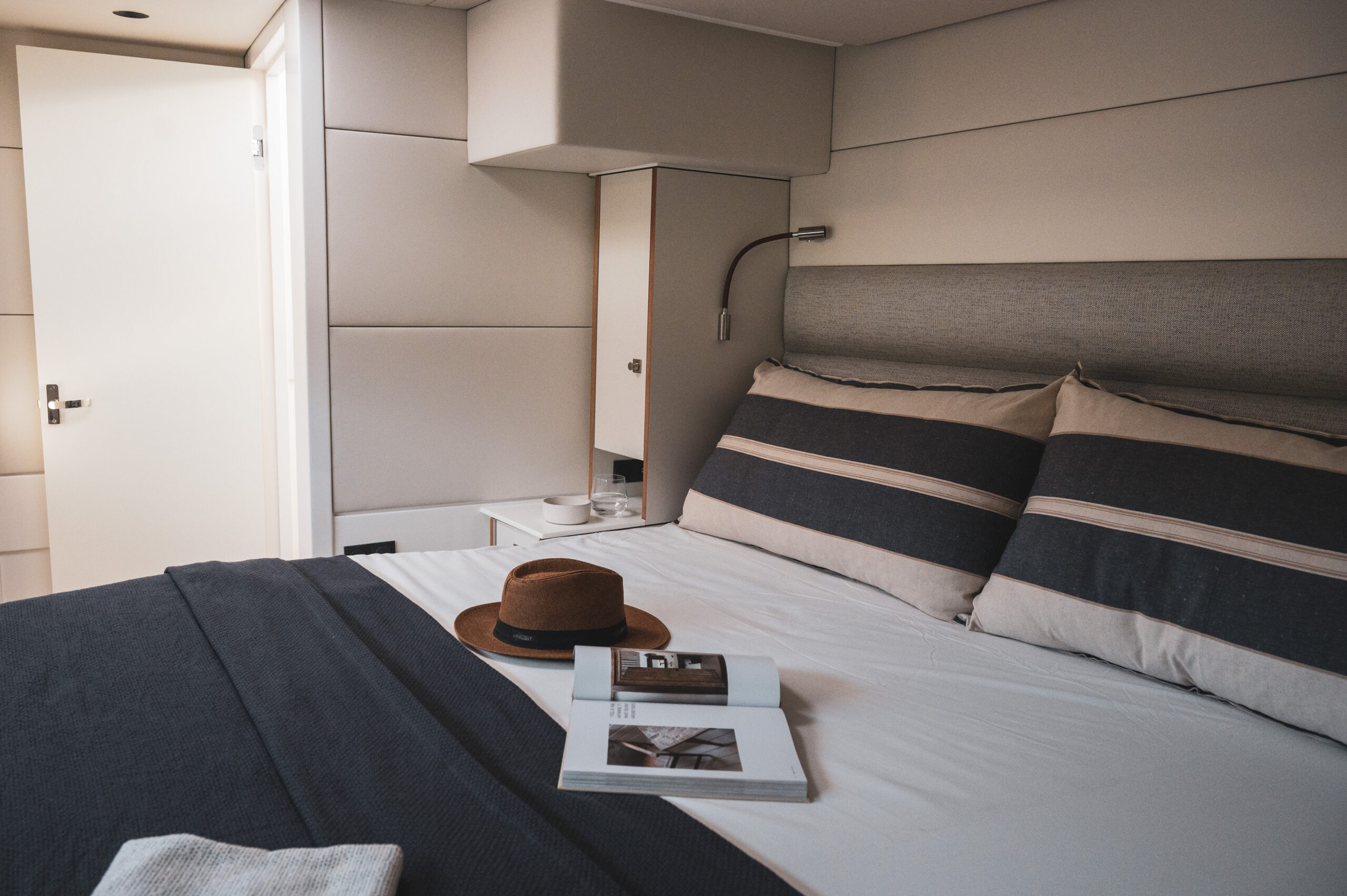
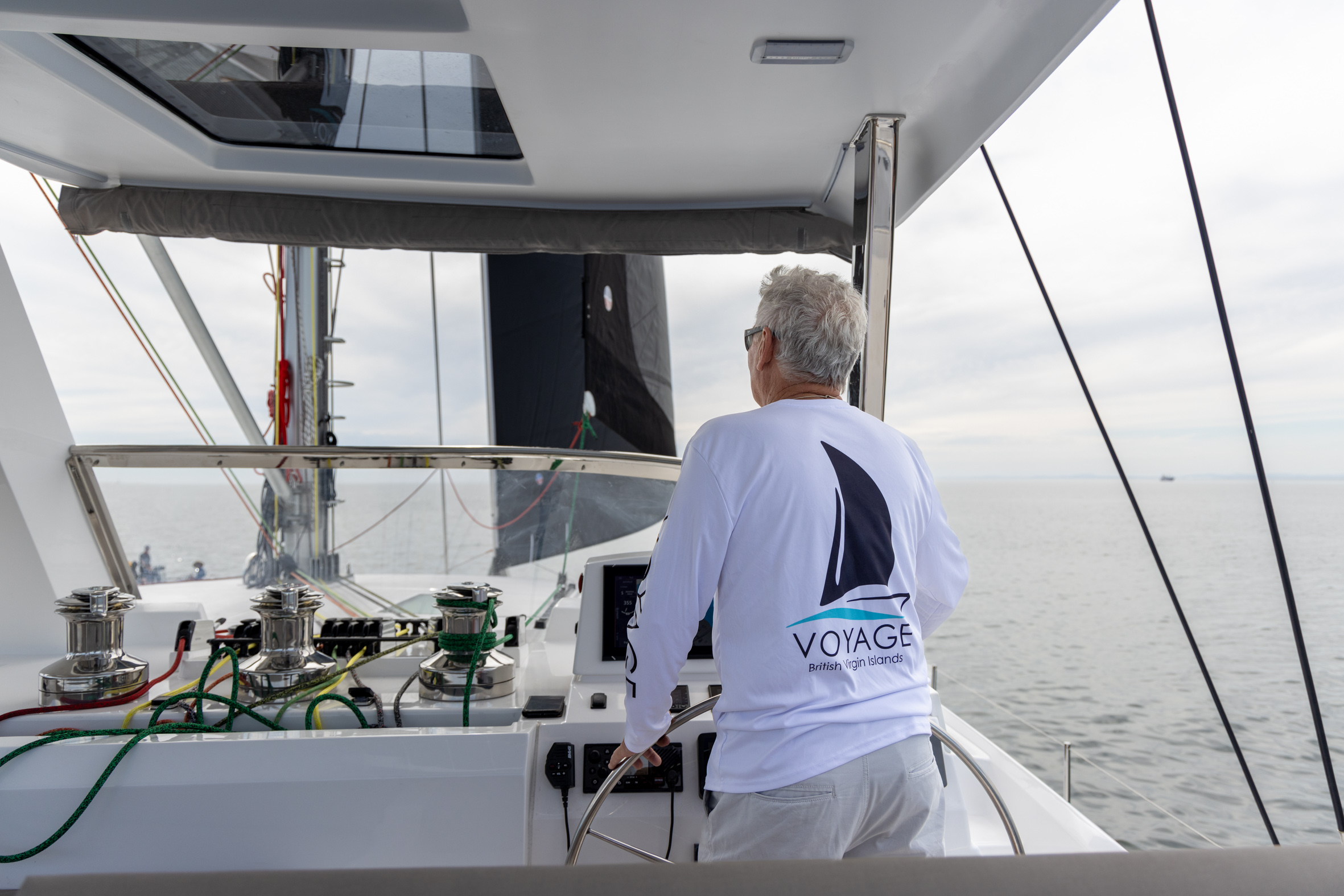
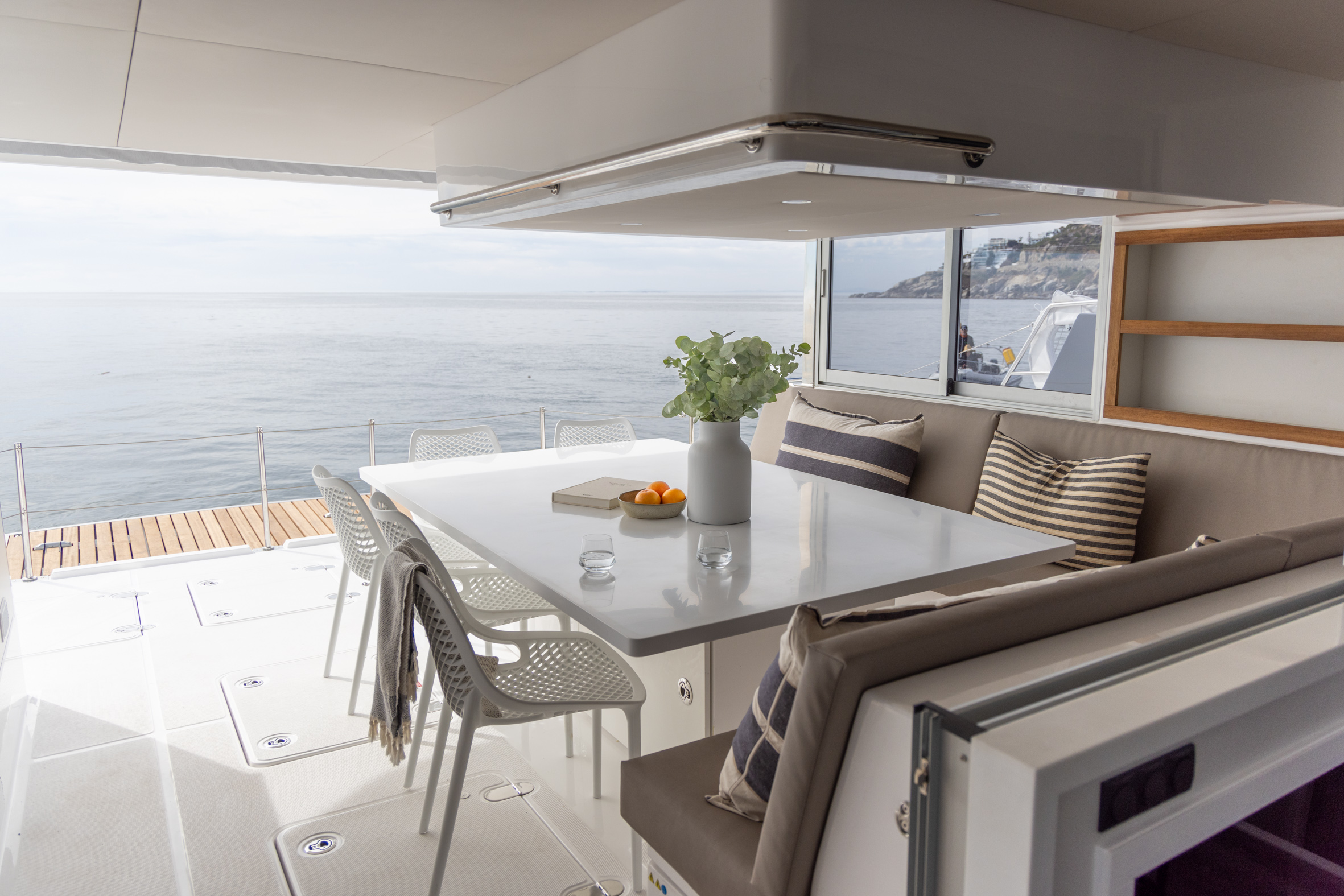
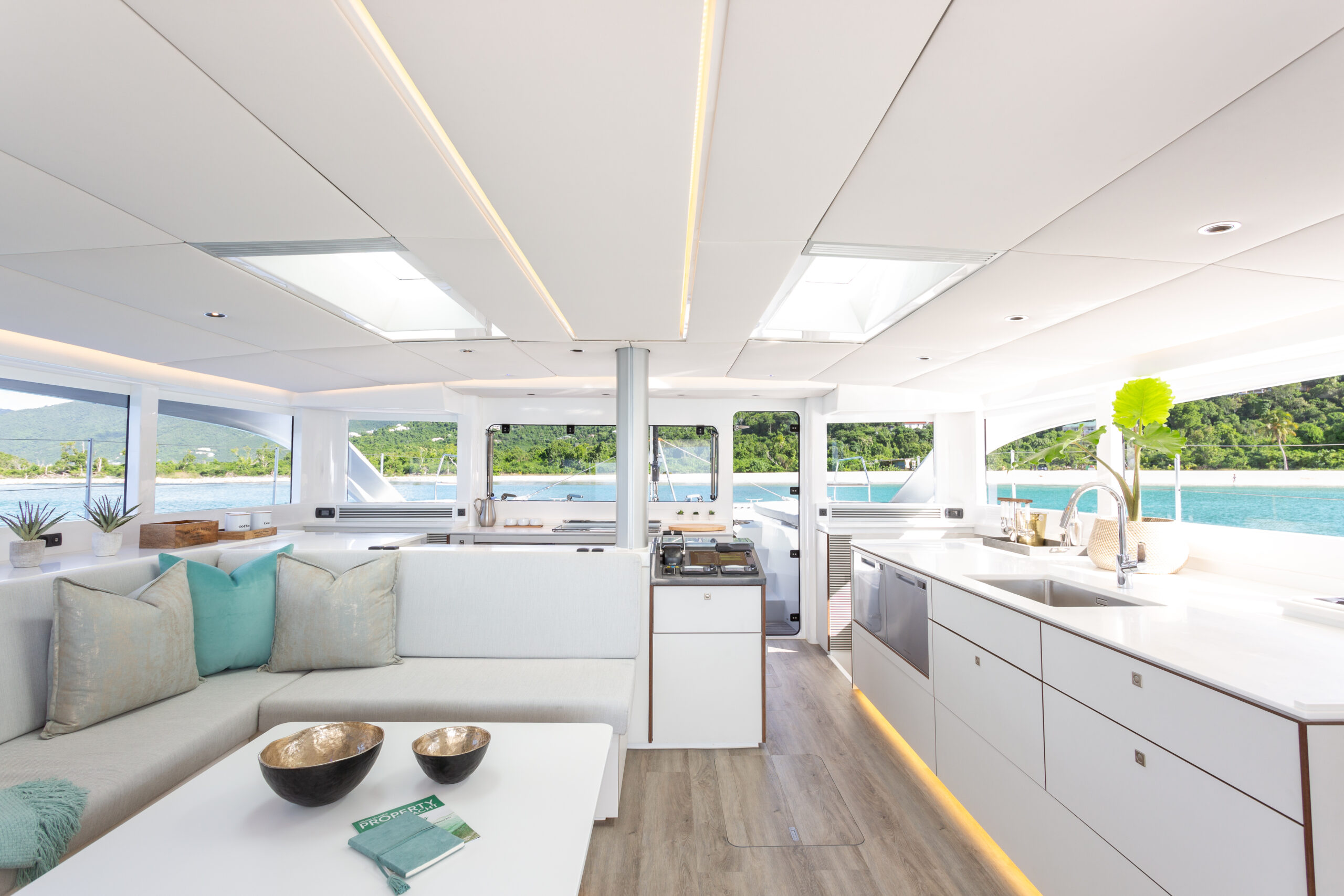
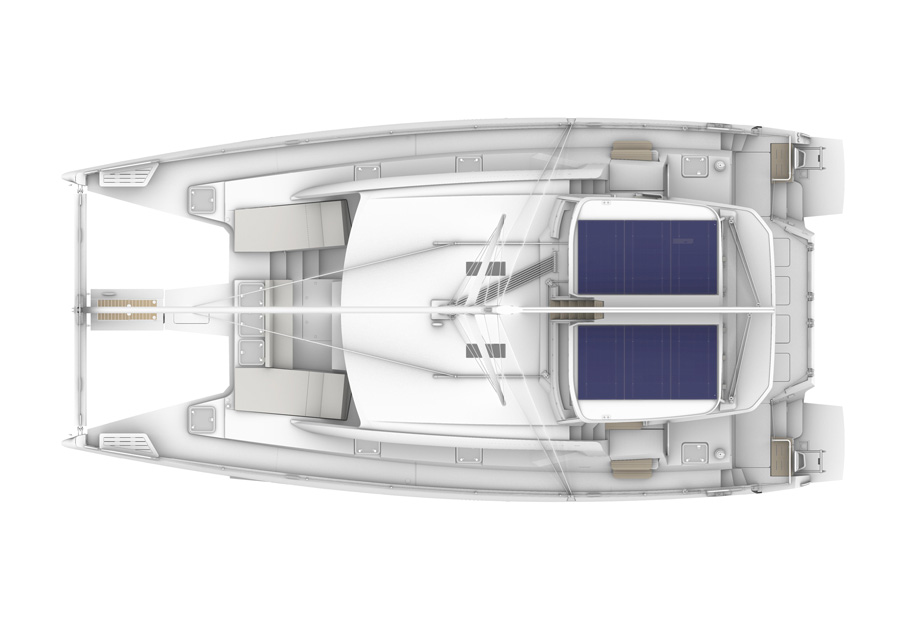
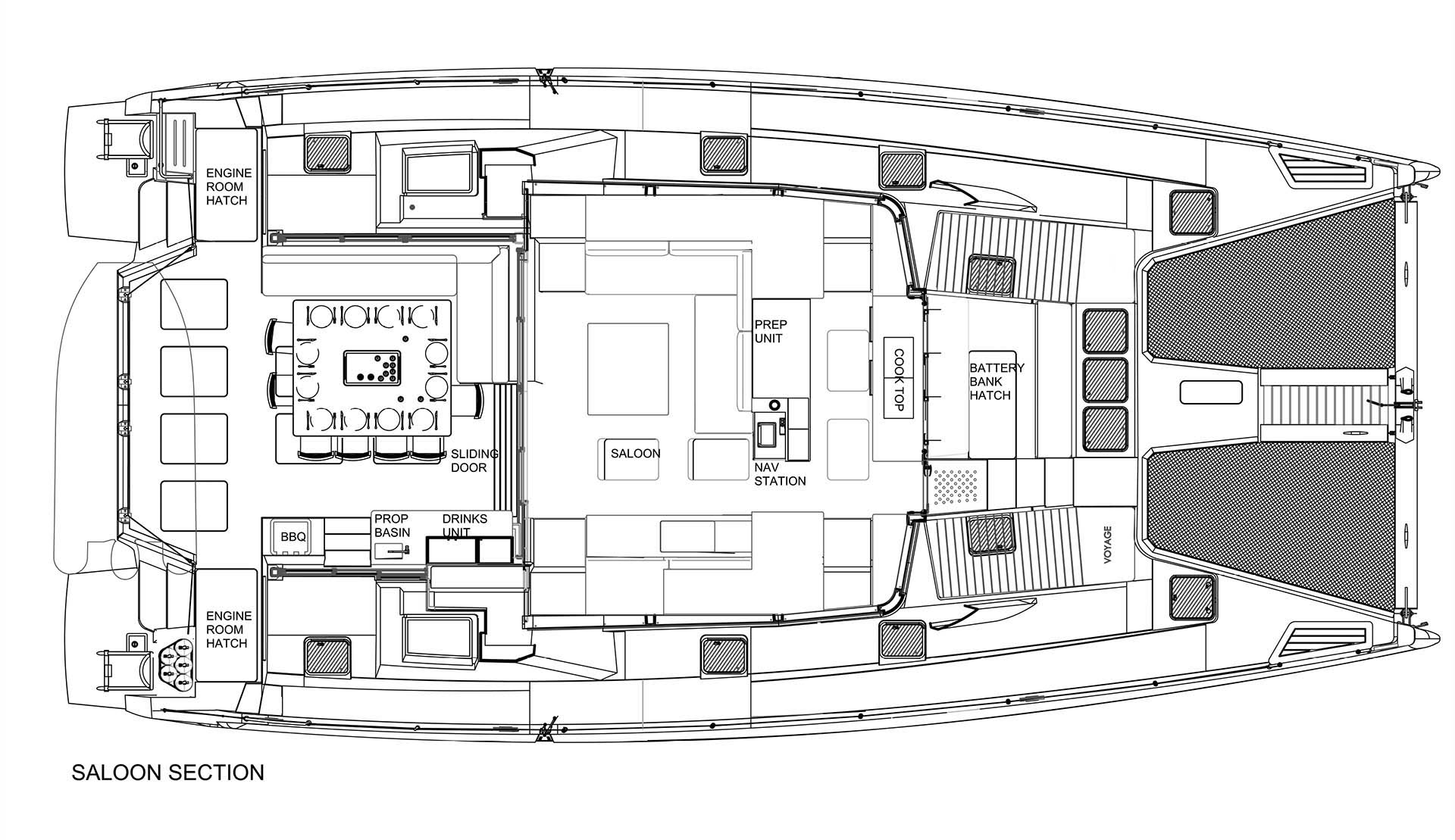
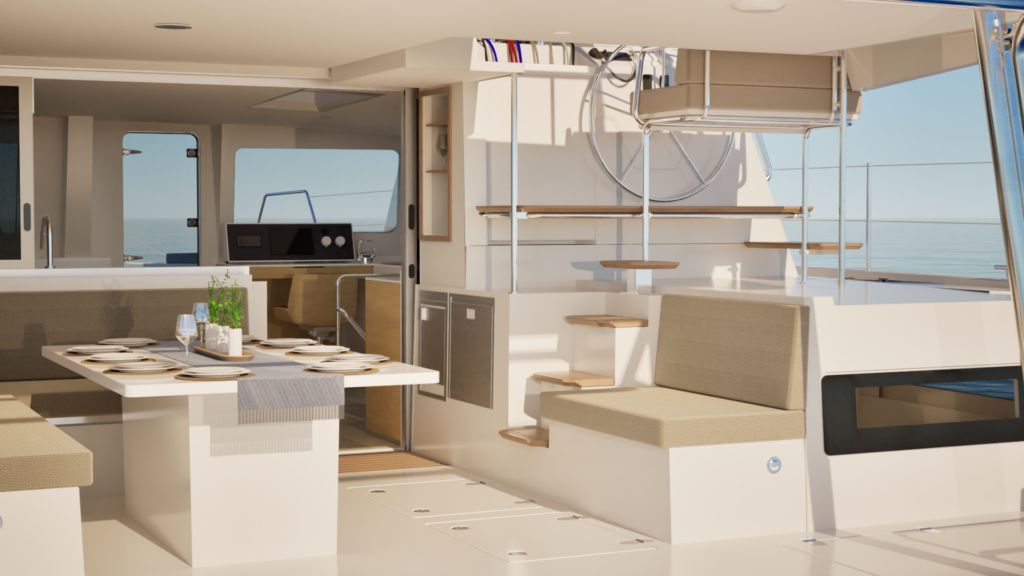
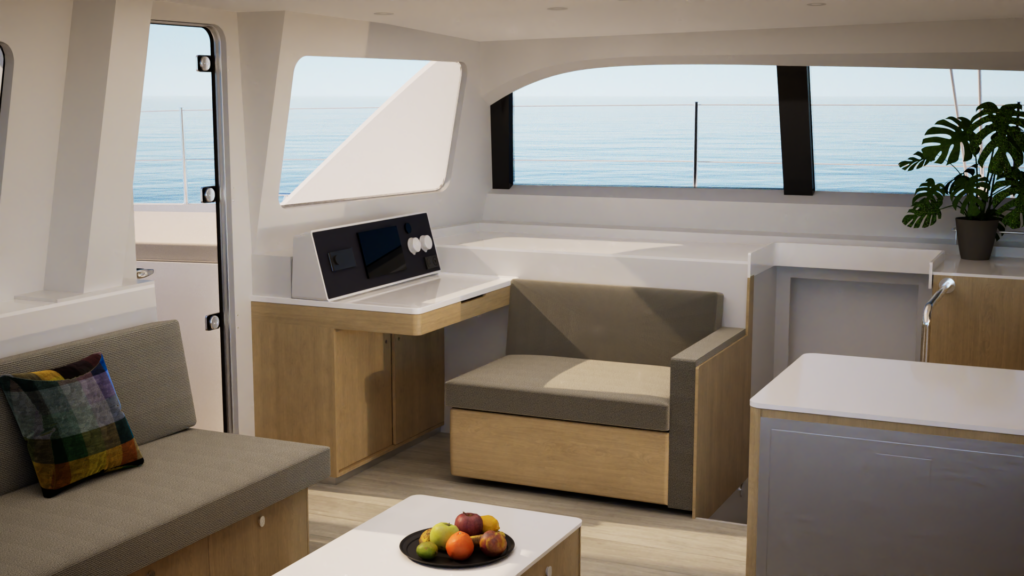
The updated standard configuration includes a smooth coach roof, inboard helm access from the aft cockpit, a forward single-opening flush-mount hatch, softer rounded furniture with solid hardwood corners, hardwood door frames in place of GRP frames, a seated navigation station with a dedicated nav table, and an L-shaped galley configuration.
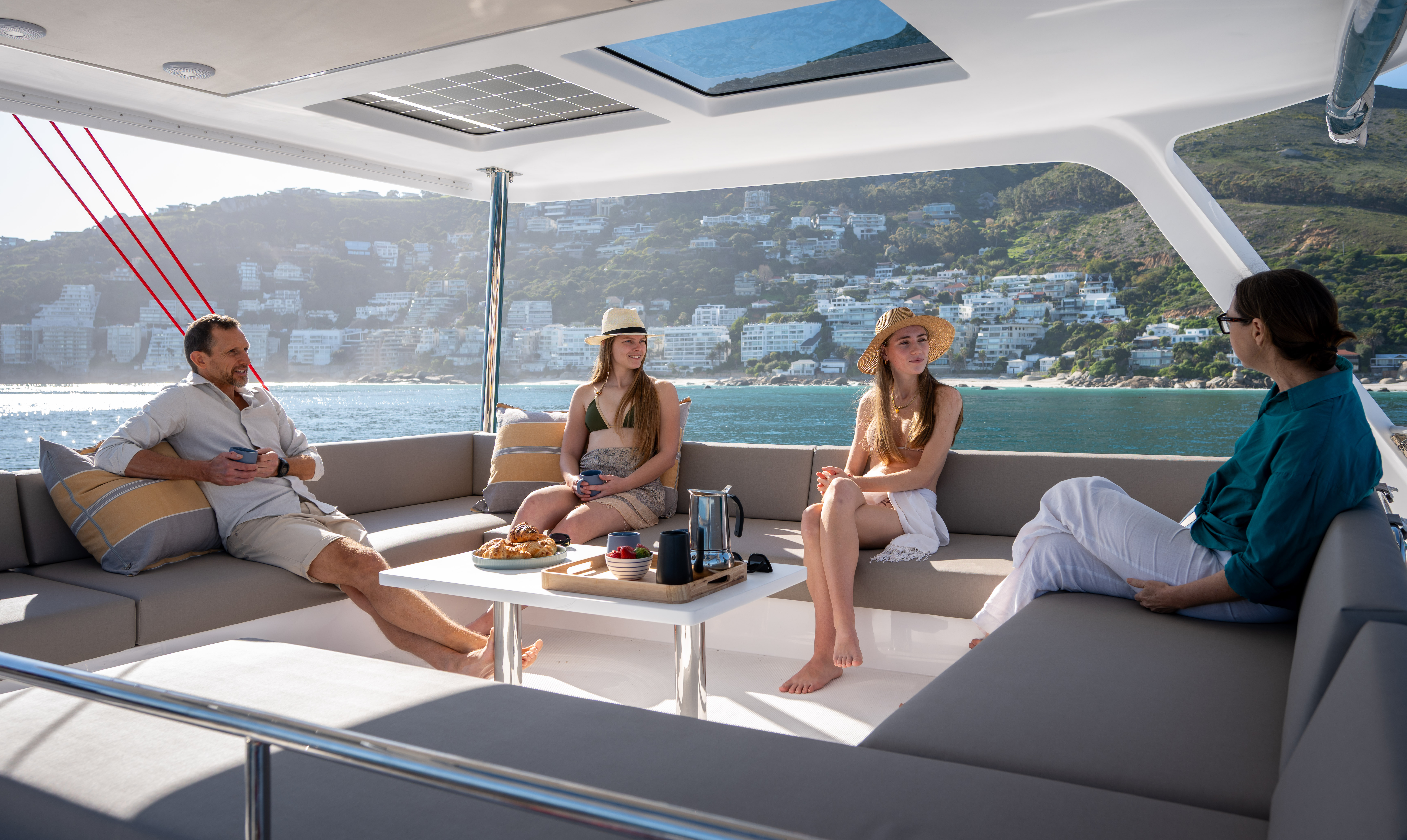
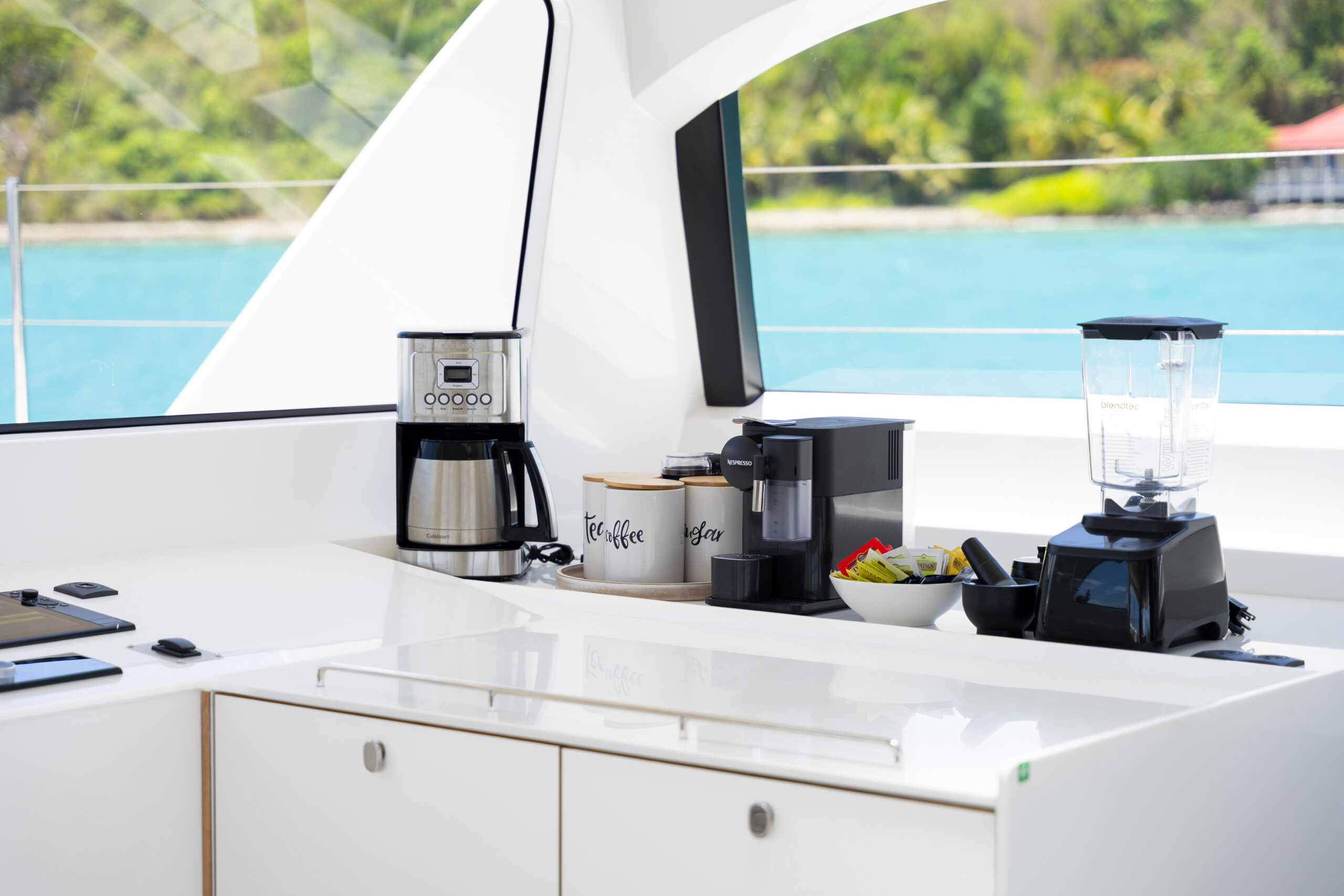
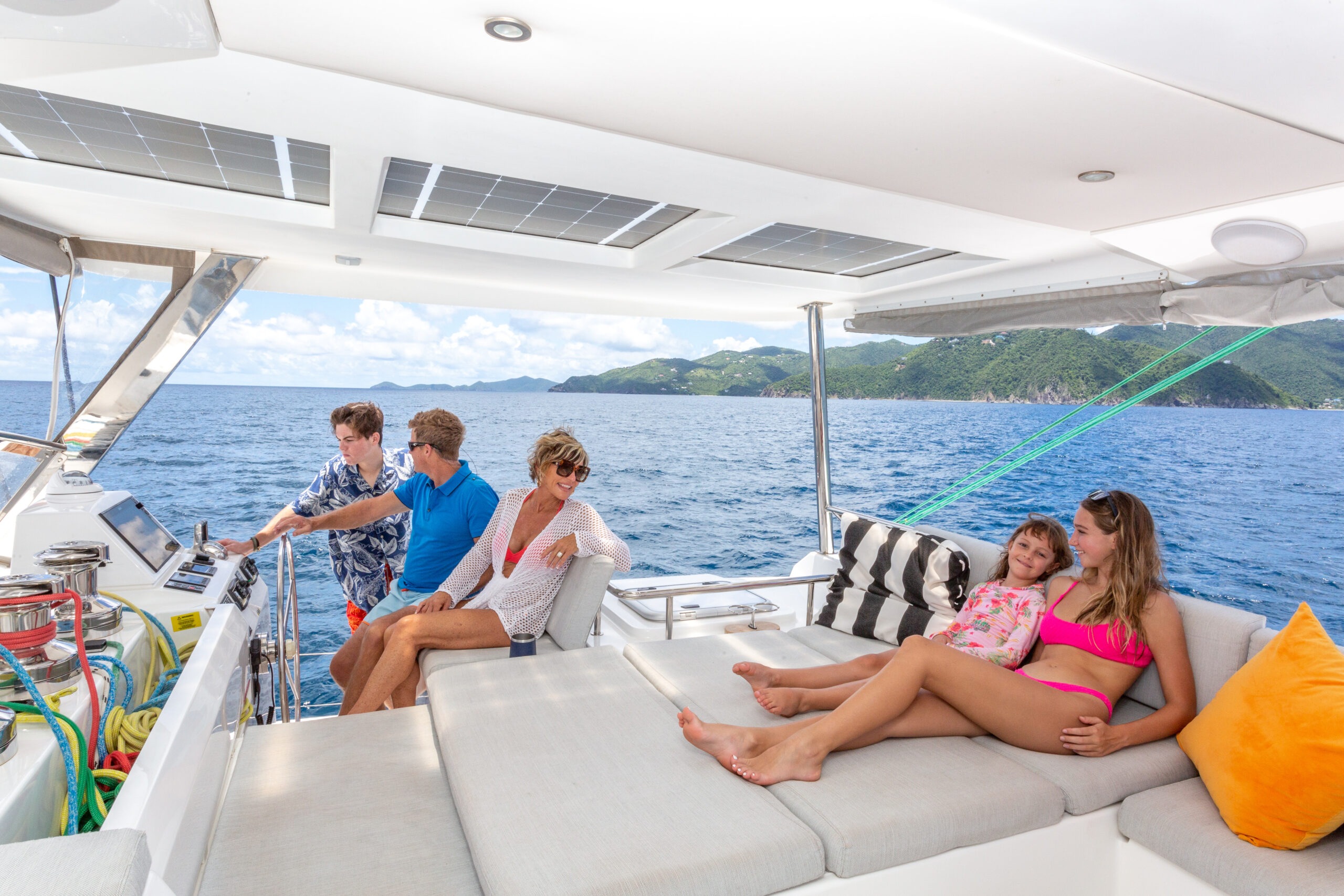
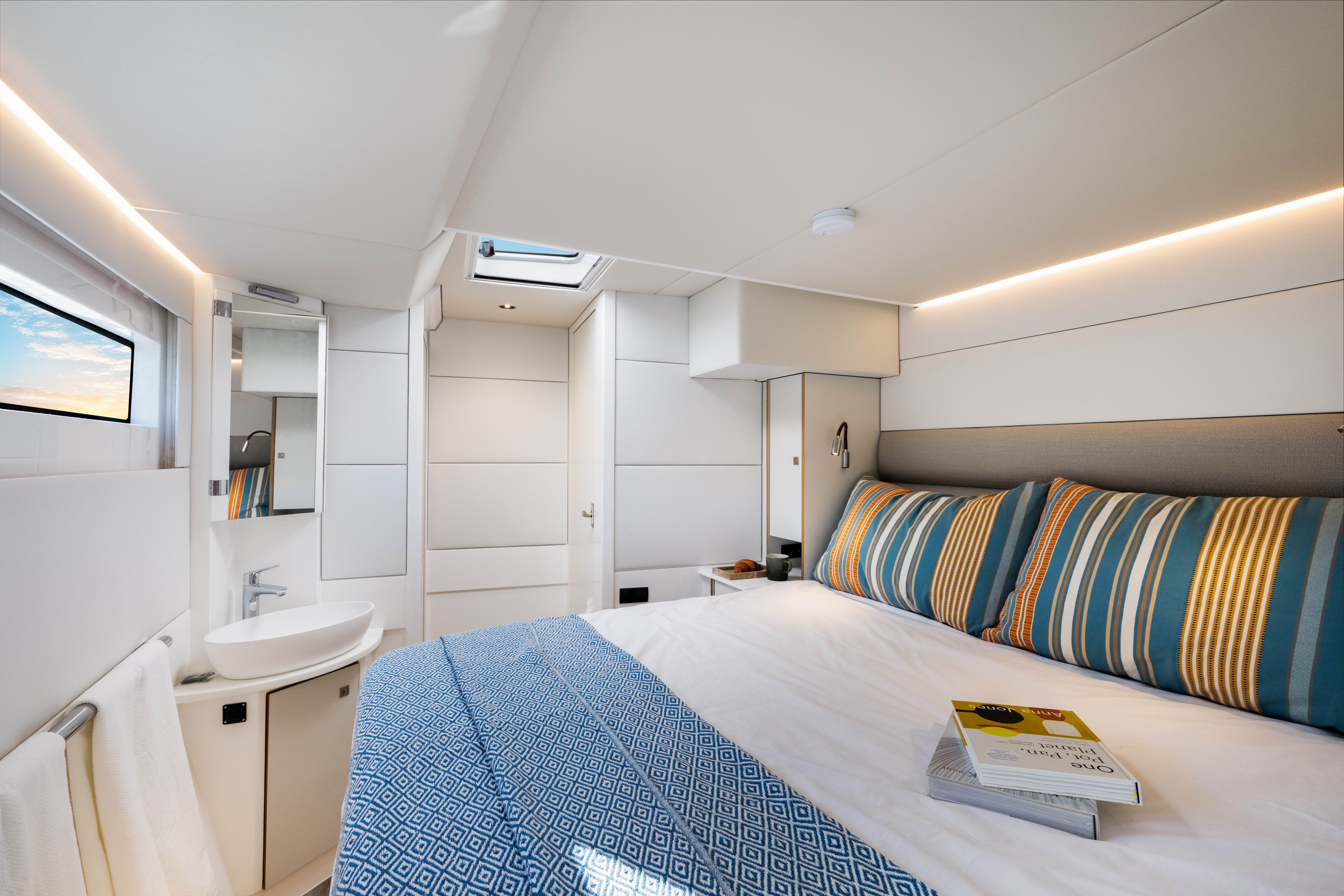
These details create that personalised enjoyment of moving through the cockpit with a coffee, sitting at the navigation station with both bows in view, cooking while underway, finding shade, reaching the helm, hosting friends, or settling into a cabin for some rest.
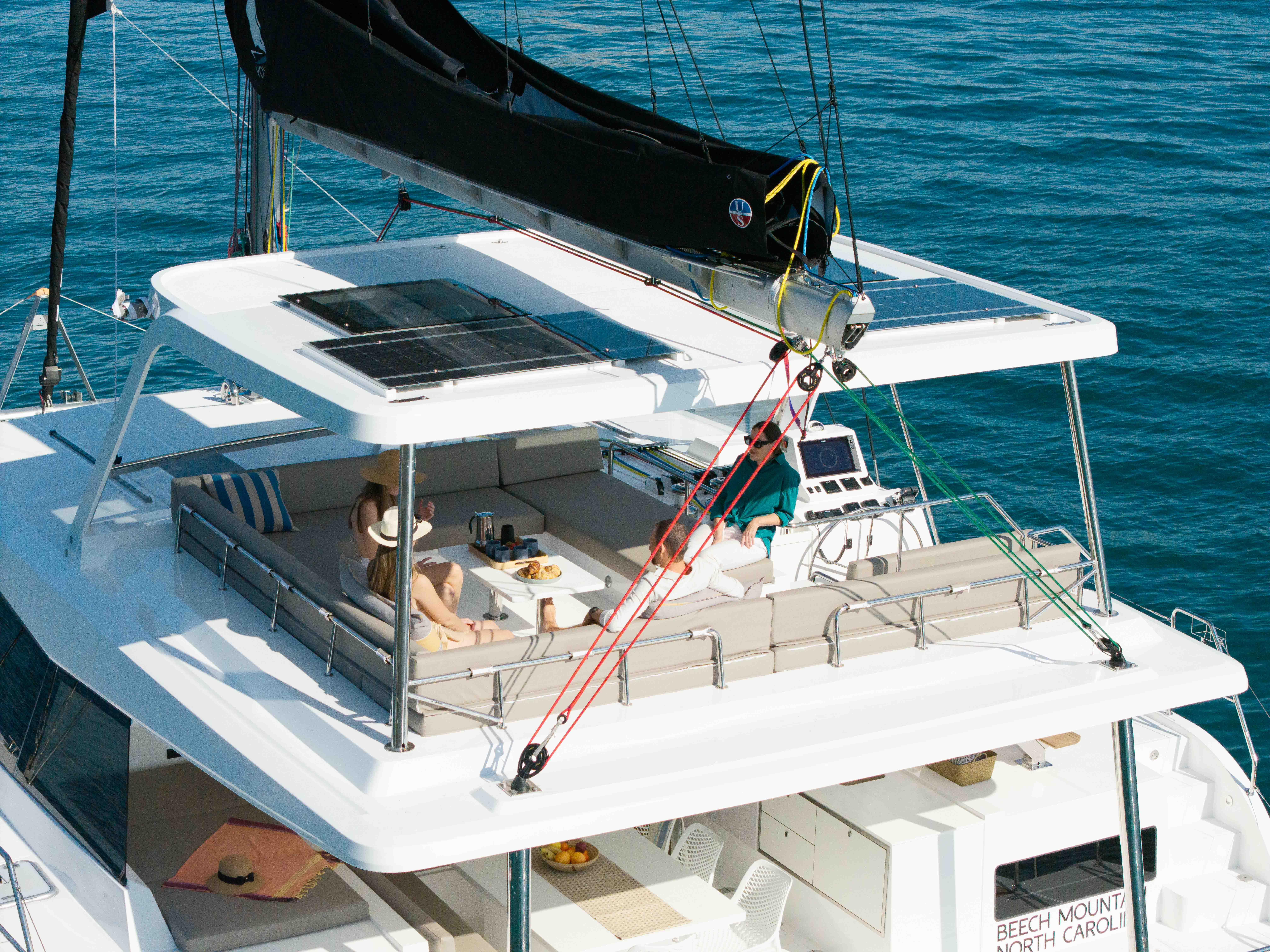
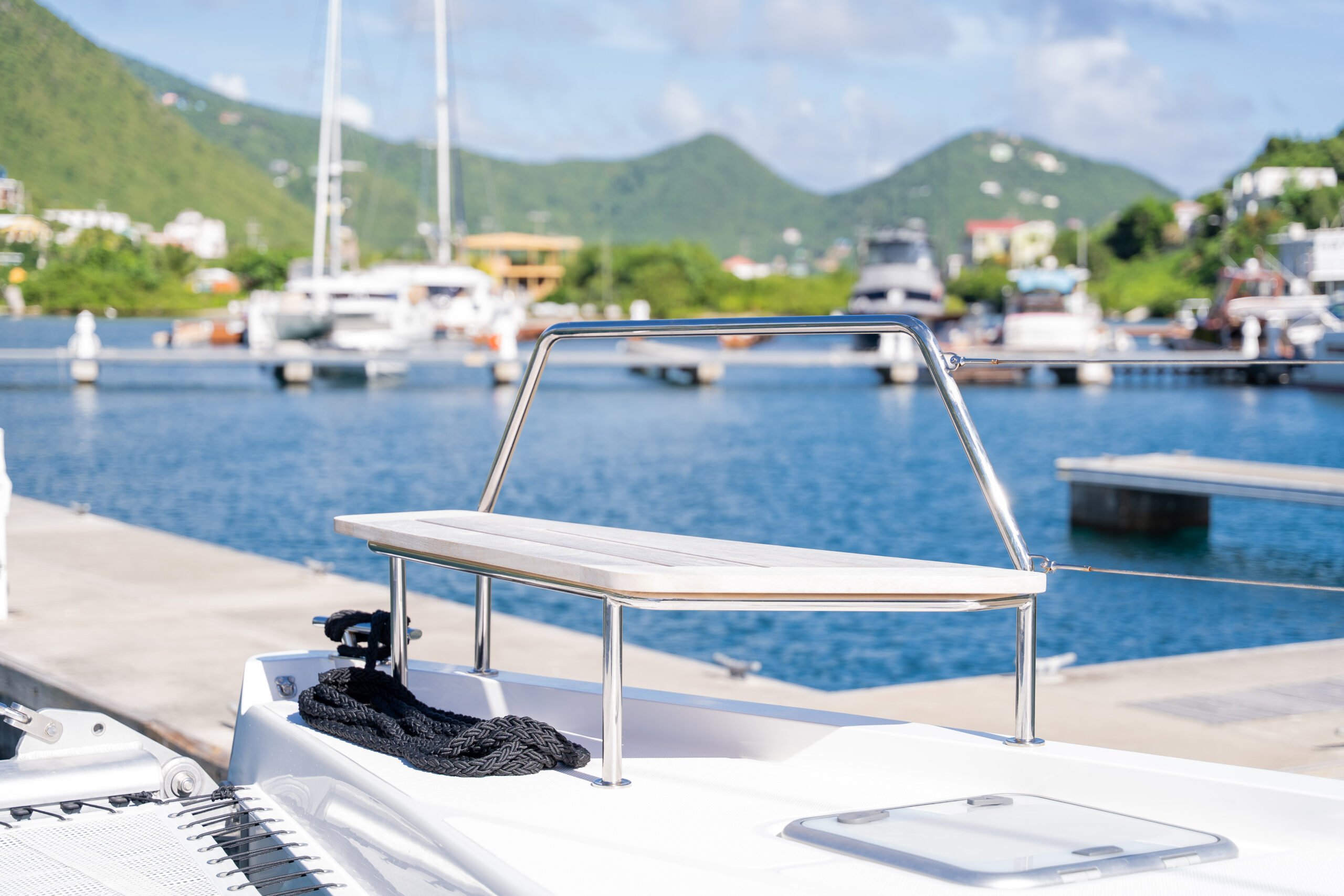
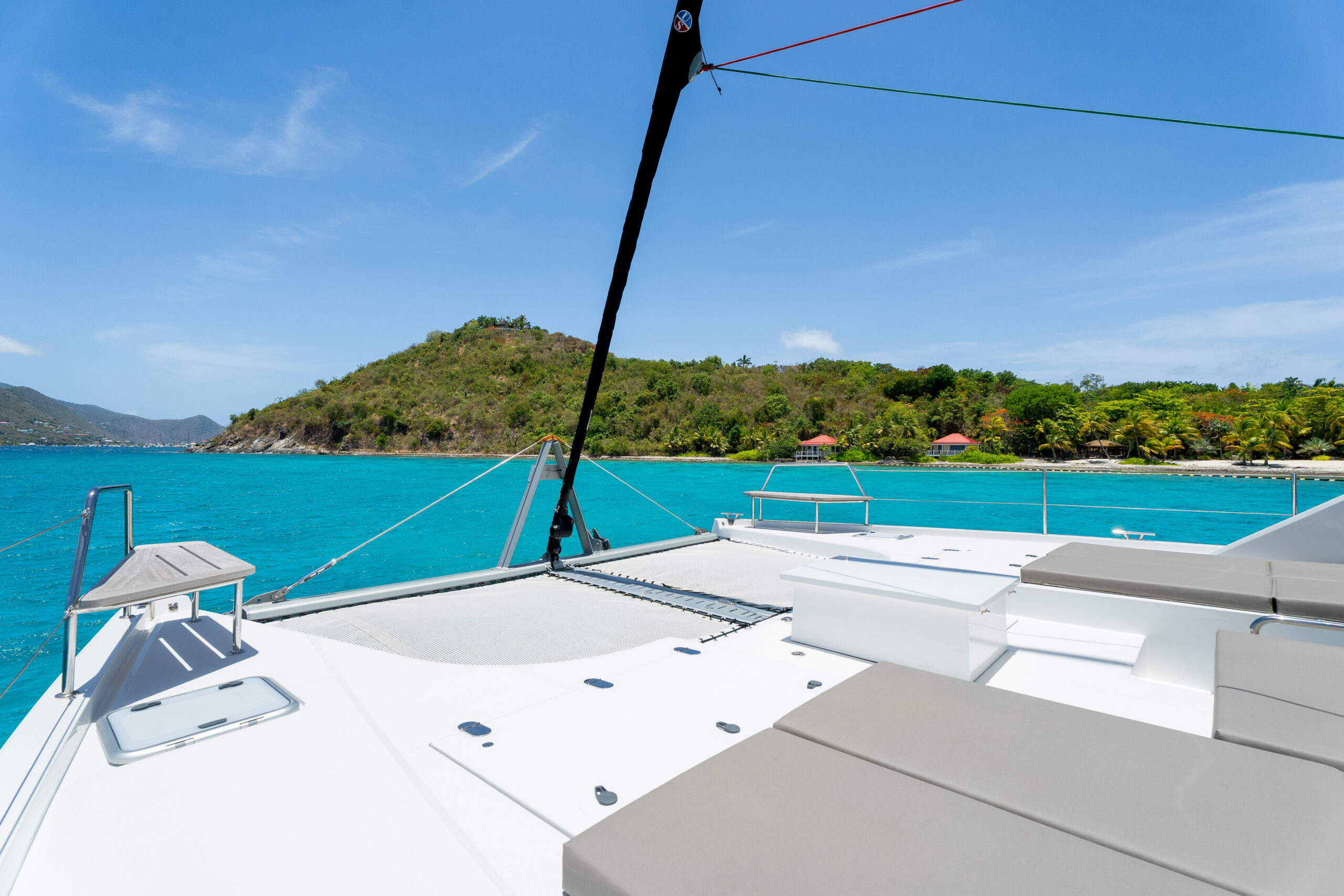
Optional owner-led choices further support that same thinking. Depending on how an owner intends to cruise, host and operate the vessel, options may include flybridge seating with a hardtop bimini, an elevated helm with consolidated bimini, solar panel installations, generators, inverters or hybrid systems, air-conditioning, veneer upgrades, davit and fixed platform arrangements or a motorised dinghy lift platform, and foredeck table options.

One of the unexpected benefits of our transition to an infusion-led build process has been the opportunity to significantly reduce both material consumption and waste throughout the yard. We’re using considerably less resin and have extended that same mindset to encourage dozens of smaller improvements.
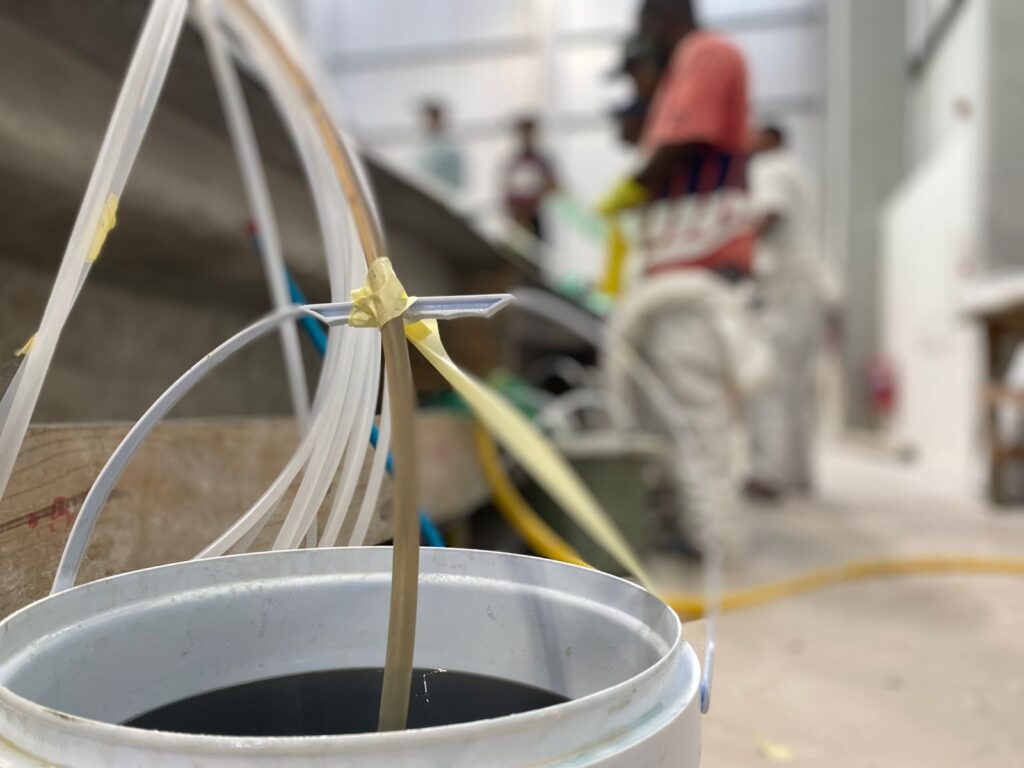
The team has introduced an effective method to clean the infusion pipe connectors between infusion steps, which means that these are 100% reused rather than discarded. This becomes significant when you consider that a large structure, like the bridge section, will typically use over 120 connectors in a single infusion stage.
Resin pipes, T-pieces and injectors are also reused wherever possible, while plastic sheeting from the infusion process is repurposed throughout the yard as mould covers, temporary window protection during fit-out, spray booth lining and protective drop sheets.
These changes reflect a broader shift in our thinking in which we are continually questioning where we can improve, use less, waste less and build more responsibly without compromising the quality of the finished yacht.
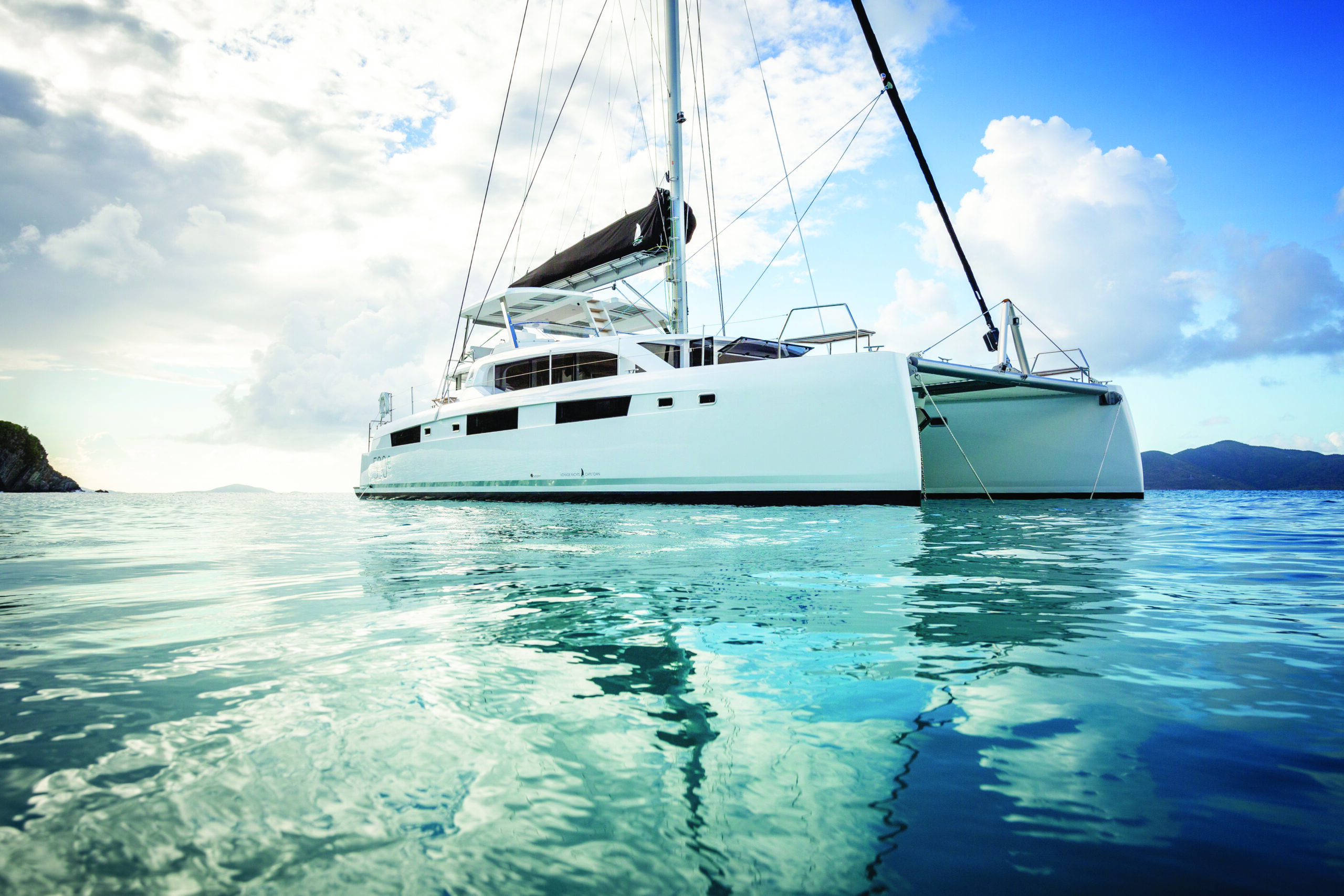
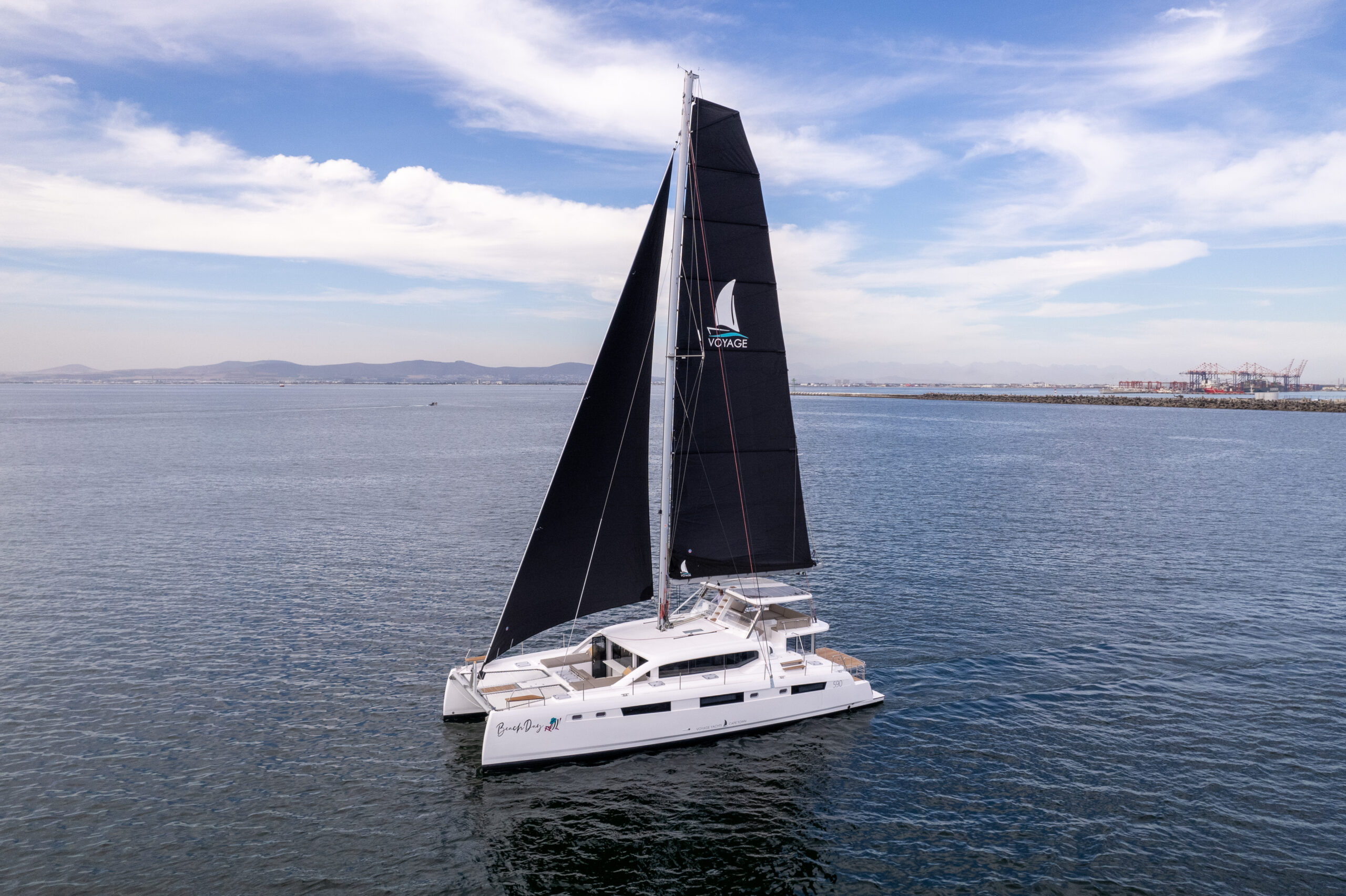
The VOYAGE 590 line is also entering its next chapter, with a phase of rejuvenation moving through the production line.
Hull #18 is scheduled for launch in mid-September 2026 and will be a strong continuation of the VOYAGE 590’s established role as a larger bluewater sailing catamaran platform with proven charter appeal. This hull will be the last hand-laminated construction for the platform.

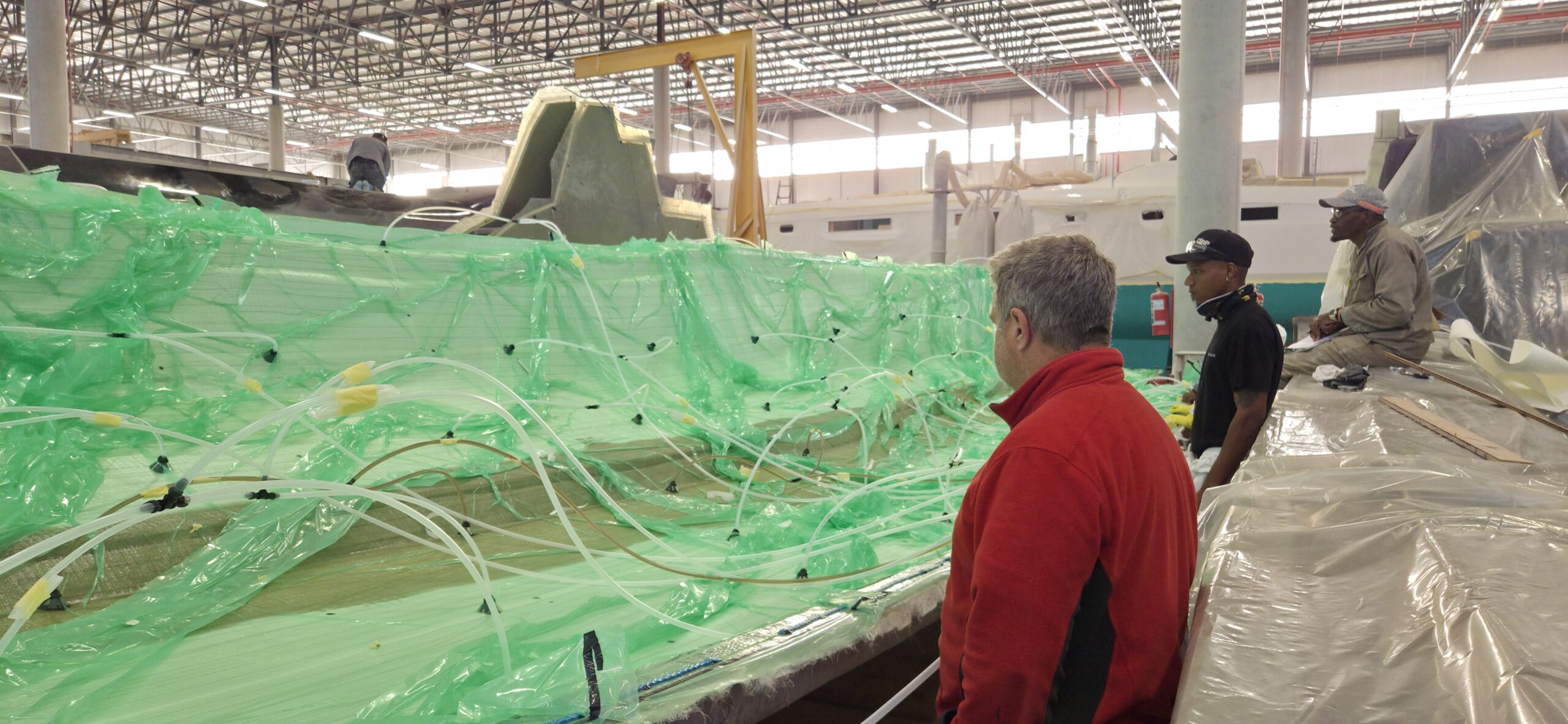
The next major milestone will come with VOYAGE 590 Hull #19, scheduled for launch in May/June 2027. This vessel has already started her existence as the first almost-fully-infused VOYAGE 590 and marks the start of the 190th vessel built by VOYAGE YACHTS.
For a South African yacht builder with a long-standing reputation in bluewater catamaran construction, this is a landmark moment.
Crucially, the VOYAGE 590 is not being replaced or reinvented. It’s being carried forward with the same lessons now shaping the VOYAGE 510. Better process control, improved consistency, more deliberate owner options and a stronger foundation for future builds.
VOYAGE 590 Hill #19 represents the point where more than three decades of production knowledge begins to meet a new composite standard across the range.
Some of the lessons are visible in the VOYAGE 510, with a changed coach roof, a refined aft cockpit, a cruiser navigation station, an alternate interior finish. Others are hidden inside the build itself, with a cleaner and more repeatable build process. Both are shaping the next generation of VOYAGE YACHTS.
After 30 years, we know that a proven design can still evolve. We know that comfort must be practical, and that the confidence offered by a bluewater vessel is built long before she completes a passage.
We also know that a semi-custom catamaran should support the owner’s use of the boat without compromising the integrity of the platform.
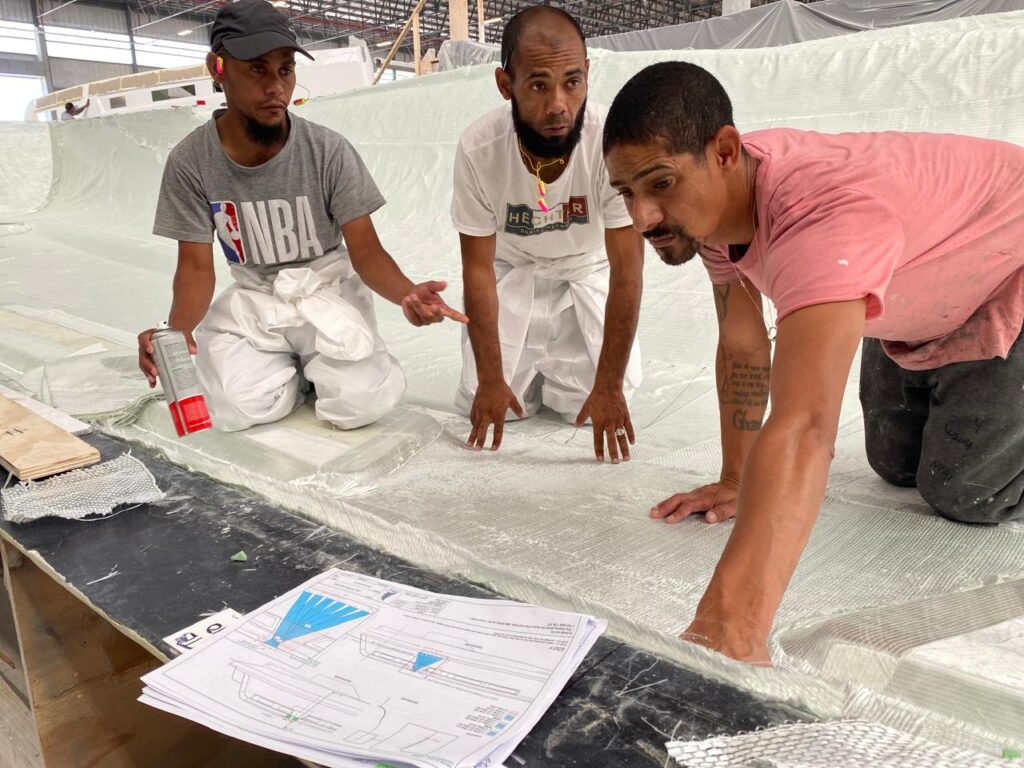
And, possibly most importantly, we know that the progress in boatbuilding is not always loud. It sometimes looks like a team gathered around a mould, or waiting to see what the weight at launch will be.
Sometimes it looks like the 190th vessel quietly marking the beginning of a new production era.
This is what we will continue to share through Inside the Yard: the details, decisions, people and processes shaping the next generation of VOYAGE YACHTS. Follow along to learn more about how the next generation of VOYAGE catamarans is taking shape.
Designed for Adventure. Built to Endure.
Enjoyed this article? Share it on your preferred social media platform:
VOYAGE catamarans are built by VOYAGE YACHTS in Cape Town, South Africa. The company relocated its manufacturing operations from Paarden Island to Montague Gardens in December 2024.
Vacuum infusion is a composite construction process where dry reinforcement materials are placed in the mould, sealed under vacuum and infused with resin in a controlled way. It can help improve laminate consistency and reduce excess resin use.
The VOYAGE 510 build process is moving from a largely hand-laminated composite process to an almost entirely infusion-led build process. This supports improved resin control, laminate consistency and weight management.
The VOYAGE 590 line is being brought into the same production evolution as the VOYAGE 510. VOYAGE 590 Hull #19, scheduled for May 2027, will be the first almost fully infused VOYAGE 590 and the 190th vessel built by VOYAGE YACHTS.
VOYAGE 510 Hull #3 will be the first VOYAGE Yacht built using an almost entirely vacuum infusion-based composite process. A small number of cosmetic liners, the bimini inner layer and smaller modules remain hand-laminated where infusion is not practically justified.
VOYAGE 590 Hull #19 will be the third VOYAGE Yacht built using an almost entirely vacuum infusion-based composite process. This is the first VOYAGE 590 ever built using this approach.